-
by sayum
01 August 2026 2:00 PM







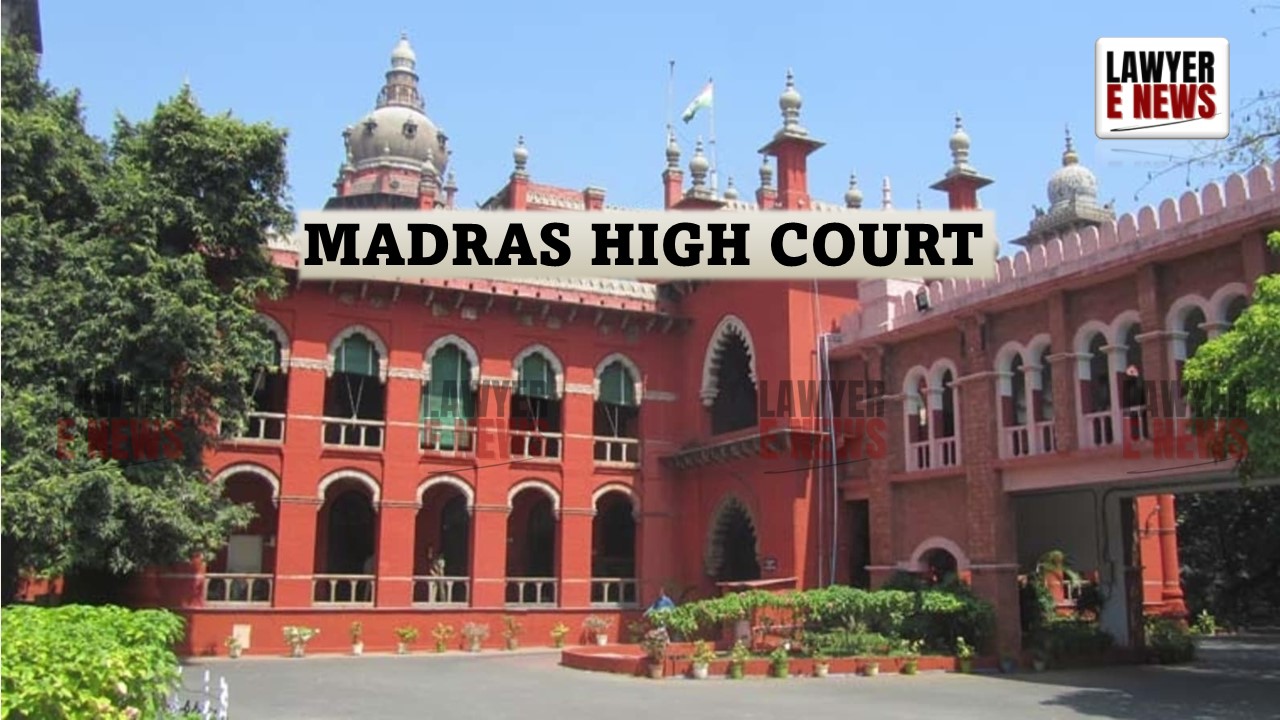
Subheadline: High Court condemns coercive actions by Madurai Bar Association members, upholds judicial respect and proper legal channels for grievances.
The Madras High Court, in a landmark judgment dated April 16, 2024, has addressed the contemptuous actions of two senior members of the Madurai Bar Association. The court emphasized the sanctity of judicial orders and the appropriate conduct expected from legal professionals. This decision reaffirms the judiciary's intolerance for actions that undermine the legal process and highlights the avenues available for lawful redress.
The suo-motu contempt proceedings were initiated following a letter from the Principal District Judge, Madurai, dated July 3, 2015. The letter highlighted resolutions passed by the Madurai Bar Association, which criticized a judicial order by Justice N. Kirubakaran mandating the wearing of helmets by two-wheeler riders in Tamil Nadu. The resolutions, signed by P. Dharmaraj and A.K. Ramasamy, accused the judiciary and government officials of profiting from the helmet mandate and demanded they personally shoulder responsibility for a fatal accident involving a helmeted rider.
The court strongly condemned the actions of the advocates, noting that their conduct was in direct contravention of established legal precedents. "Such coercive actions by members of the Bar, without exhausting the effective alternate remedy, bring disrepute to the legal profession and shake public confidence in the judiciary," the bench observed. The court referenced past Supreme Court rulings that declared strikes and boycotts by lawyers as illegal and detrimental to the administration of justice.
The judgment underscored the expectation that lawyers should uphold the dignity of the legal profession and seek redress through lawful means. "Lawyers holding vakalats on behalf of their clients cannot refuse to attend courts in pursuance of a call for strike or boycott," the court reiterated, citing the Supreme Court's decision in Ex-Capt. Harish Uppal v. Union of India.
Justice M.S. Ramesh stated, "It is the duty of the Bar to protect honest judges and not to ruin their reputation. At the same time, corrupt judges should not be spared, but lawyers cannot go to the streets or go on strike except when democracy itself is in danger and the entire judicial system is at stake."
The court, while acknowledging the involvement of P. Dharmaraj and A.K. Ramasamy in the contemptuous acts, decided not to proceed with further action against them, considering their unconditional apologies and the fact that multiple lawyers participated in the agitation. This judgment serves as a crucial reminder of the responsibilities lawyers have towards the judiciary and the importance of maintaining decorum and respect within the legal profession.
Date of Decision: April 16, 2024