-
by sayum
27 August 2026 7:40 AM







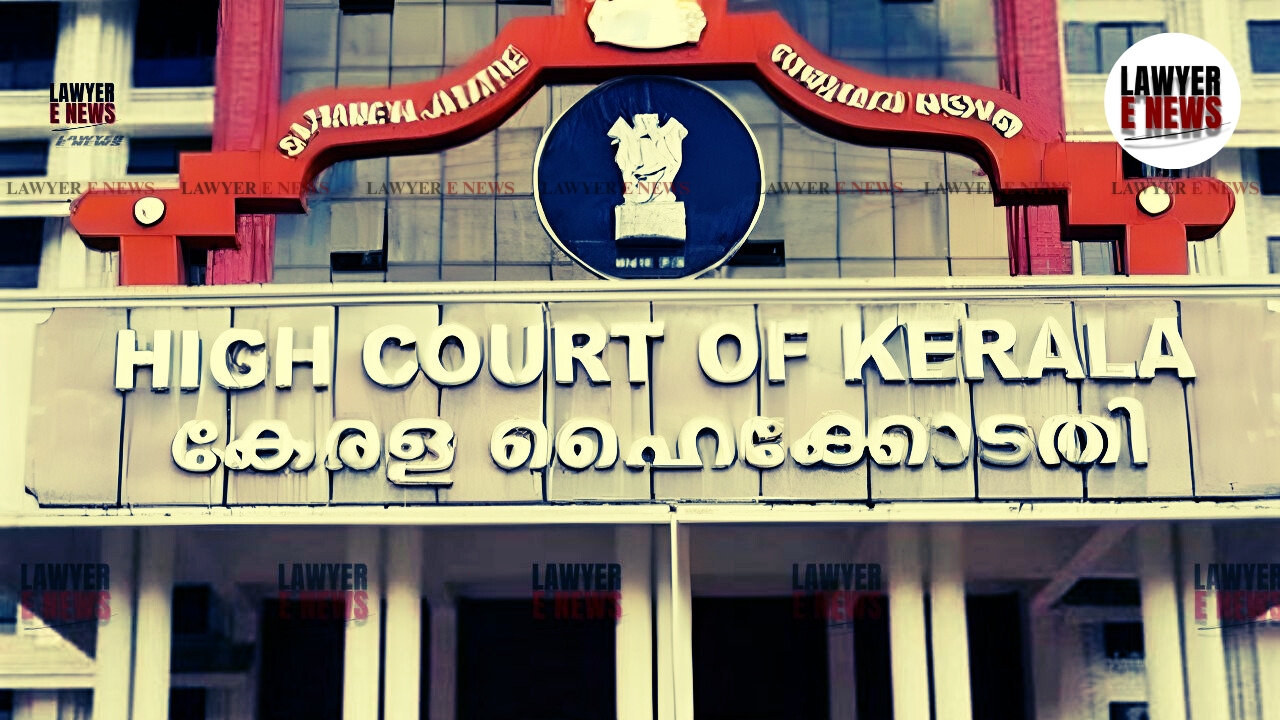
"Equally significant is the Chairman’s obligation to safeguard the flora and fauna of the region and to ensure that no project undertaken compromises the ecological balance of the Periyar Tiger Reserve and the Western Ghats," Kerala High Court, in a significant administrative ruling dated April 7, 2026, appointed former High Court judge Justice Arun V.G. as the new Chairman of the High Power Committee tasked with implementing the Sabarimala Master Plan.
A bench of Justice Raja Vijayaraghavan V and Justice K.V. Jayakumar observed that the appointment was urgently required for the "continued and uninterrupted functioning of the Committee" to ensure that infrastructure development at the hill shrine remains strictly aligned with ecological safeguards.
The suo motu proceedings were initiated following the passing of the former Chairman, Justice S. Siri Jagan, on January 24, 2026, who had been steering the committee since 2017. The High Power Committee was originally constituted by the High Court in 2009 to oversee the phased implementation of a comprehensive Master Plan designed to improve pilgrim infrastructure. The state government and the Travancore Devaswom Board have been working under the guidance of this committee to manage the massive influx of devotees while protecting the region's delicate ecology.
The primary question before the court was the urgent necessity of appointing a new Chairman to ensure the uninterrupted implementation of the ongoing developmental projects at Sabarimala. The court was also called upon to address recent audit findings regarding deviations from the original Master Plan and to harmonize the committee's work with new crowd management strategies necessitated by the challenges of the 2025–26 pilgrimage season.
Urgent Need For Judicial Leadership
The court noted that following the demise of the former chairman, the High Power Committee was unable to effectively carry out its crucial functions. Recognizing the scale of the ongoing works, the bench held that immediate judicial leadership was required to guide the complex infrastructural projects. The court appointed Justice Arun V.G. to take over the mantle, emphasizing that the Chairman's role is "central to and determinative of the entire implementation process."
Sweeping Powers And Duties Of The Chairman
Detailing the massive administrative responsibilities attached to the position, the bench observed that the Chairman is vested with powers to supervise the entire Master Plan's execution. The court noted that the Chairman is empowered to co-opt representatives from the Pollution Control Board and the Public Works Department to resolve inter-departmental bottlenecks. The bench highlighted that the Chairman acts as the "vital link between this Court, the State Government, and the Travancore Devaswom Board."
Mandatory Reporting And Financial Discipline
The court placed a heavy emphasis on accountability and transparency in the utilization of public funds, noting that the government had allocated ₹390.2 Crores toward the project up to the financial year 2025–26. The bench directed that the Chairman bears the responsibility of submitting periodical status reports to the High Court "once every two months, through the learned Advocate General." The Chairman is also tasked with monitoring day-to-day progress, conducting site inspections, and prioritizing projects based on fund availability.
Strict Adherence To Ecological Preservation
Addressing the environmental sensitivity of the Sabarimala shrine, the court made it clear that infrastructural development cannot come at the cost of nature. The bench explicitly stated that the Chairman carries a non-negotiable obligation to ensure that no developmental project jeopardizes the fragile ecology of the surrounding forest reserves. The court mandated the strict protection of the region's flora and fauna throughout the construction phases.
"We concur with the audit findings that, in the absence of such structured action plans and DPRs, developmental activities may deviate from the projects originally envisaged under the Master Plan."
Audit Findings And Deviations From The Master Plan
The court expressed concern over recent audit reports which indicated that certain ongoing projects were not aligned with the original framework approved in 2007. The bench observed that the crucial disaster management component envisaged under the Master Plan had not yet been implemented. To rectify this, the court held that a time-bound action plan based on the preparation of Detailed Project Reports (DPRs) was absolutely imperative to prevent further deviations.
Crowd Management And Avoiding Administrative Overlap
Taking judicial notice of the severe crowd management challenges faced during the 2025–26 Mandala-Makaravilakku season, the court directed the High Power Committee to integrate new institutional frameworks into their planning. The bench instructed the committee to examine various operational aspects, including virtual queue systems, traffic management, sanitation, medical services, and personnel training. The court requested the committee to take appropriate decisions to "ensure that there is no duplication or overlap of functions" among various stakeholders.
The court closed the suo motu proceedings with a clear mandate for Justice Arun V.G. to immediately assume control of the High Power Committee's operations. The ruling ensures that the massive infrastructural upgrades at Sabarimala will proceed under strict, uninterrupted judicial oversight, carefully balancing the logistical needs of millions of pilgrims with the absolute necessity of environmental conservation.
Date of Decision: 07 April 2026