Auction Purchaser Has No Vested Right Without Sale Confirmation: Calcutta HC Upholds Borrower’s Redemption Right Under Pre-Amendment SARFAESI Law Mere Breach of Promise to Marry Doesn’t Amount to Rape: Delhi High Court Acquits Man in False Rape Case Father Is the Natural Guardian After Mother’s Death, Mere Technicalities Cannot Override Welfare of Child: Orissa High Court Restores Custody to Biological Father Assets of Wife and Father-in-Law Can Be Considered in Disproportionate Assets Case Against Public Servant: Kerala High Court Refuses Discharge Identification Without TIP, Electronic Records Without 65B Certificate – Conviction Set Aside: Patna High Court Nothing Inflicts A Deeper Wound On Our Constitutional Culture Than A State Official Running Berserk Regardless Of Human Rights: Jharkhand High Court Orders ₹1.5 Lakh Interim Compensation Dishonour Due to ‘Account Blocked’ Not Attributable to Drawer—No Offence Under Section 138 NI Act: Delhi High Court Quashes Criminal Proceedings Presumption Under Section 139 NI Act Cannot Be Rebutted By Mere Assertions: Delhi High Court Affirms Conviction In 32-Year-Old Cheque Bounce Case Signature Alone Doesn’t Prove Debt: Kerala High Court Upholds Acquittal in Cheque Bounce Case, Rejects Blanket Presumption Under Section 139 NI Act Justice Cannot Be Left to Guesswork: Supreme Court Mandates Structured Judgments in Criminal Trials Across India Truth Must Be Proven Beyond Doubt—Not Built On Flawed FIRs, Tainted Witnesses And Investigative Gaps: Supreme Court Acquits Man in POCSO Rape-Murder Case Once parties agree and reconciliation is impossible, a fault-based decree is unnecessary: Supreme Court Sets Aside Divorce on Desertion No Escape from Statutory Ceiling: Exclusive Expenditure by Foreign Head Offices Also Attracts Section 44C Income Tax: Supreme Court Loss Of A Child Cannot Be Calculated In Rupees, But Law Must At Least Offer Dignity In Compensation: Supreme Court Enhances Compensation Sessions Court Cannot Direct Life Imprisonment Till Natural Life Without Remission: Supreme Court Reasserts Limits on Sentencing Powers of Subordinate Courts ‘Continuously Means Without a Single Break’: Supreme Court Bars Expired-and-Renewed Licences From Police Driver Recruitment Chief Justice’s Power Under Section 51(3) Is Independent and Continuing: Supreme Court Upholds Kolhapur Bench Notification Last Seen Evidence Alone Cannot Sustain Conviction: Supreme Court Acquits Accused in Murder Case No Cultivation on Forest Land Without Central Clearance: Supreme Court Cancels Lease Over 134 Acres, Orders Reforestation Appointment from Rank List Must Respect Communal Rotation: SC Declines Claim of SC Waitlisted Candidate After Resignation of Appointee Supreme Court Dissolves 20-Year Estranged Marriage Under Article 142 Despite Wife’s Objection Murder Inside Temple Cannot Be Treated Lightly: Supreme Court Cancels Bail of Father-Son Convicts in Group Killing Case

Insufficient Evidence to Support Criminal Intimidation Charges: Kerala High Court Quashes Proceedings Against Accused No. 2

01 March 2025 1:42 PM

By: sayum


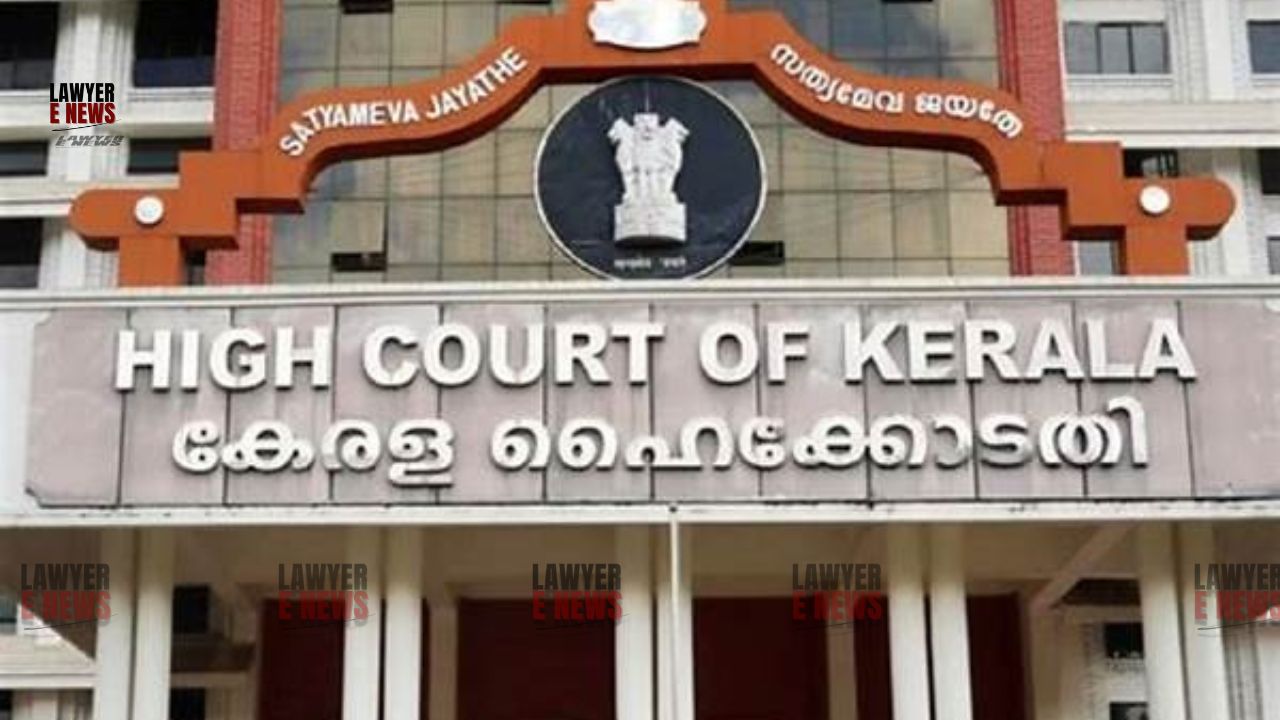
The Kerala High Court quashed the criminal proceedings against Ramlath, the second accused in a case of criminal intimidation and related charges. The judgment delivered by Justice A. Badharudeen emphasized the insufficiency of evidence to support the allegations against the petitioner, leading to the dismissal of charges under Section 506 IPC among others.

The case originated from Crime No. 1191/2019 registered at Panangad Police Station, Ernakulam. The First Information Statement (FIS) by the de facto complainant led to the filing of charges under Sections 366, 354(D)(1), 354, and 506 read with Section 34 of the Indian Penal Code (IPC) against accused Nos. 1 and 2. The petitioner, Ramlath, was accused of threatening the complainant to marry her brother, the first accused, who allegedly attempted to forcefully marry the complainant.

Insufficiency of Evidence: Justice Badharudeen, after reviewing the documents and hearing arguments, noted that the initial statement made by the de facto complainant mentioned a threat by the petitioner on September 28, 2019, with the actual abduction attempt by the first accused occurring on December 11, 2019. The court found a significant time gap between these incidents, undermining the continuity and credibility of the threat.

The court examined the legal requirements for criminal intimidation under Section 503 IPC, which necessitates a threat to cause injury to person, reputation, or property, intended to alarm the victim. Justice Badharudeen observed, "The statement against the petitioner, although framed as a threat, does not satisfy the legal criteria for criminal intimidation as per Section 503 IPC."

Justice Badharudeen remarked, "The ingredients to attract the offence under Section 506 IPC are not met in this case. The alleged threat, given the context and timing, does not constitute a legally cognizable offence of criminal intimidation."

The Kerala High Court's decision to quash the proceedings against the second accused underscores the judiciary's commitment to upholding the principle of sufficiency of evidence in criminal prosecutions. The judgment directs the trial court to proceed with the trial against the first accused, while clearing the petitioner of any criminal liability in the matter.

Date of Decision: May 24, 2024

Latest Legal News