-
by sayum
27 August 2026 7:40 AM







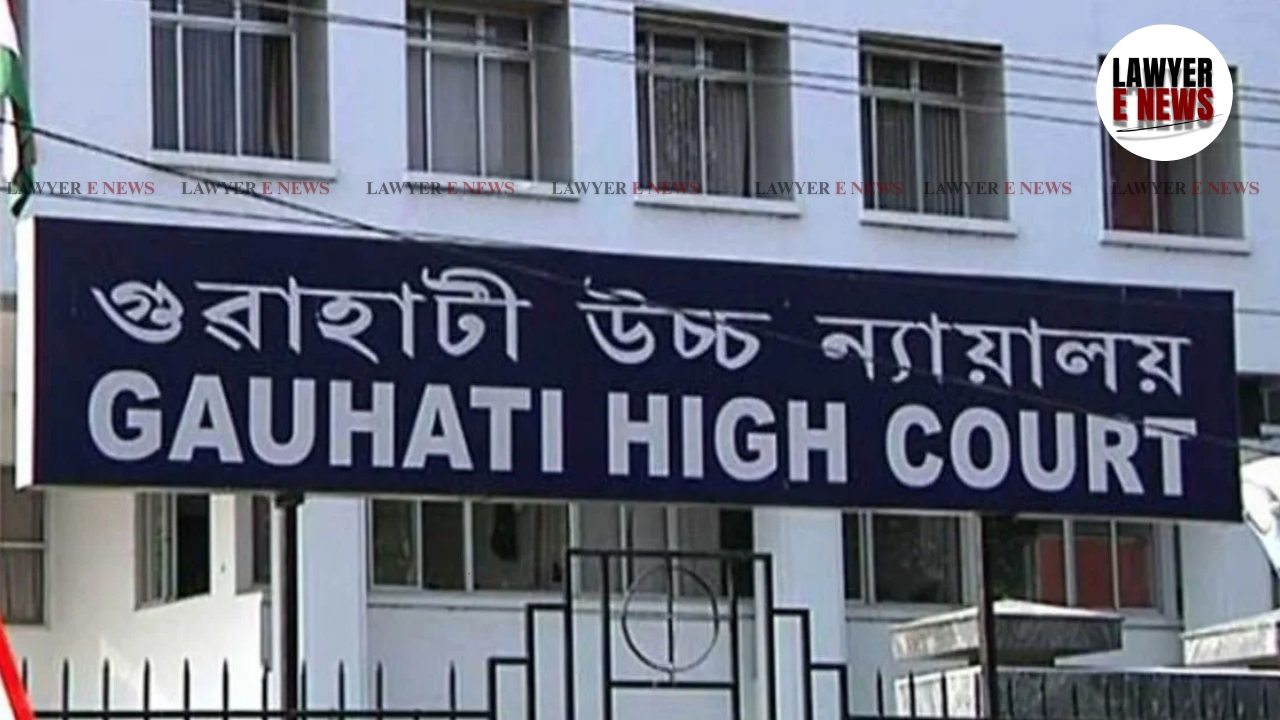
"All findings observations and/or recommendations so made by the Commission in the Report, 2013 and Report, 2014 touching upon the conduct and reputation of the Petitioners prejudicially cannot be used against the Petitioners in any Forum and are rendered nonest as it violates Section 8B and Section 8C of the Act of 1952." Gauhati High Court, in a significant ruling, held that findings of a Commission of Inquiry cannot be used to initiate disciplinary proceedings if the mandatory statutory rights of the affected persons to adduce evidence and cross-examine witnesses are violated.
A bench of Justice Devashis Baruah observed that denying the rights under Sections 8B and 8C of the Commissions of Inquiry Act, 1952 renders the findings "nonest" against such persons, while dealing with a batch of cases related to the Assam Public Service Commission (APSC) examination scam.
The batch of writ petitions was filed by government servants selected through the APSC’s Combined Competitive Examinations of 2013 and 2014. They challenged the departmental proceedings initiated against them based on the reports of a One-Man Commission of Inquiry, which alleged widespread anomalies and malpractices in the selection process. The petitioners contended that the Commission arrived at its findings without affording them their statutory rights to defend themselves, rendering the reports legally void against them.
The primary question before the court was whether the One-Man Commission violated the rights of the petitioners under Sections 8B and 8C of the Commissions of Inquiry Act, 1952. The court was also called upon to determine whether the impugned disciplinary proceedings could continue based on the Commission's reports, and whether the consequent suspension orders required judicial interference.
Mandatory Safeguards Under The Act
The court embarked on a detailed analysis of Sections 8B and 8C of the Commissions of Inquiry Act, 1952. The bench observed that Section 8B is triggered the moment the Commission considers it necessary to inquire into the conduct of any person or is of the opinion that their reputation is likely to be prejudicially affected. The court noted that once these conditions are met, the person automatically becomes entitled to a reasonable opportunity of being heard.
Right To Adduce Evidence Is Fundamental
Elaborating on the procedural safeguards, the bench held that Section 8C exemplifies the "reasonable opportunity" phrase used in Section 8B. The court emphasized that these rights include the right to adduce defence evidence, cross-examine witnesses, and be represented by a legal practitioner. The court stressed that these rights are built into the statutory mechanism and are not conditional upon the person proactively seeking permission to exercise them.
Commission Failed To Follow Statutory Procedure
Turning to the facts of the APSC scam inquiry, the court noted that the One-Man Commission merely issued notices calling for written responses from the petitioners. The bench found that the Commission completely failed to inform the petitioners when evidence was being recorded against them by other participants. The court categorically held that the notices issued were at best under Rule 5(2)(a) of the Rules of 1972 and not under the mandatory Section 8B.
"The Commission while holding the inquiries either failed to take notice of the provisions of Sections 8B and 8C of the Act of 1952 or had given a clear go by to the said provision," the court observed.
Evidentiary Sequence Cannot Be Inverted
Relying on the Supreme Court's precedent in Kiran Bedi vs. Committee of Inquiry, the court highlighted that a person whose conduct is being inquired into cannot be asked to produce defence evidence at the very inception of the inquiry. The bench observed that doing so would reduce the right of cross-examination to a mere formality. The proper procedure dictates that evidence against the person must be adduced first, followed by cross-examination and defence evidence.
Commission Reports Rendered Non-Est
Because the Commission deprived the petitioners of their statutory protections, the court declared the findings pertaining to them as legally invalid. The bench held that the findings in the 2013 and 2014 Reports touching upon the conduct and reputation of the petitioners prejudicially cannot be used against them in any forum. However, applying the doctrine of severability, the court declined to quash the reports in their entirety, noting they contained valuable public-interest recommendations for future examinations.
Disciplinary Proceedings Cannot Rely On Reports
Addressing the departmental action, the court noted that the show-cause notices and statements of allegations were explicitly based on the vitiated Commission reports. Consequently, the court struck off the paragraphs relying on the reports. The bench clarified that while the State has an inherent right to proceed with disciplinary action, it must do so strictly on materials de hors (outside) the Commission's findings.
"The Respondent State/Disciplinary Authority shall proceed with the Disciplinary proceedings without relying and/or referring to any observation, finding and/or recommendations made by the Commission which touches upon the conduct and reputation of the Petitioners."
State Given 45 Days To Present Independent Material
The court granted the State 45 days to introduce additional documents or a new list of witnesses independent of the inquiry reports. The bench specified that the disciplinary proceedings would remain stalled during this period. The court further granted liberty to the State to completely drop the current proceedings and initiate fresh ones, provided no reliance is placed on the impugned reports.
Protracted Suspensions Violate Article 21
Finally, the court examined the validity of the prolonged suspension orders issued to the petitioners. While upholding the initial suspensions under the Assam Services (Discipline and Appeal) Rules, 1964 due to pending criminal trials, the bench strongly cautioned against keeping employees in indefinite suspension. The court directed the authorities to conduct periodical reviews within 45 days to determine if continued suspension was justified in the public interest, failing which the suspensions would become invalid.
The Gauhati High Court disposed of the batch of writ petitions by declaring the One-Man Commission's findings against the petitioners as non-est and barring their use in disciplinary proceedings. The court upheld the suspension orders subject to a mandatory periodic review by the State within 45 days, effectively balancing the State's administrative rights to pursue corruption charges with the employees' fundamental statutory safeguards.
Date of Decision: 01 April 2026