State Can’t Block SARFAESI Sale by Late Revenue Entries: Secured Creditor’s Charge Prevails Over Tax Dues: Punjab & Haryana High Court Slams Sub-Registrar’s Refusal Providing SIM Card Without Knowledge of Its Criminal Use Does Not Imply Criminal Conspiracy: P&H High Court Grants Bail in UAPA & Murder Case Importer Who Accepts Enhanced Valuation Cannot Later Contest Confiscation and Penalty for Undervaluation: Madras High Court Upholds Strict Liability under Customs Act "Allegations Are Not Proof: Madras High Court Refuses Divorce Without Substantiated Cruelty or Desertion" When FIR Is Filed After Consulting Political Leaders, the Possibility of Coloured Version Cannot Be Ruled Out: Kerala High Court Mere Allegations of Antecedents Without Conviction Can't Defeat Right to Anticipatory Bail: Kerala High Court Section 106 Of Evidence Act Cannot Be Invoked In Vacuum – Prosecution Must First Lay Foundational Facts: Karnataka High Court Acquits Wife And Co-Accused In Husband’s Murder Case Parity Cannot Be Claimed When Roles Are Different: Karnataka High Court Refuses Bail to Youth Accused of Brutal Killing Injured Wife Would Not Falsely Implicate Her Husband: Gauhati High Court Upholds Conviction in Domestic Stabbing Case Disputed Bids, Missing Evidence and No Prejudice: Delhi High Court Refuses to Intervene in Tender Challenge under Article 226 Marriage Cannot Be Perpetuated on Paper When Cohabitation Has Ceased for Decades: Supreme Court Invokes Article 142 to Grant Divorce Despite Wife’s Opposition Ownership of Trucks Does Not Mean Windfall Compensation: Supreme Court Slashes Inflated Motor Accident Award in Absence of Documentary Proof Concealment of Mortgage Is Fraud, Not a Technical Omission: Supreme Court Restores Refund Decree, Slams High Court’s Remand State Reorganization Does Not Automatically Convert Cooperative Societies into Multi-State Entities: Supreme Court Rejects Blanket Interpretation of Section 103 Indian Courts Cannot Invalidate Foreign Arbitral Awards Passed Under Foreign Law: Madhya Pradesh High Court Enforces Texas-Based Award Despite Commercial Court’s Contrary Decree Sudden Quarrel over Mound of Earth — Not Murder but Culpable Homicide: Allahabad High Court Eligibility Flows from Birth, Not a Certificate Date: Delhi High Court Strikes Down Rule Fixing Arbitrary Cut-Off for OBC-NCL Certificates in CAPF (AC) Recruitment Bar Under Order II Rule 2 CPC Cannot Be Invoked Where Specific Performance Was Legally Premature Due To Statutory Impediments: P&H High Court Once a Court Declares a Department an Industry Under Section 2(j), State Cannot Raise the Same Objection Again: Gujarat High Court Slams Repetitive Litigation by Irrigation Department “How Could Cheques Issued in 2020 Be Mentioned in a 2019 Contract?”: Delhi High Court Grants Injunction in Forged MOA Case, Slams Prima Facie Fabrication

In the Absence of Formal Notice, Arbitration Cannot be Invoked: Andhra Pradesh High Court

07 May 2024 8:19 AM

By: Admin


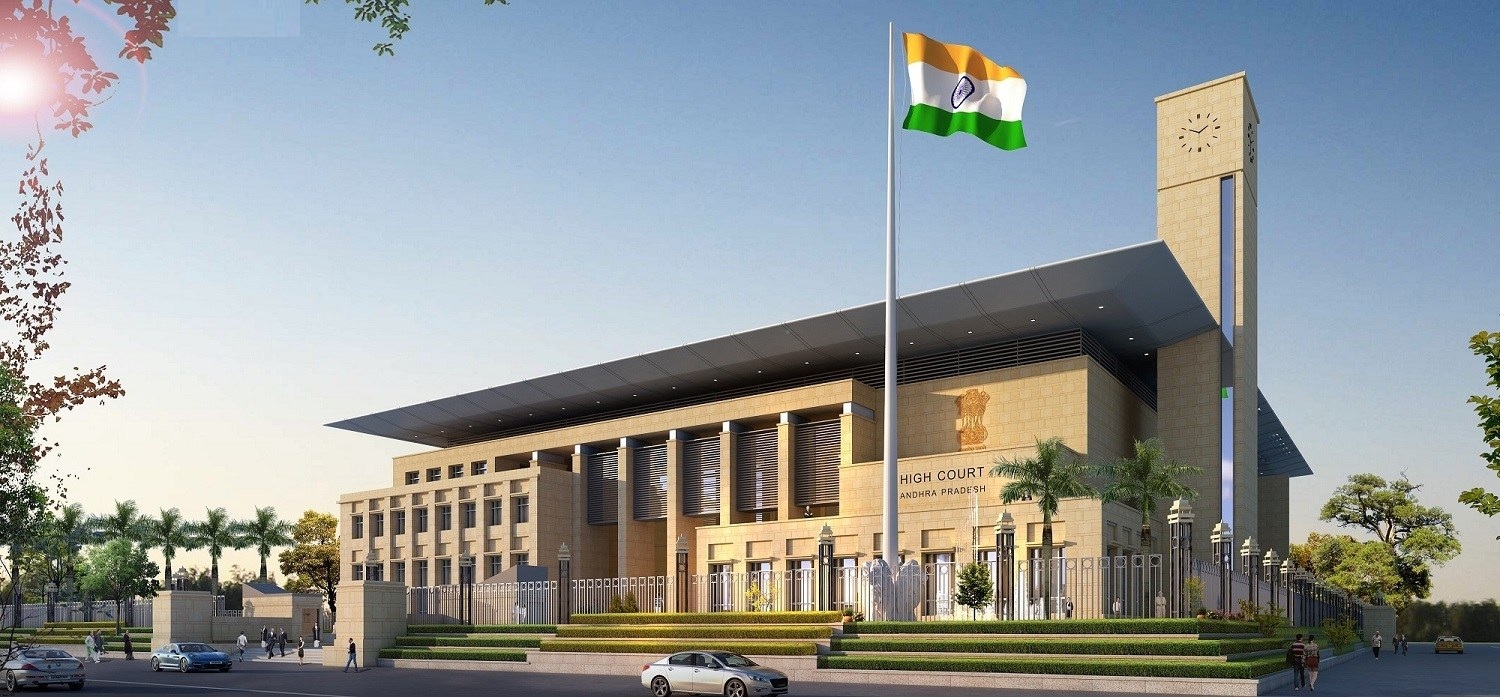
In a significant ruling on the procedural requisites for initiating arbitration, the High Court of Andhra Pradesh dismissed an arbitration application due to non-compliance with the formal notice requirements stipulated under the Arbitration and Conciliation Act, 1996.

Legal Point: The court’s decision centered on the application under Section 11(6) of the Arbitration and Conciliation Act, emphasizing the necessity of fulfilling contractual obligations for notice before arbitration can be rightfully invoked.

Facts and Issues: M/s Shree Swaminarayan Travels sought to resolve disputes arising from a transportation services contract with Oil Natural Gas Corporation Limited (ONGC), claiming dues amounting to over 65 lakh rupees. The applicant argued that despite reaching out for dispute resolution through an Outside Expert Committee, no formal arbitration notice was issued as per the contractual agreement following the 60-day dispute notice period, leading to their application for appointing an independent arbitrator.

Contractual Compliance: Justice Dhiraj Singh Thakur emphasized the contractual requirement that an arbitration clause can only be invoked after issuing a formal notice upon the expiry of the 60-day dispute period as per the agreement. “The conditions of the agreement clearly necessitated a formal notice for invoking arbitration which was unfortunately overlooked,” observed the Chief Justice.

Procedural Integrity: The court highlighted that adherence to the agreed dispute resolution mechanism is paramount. “Parties are bound by the terms they have agreed upon, and courts expect strict compliance before judicial intervention is considered,” Justice Thakur added.

Legal Precedents: Referencing the case of Bharat Sanchar Nigam Ltd v. M/S Nortel Networks India Pvt. Ltd., the court reiterated that the application under Section 11 can only proceed once it is established that the arbitration notice has been properly served and there was a failure in appointment as per the arbitration clause.

Decision: The High Court dismissed the application for the appointment of an arbitrator, citing the absence of a formal notice as fatal to the applicant’s plea. The applicant was granted liberty to re-apply following the correct procedural format as outlined in their contract.

Date of Decision: May 10, 2024

M/s Shree Swaminarayan Travels vs. M/s Oil Natural Gas Corporation Limited

Latest Legal News