Electricity Act 2003 | Section 56(2) Does Not Preclude Licensee From Raising Supplementary Demand After Two Years; Only Restricts Right To Disconnect: Supreme Court Dissolution Of Partnership At Will | Outgoing Partner Entitled To Market Value Of Assets As On Date Of Distribution, Not Date Of Dissolution: Supreme Court SEBI | Release Of Escrow Under Buyback Regulations Does Not Preclude Independent Inquiry Into Fraud Under PFUTP Regulations: Supreme Court Promotion Based On Merit Does Not Wipe Out Past Adverse Records But Must Be Balanced In FR 56(j) Compulsory Retirement: Supreme Court Appellate Court Can Convict For Offence Even If Charge Not Framed By Trial Court Under Section 464 CrPC: Supreme Court Extradition | Sovereign Assurance Does Not Override Judicial Sentencing; Cannot Be Used To Artificially Accelerate Sentence Completion: Supreme Court Article 21 | State Has A Positive Duty To Protect Public Health By Implementing Front-Of-Package Labelling Regulations: Supreme Court Revenue Entries Are Not Documents Of Title, Cannot Replace Substantive Evidence In Property Disputes: Supreme Court Long Possession Without Hostile Animus Does Not Amount To Adverse Possession: Supreme Court Administrative Discretion Must Comply With Article 14; Subsequent Executive Decisions Cannot Retroactively Cure Failure Of Timely Performance: Supreme Court Municipal Corporation Cannot Unilaterally Downgrade Market Value Of Land Acquired For Road Widening To Deny TDR Certificates: Andhra Pradesh High Court Execution Of Agreement To Sell Does Not Automatically Terminate Existing Tenancy: Allahabad High Court Writ Jurisdiction Not Maintainable When Title To Property Is Under A Cloud And Subject Matter Of Disputed Facts: Andhra Pradesh High Court Amendment Of Plaint Seeking Impleadment Of Third Parties And Addition Of Time-Barred Claims In A Partition Suit Cannot Be Permitted: Bombay High Court Reassessment Order Does Not Result In Merger Of Original Assessment Order If Issues Are Distinct: Andhra Pradesh High Court GST Assessment Order Uploaded Only Under 'Additional Notices' Tab Without Separate Intimation Violates Principles Of Natural Justice: Calcutta High Court 'Prolonged Inaction' Cannot Be Rewarded: Delhi High Court Upholds CESTAT Refusal To Condone 968-Day Delay In Filing Customs Appeal Probate No Longer Mandatory To Establish Rights Under A Will Following 2025 Amendment To Indian Succession Act: J&K High Court Review Jurisdiction Cannot Be Used To Introduce New Factual Foundations Or Reopen Concluded Arbitral Awards: Karnataka High Court High Court Cannot Invoke Article 227 To Strike Off Plaint When Statutory Remedy Under Order VII Rule 11 CPC Is Available: Madras High Court Section 58 BNSS | Detention Beyond 24 Hours Without Magistrate’s Authority Vitiates Arrest And Subsequent Remand: Orissa High Court Arbitrator Is The Sole Judge Of Quality And Quantity Of Evidence, Court Cannot Act As Court Of Appeal: Punjab & Haryana High Court Section 5 Limitation Act | Court Cannot Condone Delay In A Mechanical Manner Without Ascertaining Bona Fides Of The Applicant: Calcutta High Court High Court Cannot Quash FIR Under Section 482 CrPC By Conducting Mini-Trial On Merits: Punjab & Haryana High Court Taxation Law | Mere Assertion Of Natural Justice Violation On Disputed Facts Won't Bypass Statutory Appeal: Delhi High Court

High Court Orders Vigilant Enforcement Against Social Boycott : No Place in a Civilized Society

07 May 2024 8:19 AM

By: Admin


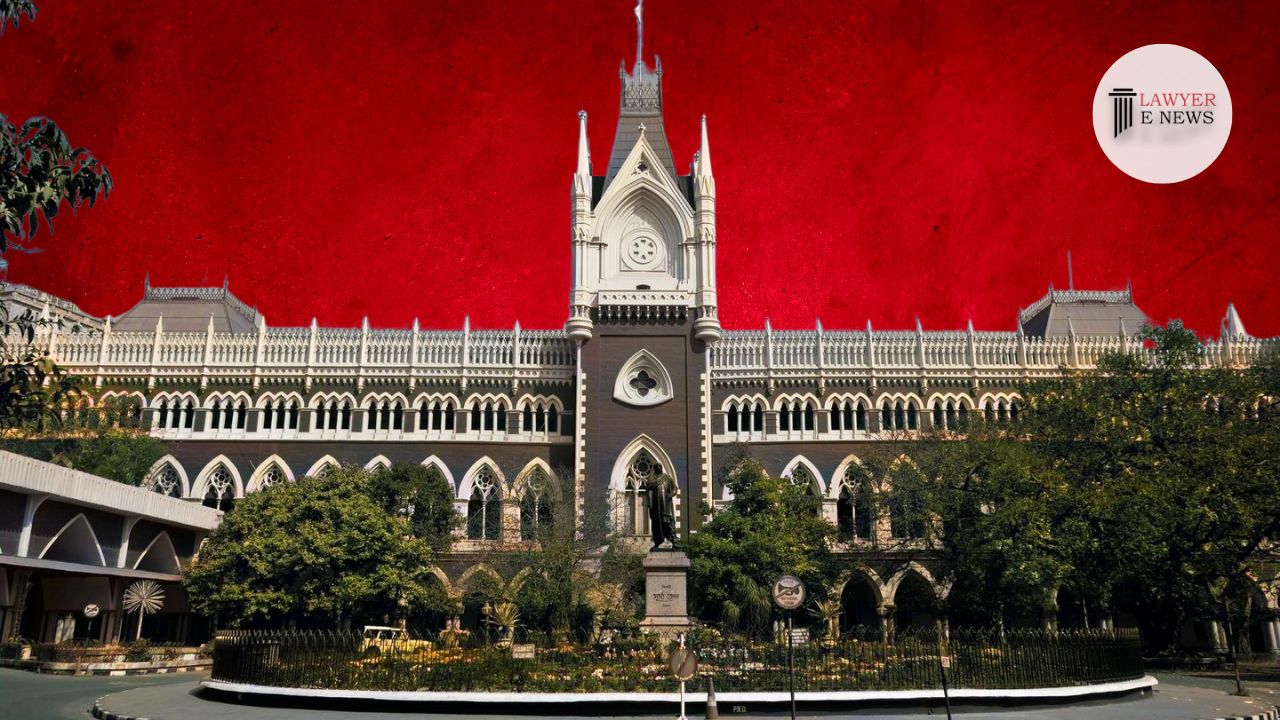
High Court at Calcutta, presided over by Justice Jay Sengupta, issued a stern directive in W.P.A. 11715 of 2023, emphasizing the need for vigilant law enforcement in matters of social boycott and property disputes.

The case revolved around a property owner, represented by Mr. Somnath Mukherjee, who faced severe disturbances and a social boycott from private respondents. The dispute originated from objections raised by the petitioner against an illegally constructed temple in front of their property. Despite obtaining an injunction order from the Civil Court, the petitioner’s grievances persisted due to non-compliance by the private respondents.

In his observation, Justice Sengupta stated, “Any social boycott of a citizen or his family member has to be dealt with strictly by the Administration. This has no place in a civilized society.” This statement underlines the court’s firm stance against the archaic practice of social boycotts, highlighting the importance of upholding civil liberties in modern society.

The court further instructed the respondent police authorities to ensure peace and order in the area, mandating frequent patrols and vigilance. This directive comes as a response to the initiation of proceedings under Section 107 of the Code by the State, represented by Mr. Amritlal Chatterjee, following the petitioner’s complaint.

The ruling sets a precedent for handling similar cases where the enforcement of civil court orders is crucial. The High Court’s decision to dispose of the writ petition with specific observations for the police to act vigilantly in such matters reflects the judiciary’s active role in safeguarding citizen rights and maintaining social order.

The decision was warmly received by legal experts and civil society activists, who view it as a progressive step towards ensuring justice in complex social and legal disputes. The court’s emphasis on the administration’s duty to address social boycotts and its impact on the fabric of a civilized society has been particularly noted as a significant judicial observation in recent times.

Date of Decision;27th December 2023

Sri Ranajit Mondal  VS   The State of West Bengal & Ors.

 

Latest Legal News