Employees Cannot Pick Favourable Terms and Reject the Rest: Bombay High Court Upholds SIDBI’s Cut-Off Date for Pension to CPF Optees Rules of the Game Were Never Changed: Delhi High Court Upholds CSIR’s Power to Prescribe Minimum Threshold in CASE-2023 Resignation Does Not Forfeit Earned Pension: Calcutta High Court Declares Company Superannuation Benefit as ‘Wages’ Under Law Fraud Vitiates Everything—Stranger Can File Independent Suit Against Compromise Decree: Bombay High Court Refuses to Reject 49-Year-Old Challenge at Threshold Mere Long Possession By One Co-Owner Does Not Destroy The Co-Ownership Right Of The Other: Madras High Court State Cannot Hide Behind An Illegal Undertaking: Punjab & Haryana High Court Questions Denial Of Retrospective Regularization Article 21-A Cannot Be Held Hostage to Transfer Preferences: Allahabad High Court Upholds Teacher Redeployment to Enforce Pupil–Teacher Ratio Arbitrator Cannot Rewrite Contract Or Travel Beyond Pleadings: Punjab & Haryana High Court Quashes ₹5.18 Crore Award Director’ in GeM Clause 29 Does Not Mean ‘Independent Director’: Gujarat High Court Sets Aside Technical Disqualification Section 25(3) Is Sacrosanct – Removal of a Trademark Cannot Rest on a Defective Notice: Delhi High Court Not Every Broken Promise Is Rape: Delhi High Court Draws Clear Line Between ‘Suspicion’ and ‘Grave Suspicion’ in False Promise to Marry Case Section 37 Is Not A Second Appeal On Merits: Delhi High Court Refuses To Re-Appreciate Evidence In Challenge To Arbitral Award Recovery After Retirement Is Clearly Impermissible: Bombay High Court Shields Retired Teacher From ₹2.80 Lakh Salary Recovery Paying Tax Does Not Legalise Illegality: Bombay High Court Refuses to Shield Alleged Unauthorized Structure Beneficial Pension Scheme Cannot Be Defeated By Cut-Off Dates: Andhra Pradesh High Court Directs EPFO To Follow Sunil Kumar B. Guidelines On Higher Pension Claims Equity Aids the Vigilant, Not Those Who Sleep Over Their Rights: Punjab & Haryana High Court Refuses to Revive 36-Year-Old Pay Parity Claim Students Cannot Be Penalised For Legislative Invalidity: Supreme Court Protects Degrees Granted Before 2005 Yash Pal Verdict Restructuring Without Fulfilment of Conditions Cannot Defeat Insolvency: Supreme Court Reaffirms Default as the Sole Trigger Under Section 7 IBC Section 100-A CPC Slams The Door On Intra-Court Appeals In RERA Matters”: Allahabad High Court Declares Special Appeal Not Maintainable Mental Distance Between ‘May Be’ and ‘Must Be’ Is Long: Patna High Court Acquits Six in Murder Case Built on Broken Chain of Circumstances Where Corruption Takes Roots, Rule of Law Is Replaced by Rule of Transaction: Punjab & Haryana High Court Denies Bail to DIG Harcharan Singh Bhullar Mere Voter List and Corrected SSC Certificate Cannot Prove Paternity: Andhra Pradesh High Court Rejects 21-Year-Old Bid for DNA Test in Partition Appeal Section 147 NI Act Makes Offence Compoundable At Any Stage: Karnataka High Court Sets Aside Concurrent Convictions in Cheque Bounce Case After Settlement Bald Allegations of Adultery Based on Suspicion Cannot Dissolve a Marriage: Jharkhand High Court Once a Document Is Admitted in Evidence, Its Stamp Defect Cannot Be Reopened: Madras High Court

Grant Immediate Release to Long-term Convict: Guidelines Must Not Crush Reformative Potential: Supreme Court

07 May 2024 8:19 AM

By: Admin


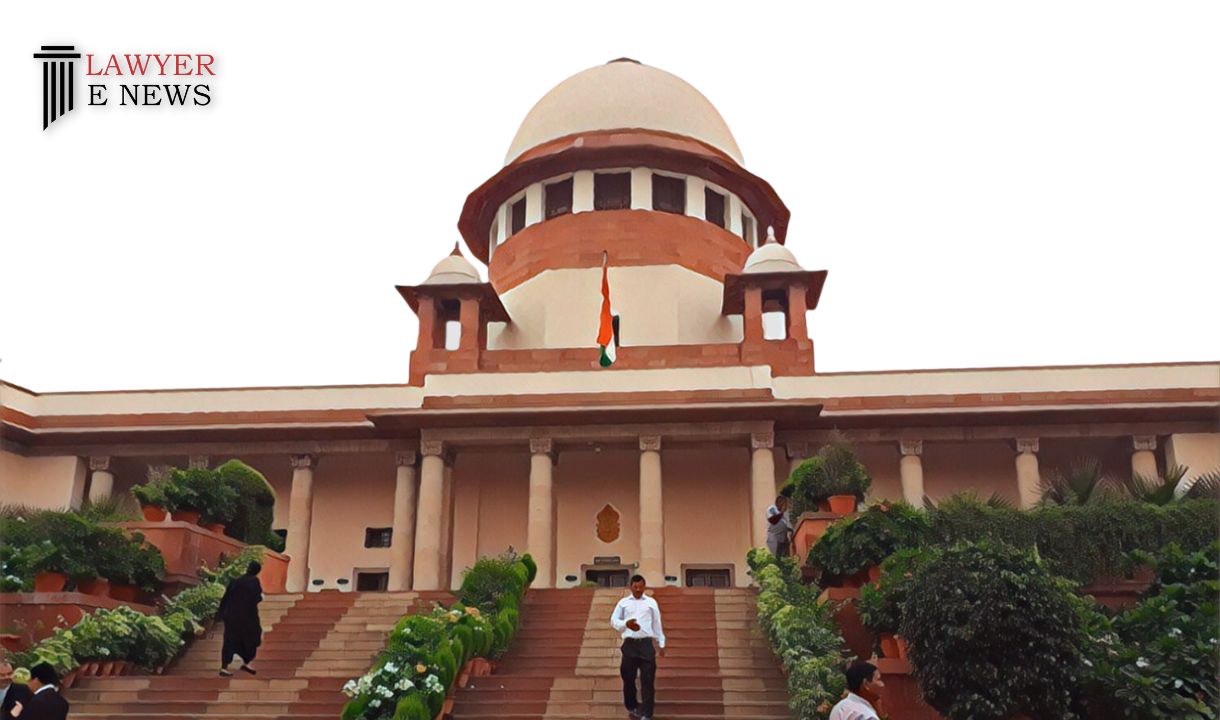
In a groundbreaking judgment handed down on September 21, 2023, by a bench comprising Justice S. Ravindra Bhat and Justice Dipankar Datta, a long-term convict was granted immediate release. The judgment, which has far-reaching implications for the Indian criminal justice system, emphasized the importance of not allowing guidelines to crush the reformative potential of inmates.

The court's decision came in response to a writ petition filed by the convict, who had already spent over 26 years in prison, including 8 years of remission. The petitioner's case prompted a detailed examination of statutory provisions, rules, and government guidelines related to premature release, remission, and the exercise of statutory discretion.

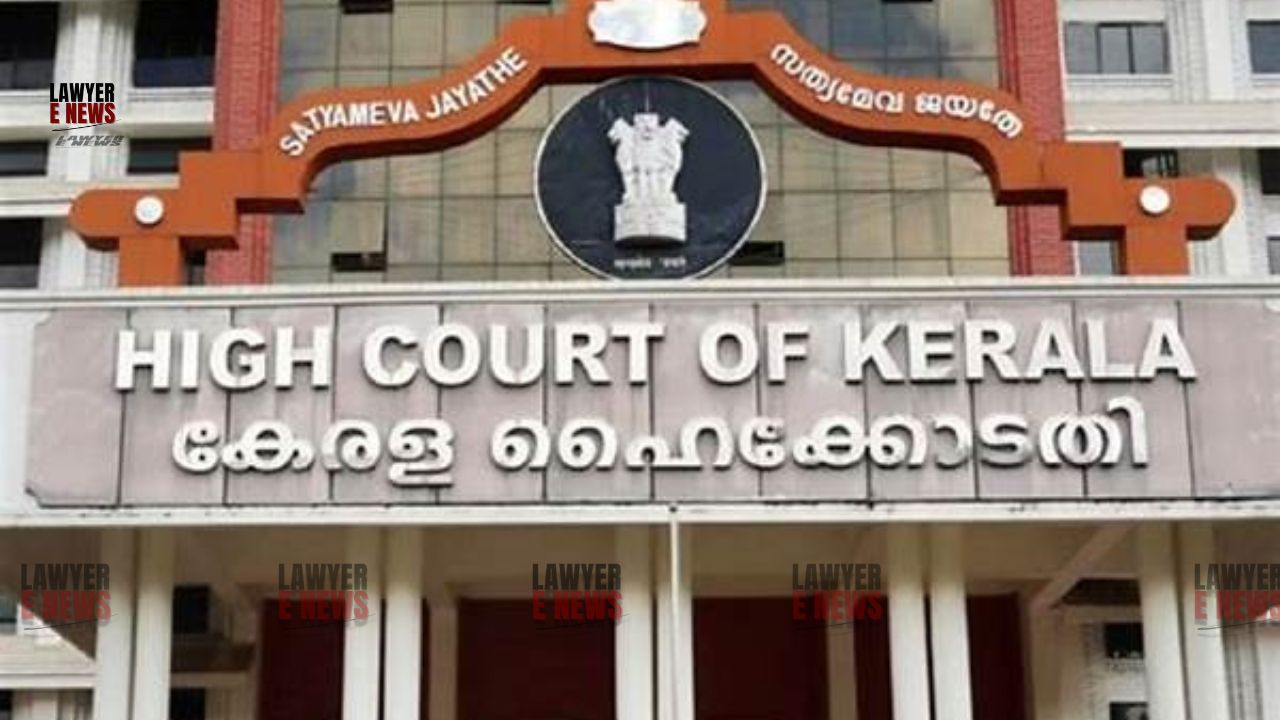
Justice S. Ravindra Bhat, writing for the bench, underscored the significance of fair and reasonable exercise of discretion by the state government in matters of premature release. He remarked, "While the government order dated 04.06.2022 issued by the State of Kerala is not directly challenged, it merits comment, and a note of caution. Blanket exclusion of certain offenses, from the scope of grant of remission, especially by way of an executive policy, is not only arbitrary but turns the ideals of reformation that run through our criminal justice system, on its head."

The judgment criticized the practice of classifying convicts based solely on the nature of their past crimes and inflexible guidelines that prevent individual consideration. "Classifying convicts through guidelines which are inflexible, based on their crime committed in the distant past can result in the real danger of overlooking the reformative potential of each individual convict," the court observed.

Justice Bhat also expressed concerns about the impact of such guidelines, stating, "The practical impact of a guideline, which bars consideration of a premature release request by a convict who has served over 20 or 25 years, based entirely on the nature of the crime committed in the distant past, would be to crush the life force out of such an individual, altogether."

Supreme Court ordered the immediate release of the petitioner, considering his good conduct, positive recommendations from the Jail Advisory Board, and the fact that he had already served over 26 years in prison.

Date of Decision: September 21, 2023

JOSEPH vs STATE OF KERALA & ORS.    

Latest Legal News