
-
by sayum
26 August 2026 1:49 PM







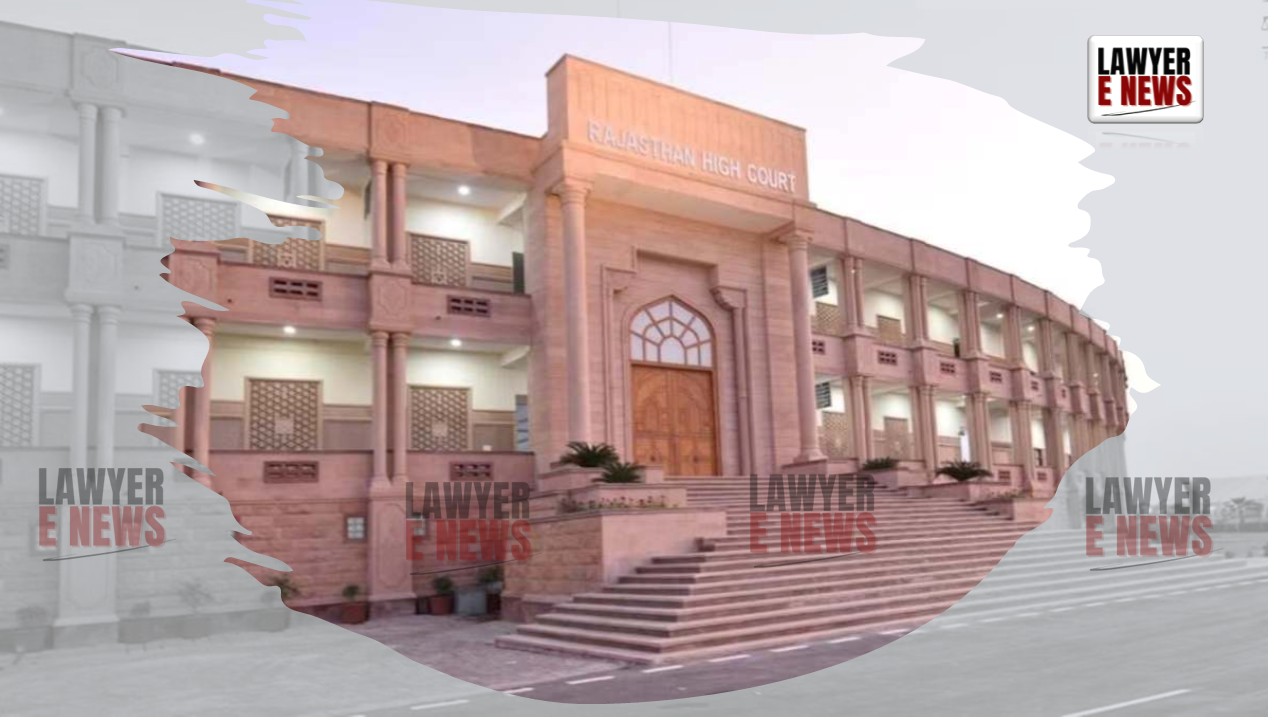
“The absence of proper assistance by Officers-in-Charge shall be treated as personal responsibility. Erring officers will face strict disciplinary action and recovery of costs from their own pockets” – In a scathing and unprecedented judicial indictment of institutional negligence, the Rajasthan High Court on March 24, 2025, tore into the chronic failure of State Officers and Officers-in-Charge (OICs) in assisting government counsels during court proceedings. Justice Anoop Kumar Dhand, while hearing Badri Narayan Sharma vs. State of Rajasthan & Anr., declared that no longer will court proceedings be adjourned due to files not being handed over or lack of instructions from the departments.
The Court thundered, “This Court feels pain to observe that in most of the cases, the Officers-In-Charge are not providing the original case file to their respective counsels… because of their condemnable negligence and lethargic attitude, the cases are deferred from one day to another, which hampers the process of providing justice.”
“Nine Years of Delay Because Officers Didn’t Hand Over Case Files — This Can’t Be Tolerated in a Civilised Legal System”
The writ petition, pending since 2016, became a flashpoint for exposing the systemic collapse in litigation management across Rajasthan. Justice Dhand noted that despite LITES (Litigation Information Tracking and Evaluation System) being introduced over two decades ago, there is “no significant improvement” in litigation conduct by government departments.
“There is no list of pending department-wise cases provided to the counsels. The newly appointed counsels are clueless… It is utterly shocking and surprising,” the Court remarked.
“Personal Liability, Recovery from Salary, ACR Downgrade — From Now On, Officers Will Be Made to Pay for Judicial Delays”
Issuing what amounts to a judicial mandate across the Rajasthan bureaucracy, the High Court directed that all government departments must provide pending case lists to their respective counsels within a one-month deadline. The Court warned:
“If the Court fails to get proper assistance from any department, appropriate costs would be imposed and recovered from the erring officer's personal pocket… Disciplinary action will follow. Adverse remarks will be made in the ACRs, potentially affecting future promotions.”
The order emphasized that non-compliance would be viewed seriously and adverse court orders arising from such dereliction shall be the personal responsibility of the defaulting officer.
“LITES is Failing, Legal Cells Are Absent, Counsels Are Clueless”: High Court Recites the Litany of State Inaction Despite Repeated Court Orders
The judgment reviewed the status of the Justice Department created in 2005 to streamline litigation management. Despite the use of technology like LITES, the Court noted, “All the efforts made to improve the current situation have been in vain.”
Justice Dhand said, “Despite more than 20 years having passed since the launch of the LITES portal, no significant measures have been taken to address the challenges faced by Government Counsels in the Courts.”
The Court cited its previous directions in Sardar Mal Yadav v. State Elementary Education Dept. (decided February 7, 2025), where it had already directed the Chief Secretary and Principal Law Secretary to frame guidelines and establish accountability structures. However, the same issues persisted.
“AI, Real-Time Dashboards, Big Data, CLE, Private Lawyers — Time for State to Modernize Litigation Strategy, Or Pay the Price”
The Court didn’t stop at criticism. It outlined an ambitious 14-point roadmap, suggesting radical measures such as:
• AI-powered case sorting and automated documentation
• Cross-training of OICs in law and continuing legal education
• Performance-based ACRs for OICs based on litigation handling
• Real-time dashboards for monitoring case progress
• Engagement of private legal experts in specialized matters
• Incentive structures to reward efficient litigation management
“Officers who manage their caseload efficiently and ensure that cases are handled within the prescribed timelines shall be rewarded. It will also encourage others to perform their duties diligently,” the Court stated.
“Enough Circulars, Now Execute Them”: Court Orders Strict Action Across 54 State Departments and All Rajasthan Districts
With a detailed compliance order attached to 54 listed departments including Law, Home, Revenue, Forest, Education, Medical, Transport, PWD, PHED, and Urban Development, the Court directed:
“All departments shall instruct their OICs to perform all duties assigned without fail. Delay caused by absence of proper instructions will lead to cost recovery, personal liability, and disciplinary action.”
The Chief Secretary, Principal Law Secretary, and District Magistrates were directed to submit compliance reports by April 15, 2025, and the matter is listed for monitoring.
“If You Delay Justice, You’ll Pay the Price — From Your Own Salary”: Rajasthan High Court Sends Bureaucracy a Final Warning
This judgment may well be remembered as a judicial blueprint for litigation reform in government functioning. With real consequences now being tied to bureaucratic lethargy, the message from the Bench is loud and clear — “No more excuses. No more adjournments. Justice delayed is accountability enforced.”
Date of Decision: March 24, 2025





