-
by sayum
24 August 2026 3:22 PM







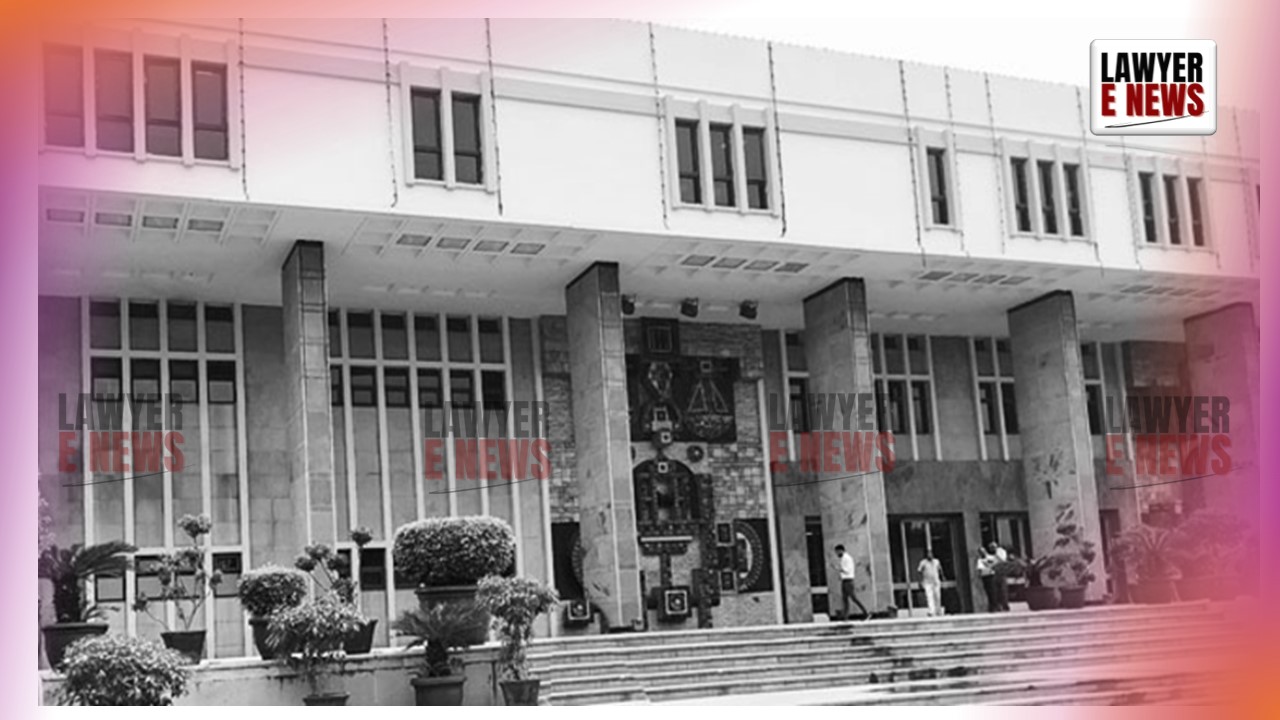
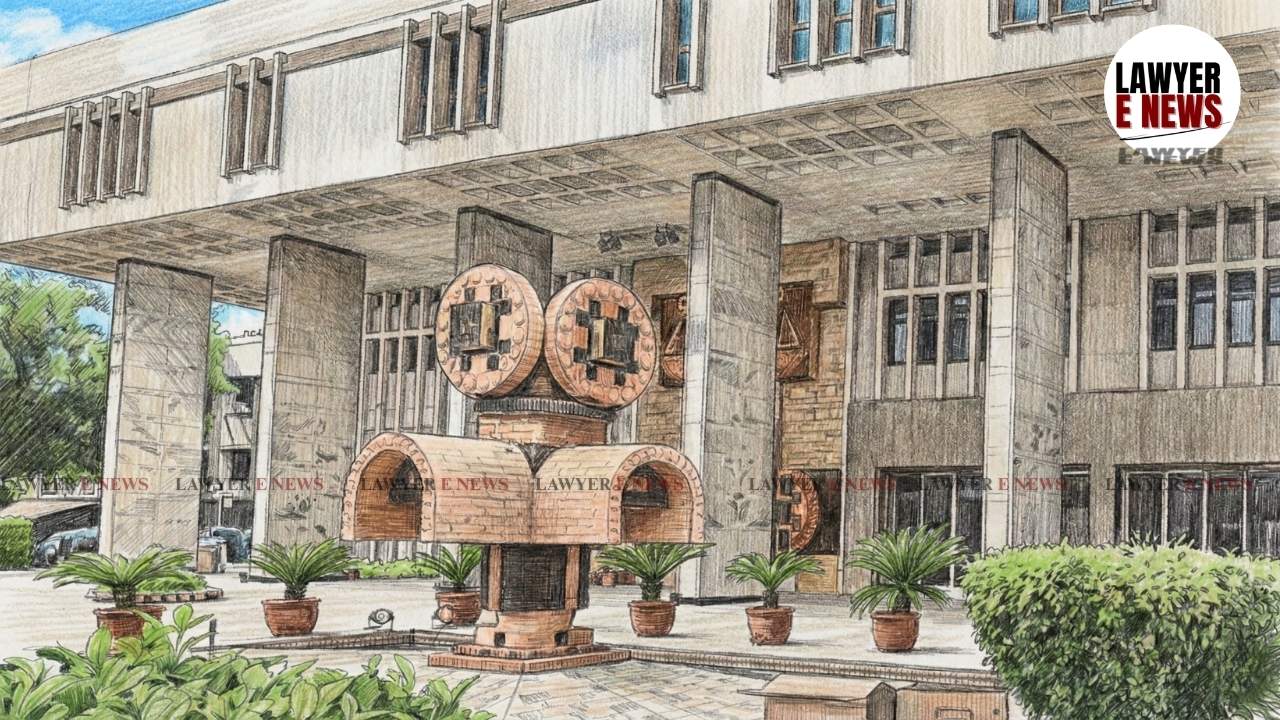
“Presence of Legal Assistance for the Accused Is the Core Element of Fair Trial” – In a significant ruling reinforcing the sanctity of fair trial rights, the Delhi High Court allowed a criminal petition filed by Ram Swaroop Gupta and others, challenging a trial court’s refusal to recall a prosecution witness for cross-examination. The High Court found that the accused were forced to cross-examine the witness without legal representation, resulting in a grave miscarriage of justice that “vitiates the entire trial.”
Justice Girish Kathpalia held that the trial court’s decision to proceed with the cross-examination in the absence of defence counsel was not only unjustified but fundamentally violated the accused’s right to a fair trial. The petitioners were accused in a criminal case and had moved an application under Section 311 of the Code of Criminal Procedure, 1973 (corresponding to Section 348 of the new Bhartiya Nagarik Suraksha Sanhita, 2023) seeking recall of PW-1 for further cross-examination.
The trial court had dismissed their application, stating that there was “no sufficient cause” for non-appearance of the counsel earlier, and had recorded the witness’s statement as “Nil. Opportunity given.” The High Court found this to be an instance of “gross injustice” requiring intervention under the inherent powers conferred by Section 482 CrPC.
“In the Name of Expeditious Trial, Fairness Cannot Be Allowed to Become a Casualty” – High Court Invokes Inherent Powers to Prevent Injustice
Justice Kathpalia observed that while the trial court’s order dismissing a Section 311 application may technically be interlocutory and thus barred from revision under Section 397(2) CrPC or Section 438(2) BNSS, the bar does not extend to the exercise of inherent powers under Section 482 CrPC where “gross injustice” is evident.
“It is not just the accused who suffers injustice, it is the entire trial which gets vitiated,” the Court stated, emphasizing that a fair opportunity for cross-examination is not a procedural luxury, but a constitutional necessity. The Court further held that “presence of legal assistance for the accused facing a trial is the core element of fair trial,” and any deprivation of this right undermines the foundation of criminal justice.
The facts revealed that on 2nd September 2023, PW-1, Mr. Jagmohan Gupta, appeared for cross-examination, but the accused were not accompanied by their counsel. They were still directed by the trial court to proceed with the cross-examination on their own. Being laypersons, they were unable to question the witness, and the trial court chose to close the testimony.
Justice Kathpalia rejected this approach as unjustifiable. He noted that even if the trial court did not find the explanation for counsel’s absence convincing, it had the power—and the duty—under Section 311 CrPC to ensure the witness was re-examined to prevent injustice.
The judgment further clarified that “in a case where the trial court is convinced that the accused is somehow protracting the proceedings, it should not compel the accused to proceed without legal representation.” Instead, the Court advised that in such cases, the trial court “should either appoint an amicus curiae or direct the Legal Services Authority to appoint a legal aid counsel.” The judge added that nothing prevents the trial court itself from putting questions to the witness “because the purpose of such trial is to arrive at the truth.”
“Inherent Powers Carry With Them an Attendant Duty to Prevent Miscarriage of Justice” – Systemic Directions Issued to Criminal Courts
Setting aside the trial court’s order dated 28.08.2024, the High Court directed that the accused be granted a fresh opportunity to cross-examine PW-1 through proper legal representation. The trial court was ordered to fix a new date for the cross-examination, considering its calendar. The next hearing before the trial court is scheduled for 07.02.2026.
But the High Court did not stop at correcting the injustice in the present case—it went a step further and issued systemic directions. Justice Kathpalia ordered, “Copy of this order be sent to all Principal District & Sessions Judges in Delhi with the request to circulate the same amongst all Courts dealing with criminal trials so that such situation does not arise again.”
The decision sends a strong message to subordinate courts that procedural speed cannot trump constitutional protections. Courts must act proactively to protect the rights of accused persons, especially when they are left defenceless in courtrooms.
In a robust reaffirmation of procedural fairness, the Delhi High Court has held that the right to legal representation is not a mere formality but the very essence of a fair trial. Compelling an unrepresented accused to cross-examine a witness is not only prejudicial but also strikes at the heart of justice. This ruling not only restores the rights of the petitioners but also acts as a guiding precedent to trial courts across Delhi, reminding them that justice must never be sacrificed at the altar of expediency.
Date of Decision: January 21, 2026