-
by sayum
04 August 2026 1:39 PM







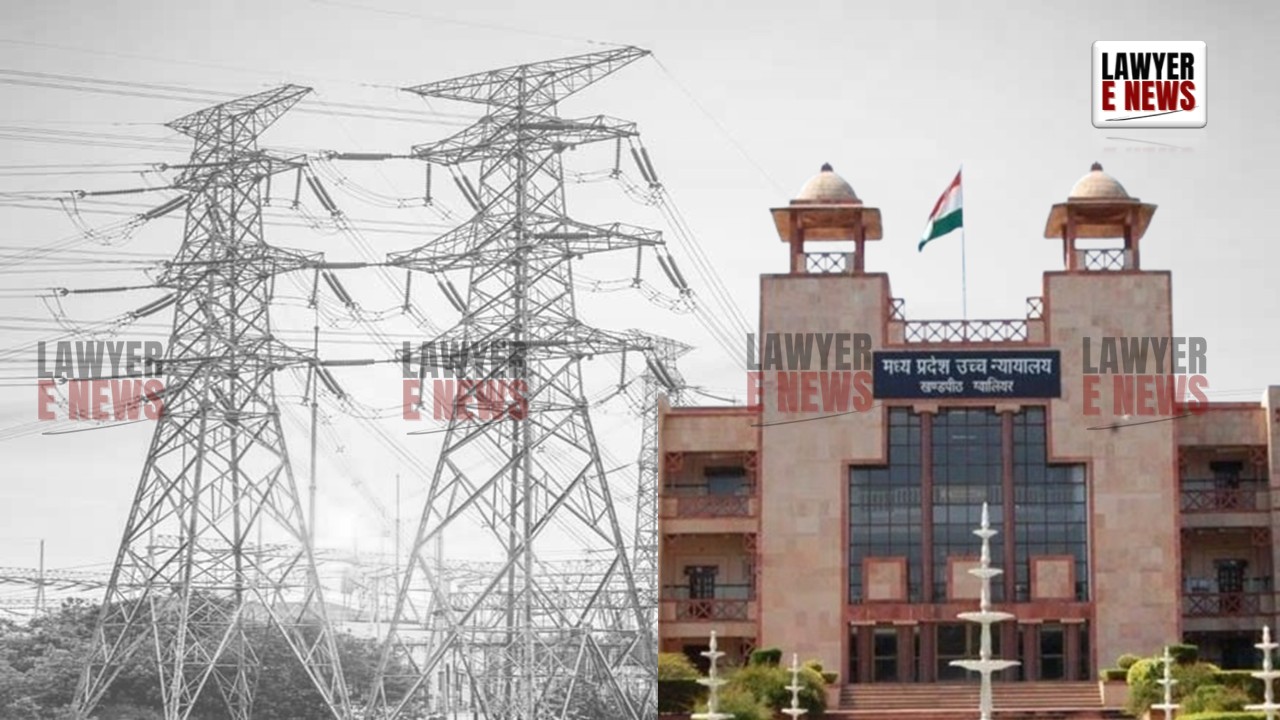
“Recovery cannot be made from the auction purchaser… outstanding dues are to be paid under the waterfall mechanism of the IBC”— “When the law provides a complete code for insolvency, recovery outside it is impermissible.” In a crucial judgment that fortifies the Insolvency and Bankruptcy Code’s overriding mandate, the Madhya Pradesh High Court, Indore Bench, ruled in favour of an auction purchaser, holding that electricity arrears of the defaulting prior owner cannot be fastened upon the buyer of a liquidated asset. High Court directed the refund of Rs. 55.29 lakh and release of a bank guarantee wrongfully secured by the electricity company.
The auction purchaser stepped into possession post-liquidation sale, yet was told to clear Rs. 1.10 crore in power dues from the defaulter’s past. The High Court found such demand unsustainable under the IBC.
Justice Pranay Verma unequivocally held: “The respondents cannot insist on payment of arrears which have to be paid in terms of the waterfall mechanism… The remedy of the respondents is under Section 53 of the IBC.”
A Buyer, But Not the Debtor
Mittal Soya Protein Pvt. Ltd. purchased an industrial unit through an IBC-regulated liquidation of M/s Dhanlaxmi Solvex Pvt. Ltd. After paying over Rs. 10.49 crore and receiving the sale certificate, the petitioner approached the electricity company for a fresh high-tension connection. The response was categorical—no new connection unless Rs. 1.10 crore in outstanding dues of the prior company were cleared. Under pressure, the petitioner deposited half and gave a bank guarantee for the rest.
This coercive condition became the bone of contention. The petitioner argued that as a third-party buyer in a liquidation sale, it was shielded by Section 238 of IBC, which overrides inconsistent laws like the Electricity Act.
The Legal Issue: Can Past Dues Be Loaded on the Future Occupier?
The Court examined the crux—whether the electricity company could extract dues of the insolvent entity from the new auction purchaser. The respondents relied on older electricity law precedents to justify the demand.
But the Court countered this position with authority: “The decisions relied upon… pertain to a period prior to the enactment of IBC. Hence, they cannot override the mandate of Section 238.”
The Court stressed that the entire insolvency framework is structured to prevent precisely this sort of extra-statutory recovery. Any dues pending must go through the liquidator and be settled as per the priority under Section 53—“a statutory waterfall that cannot be sidestepped.”
“The waterfall mechanism under IBC must be honored; respondents have no separate right to compel an auction purchaser to pay past dues.”
The High Court cited the Supreme Court’s clarity in Paschimanchal Vidyut Nigam Ltd. v. Raman Ispat Pvt. Ltd., which had held that electricity arrears, being operational debts, must be resolved within the IBC’s recovery structure and cannot be fastened on successors or asset buyers.
Having established the unlawful nature of the demand, the Court ordered: “The respondents are directed to refund the amount of Rs. 55,29,000/- to the petitioner and release the bank guarantee… with interest at the rate of 6% per annum from the date of payment till realization, failing which interest shall be 12%.”
In doing so, the Court not only ensured restitution but also sent a message that operational creditors cannot claim outside the process laid down by IBC.
This decision is a powerful reaffirmation of the primacy of IBC in insolvency matters, especially protecting auction purchasers from being treated as successors to liabilities. It offers crucial relief to buyers of liquidated assets and reiterates that once an asset is sold “free from encumbrances” under IBC, it cannot be made subject to historical claims.
“When the statute makes a specific provision, it must prevail. Section 238 of IBC is not a dead letter; it commands obedience over conflicting provisions of other laws.”
Date of Decision: 13 May 2025