-
by sayum
04 August 2026 11:10 AM








“To ensure safety of general public, lawyers, litigants, staff and judicial officers, restricted access and virtual hearings mandated” — Registrar General issues instructions under orders of Hon’ble Chief Justice
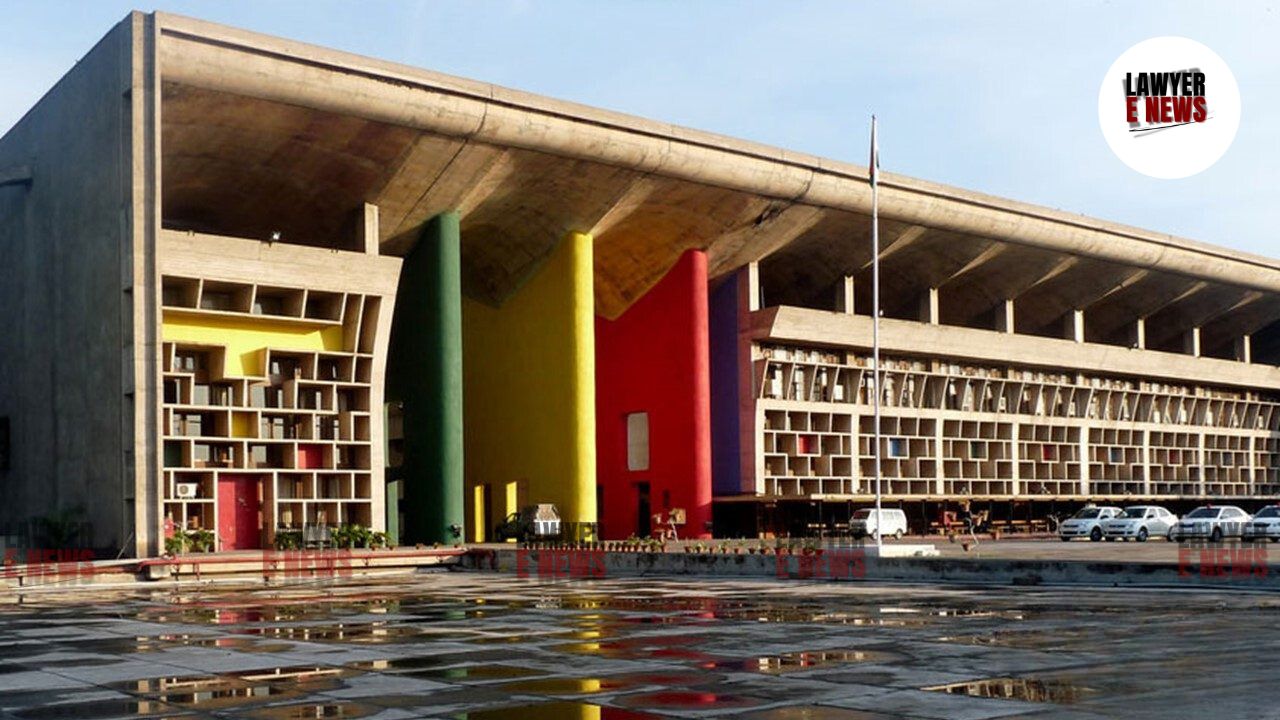
In a communication dated 8th May 2025, the Registrar General of the Punjab & Haryana High Court, Chandigarh, acting under the directions of the Hon’ble Chief Justice, has announced a restricted mode of functioning for the District Courts at Amritsar and Sub-Divisional Courts at Ajnala. This measure, effective from 09.05.2025 to 14.05.2025, aims to safeguard the health and security of all stakeholders, including litigants, lawyers, staff, and judicial officers.
“The Courts at Headquarters Amritsar and Sub-Divisional Courts at Ajnala be closed temporarily for public entry… and be run in a restricted manner,” the official directive states.
Key Directions
The order lays down comprehensive arrangements to ensure continuity of justice while minimizing public footfall. Importantly, urgent matters such as bail and stay applications will continue to be entertained with prior permission of designated judicial officers.
“Permission be granted for filing of urgent cases only… with prior permission of the District & Sessions Judge, Civil Judge (Sr. Divn), Chief Judicial Magistrate, or SDJM/ACJSD at Ajnala.”
The courts at Sub Division Baba Bakala Sahib will, however, continue functioning as per routine.
Use of Video Conferencing and Digital Filing Mechanisms
Highlighting the shift towards virtual operations, the order authorizes urgent hearings to be conducted via Vidyo, Webex, Lifesize, and, in case of technical issues, alternate platforms such as WhatsApp, Zoom, and Google Duo. It also explicitly permits e-filing and filing via email for urgent matters.
“Permission be granted for hearing of urgent cases through Video Conferencing… The pending cases be adjourned to the next date.”
Moreover, production of accused persons from police/judicial custody shall only be through video conferencing.
Attendance & Administrative Measures
To control the number of individuals physically present: “Only 50% of the staff of each respective Court shall attend duty on rotation basis… The staff not reporting shall work from home and remain available.”
The National Lok Adalat scheduled on 10.05.2025 stands postponed.
The duty magistrates on 10th and 11th May (Saturday and Sunday) are also instructed to function through virtual hearings.
This directive reflects a pragmatic and preventive approach by the High Court administration to strike a balance between access to justice and public health safety in a temporary but critical phase. The High Court has taken care to ensure continuity of urgent legal remedies while safeguarding institutional functionality.