-
by sayum
26 August 2026 8:37 AM







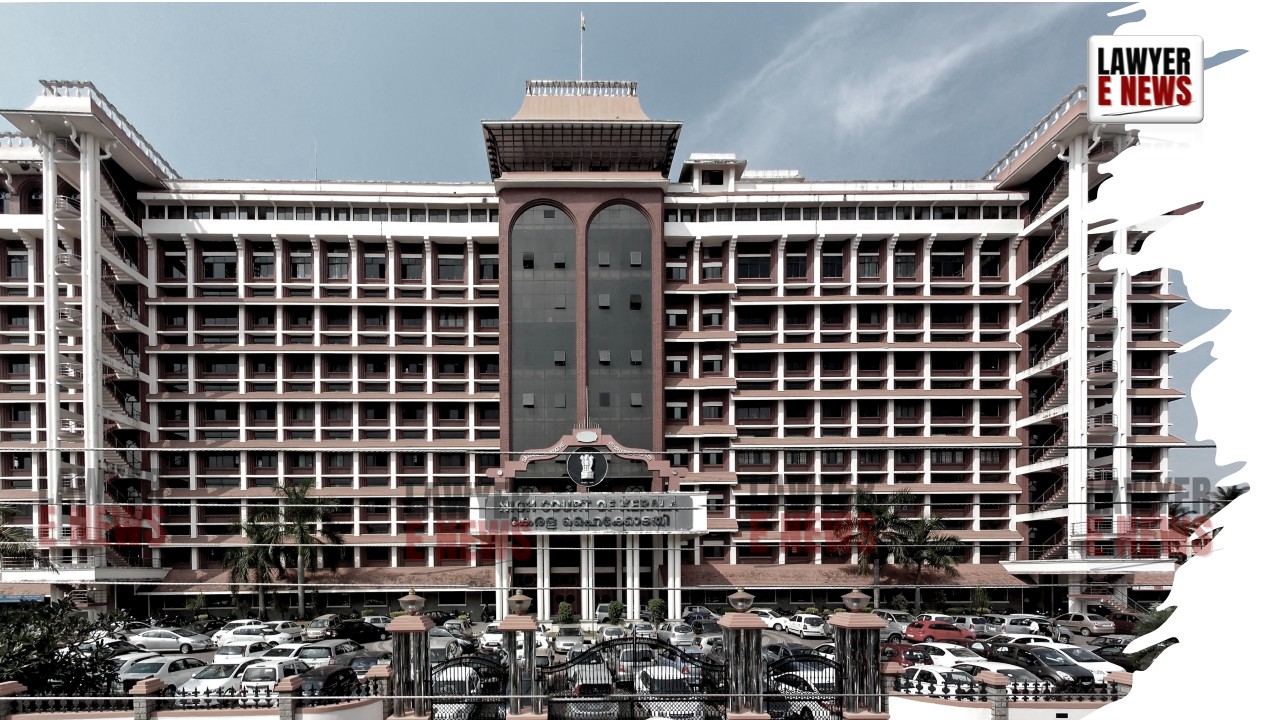
“Non-Grant of Opportunity to File Counter Affidavit Caused Prejudice”, In a reportable decision reaffirming the centrality of natural justice in writ proceedings, the Kerala High Court decided on 13 February 2026, set aside the judgment of the learned Single Judge which had directed payment of gratuity and leave surrender benefits at the admission stage without affording the Bank an opportunity to file a counter affidavit.
A Division Bench comprising Justice Sushrut Arvind Dharmadhikari and Justice P. V. Balakrishnan held that the disposal of the writ petition on merits, at the threshold, without hearing the appellants on substantial legal questions, caused prejudice and warranted remand for fresh consideration.
Disciplinary Proceedings and Recovery Order
The first respondent, Mini Mathew, joined the appellant Co-operative Bank as a Junior Clerk in 1989 and retired on 30 April 2022 after 32 years of service.
During service, she faced disciplinary proceedings for supervisory lapses which allegedly enabled siphoning of ₹50,60,000/-. The Enquiry Officer found her guilty. Initially, four increments were cut and recovery of half the loss was ordered. In appeal, the punishment was modified to stoppage of two increments with cumulative effect and recovery of ₹25,30,000/-.
Though she continued in service till superannuation, the Bank did not effect recovery during her tenure. After retirement, however, gratuity and leave surrender benefits were withheld. Even the amount of ₹3,50,000/- credited by LIC under the Group Gratuity Scheme was retained.
Aggrieved, the respondent filed W.P.(C) No.21930 of 2022 seeking release of ₹20,00,000/- as gratuity and ₹8,83,972/- towards leave surrender.
Single Judge’s Order: Direction to Release Gratuity
The learned Single Judge allowed the writ petition at the admission stage itself and directed the Bank to pay the amount received from LIC with interest, without calling for a counter affidavit from the appellants.
This prompted the intra-court appeal by the Bank.
“Substantial Questions of Law Require Consideration”
Before the Division Bench, the appellants contended that they were denied the opportunity to raise crucial contentions, including their right of lien under Rule 198(7) of the Kerala Co-operative Societies Rules, 1969, which permits retention and adjustment of amounts payable to an employee towards liabilities due to the Bank.
They argued that there was an enforceable order of recovery of ₹25,30,000/- and that the issue involved complex questions concerning the interplay between Rule 198(7) and the Payment of Gratuity Act, 1972.
The Court found merit in these submissions.
Justice Balakrishnan, speaking for the Bench, observed that the writ petition had been “disposed of on merits, at the admission stage itself” and that the appellants “did not get an opportunity to place their contentions on record, by filing a counter affidavit.”
The Bench noted that the grounds raised in the appeal disclosed “substantial grounds including questions of law, which requires due consideration.”
Payment of Gratuity Act vs. Right of Lien – Issue Left Open
The respondent had argued that gratuity cannot be withheld in view of the statutory protection under the Payment of Gratuity Act. However, the Division Bench refrained from adjudicating the merits of this contention.
Instead, it held that the proper course would be to remit the matter to the learned Single Judge for fresh adjudication after permitting the appellants to file their counter affidavit.
Allowing the writ appeal, the Court:
Set aside the judgment dated 19.08.2022 in W.P.(C) No.21930 of 2022.
Remitted the writ petition to the learned Single Judge for fresh consideration and disposal after granting opportunity to the appellants to file a counter affidavit.
Directed the appellants to file their counter affidavit within two weeks from the date of appearance before the learned Single Judge.
The judgment underscores that even in service matters involving retiral benefits, courts must ensure compliance with principles of natural justice. Disposal of writ petitions at the admission stage without affording an opportunity to file a counter affidavit may vitiate the adjudicatory process where substantial legal issues are involved.
By remanding the matter, the Kerala High Court has ensured that the competing claims — statutory protection of gratuity under the Payment of Gratuity Act and the Bank’s claimed right of lien under Rule 198(7) — are adjudicated after full hearing.
Date of Decision: 13 February 2026