-
by sayum
26 August 2026 8:00 AM








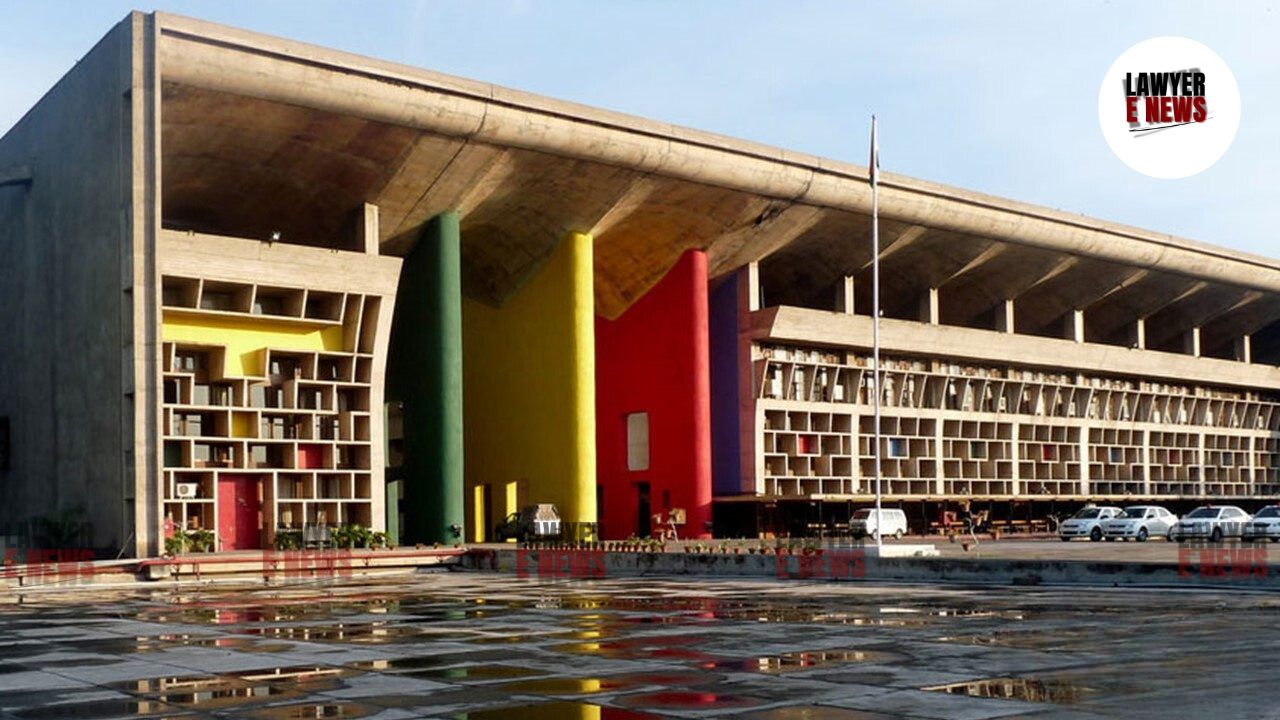
“Repeated Representations Cannot Revive a Stale Claim” – In a firm reiteration of the doctrine of delay and laches in service jurisprudence, the Punjab and Haryana High Court has dismissed a writ petition filed by retired Drivers seeking parity in pay scale with Clerks and Patwaris, holding that a five-year unexplained delay in challenging rejection of their claim disentitles them from discretionary relief under Article 226 of the Constitution.
Justice Namit Kumar declining to entertain the petition solely on the ground of gross and unexplained delay.
The Court held that “equity aids the vigilant and not those who sleep over their rights,” and that belated invocation of writ jurisdiction cannot be permitted to unsettle settled matters.
Alleged Pay Anomaly After 2011 Mid-Term Revision
The petitioners, all retired Drivers in the Punjab Government, claimed that prior to 01.12.2011, the post of Driver enjoyed a higher pay scale than Clerks, Patwaris, Constables, and Gram Sewaks.
However, pursuant to the mid-term pay revision implemented with effect from 01.12.2011, the State revised the pay scales of Clerks, Patwaris, Constables and Gram Sewaks to Rs. 10,300–34,800/- with Grade Pay of Rs. 3,200/-, but did not extend the same revision to Drivers.
The petitioners alleged that this resulted in a “pay anomaly” whereby junior posts were placed in a higher pay band.
Earlier, they had approached the High Court in 2019, which directed the authorities to decide their legal notice. Their claim was rejected through a speaking order dated 23.03.2020.
Instead of challenging the order immediately, the petitioners filed the present writ petition in 2026—more than five years later—seeking quashing of the rejection order and grant of revised pay band with arrears and 12% interest.
Can Writ Jurisdiction Be Invoked After Five Years?
The principal question before the Court was whether a writ petition under Articles 226/227 could be entertained after an unexplained delay of over five years from the date of rejection of the claim.
The State strongly opposed the petition on the ground of delay and laches.
Justice Namit Kumar observed:
“Admittedly, the claim of the petitioners… was rejected… vide order dated 23.03.2020 and aggrieved against the said order, the petitioners have approached this Court after a lapse of period of more than 05 years.”
The Court held that such “undue and unexplained delay” was fatal.
Supreme Court Precedents on Delay and Laches
The judgment extensively relied upon Supreme Court authorities emphasizing that writ jurisdiction is discretionary and equitable.
Quoting Yunus (Baboobhai) A. Hamid Padvekar v. State of Maharashtra, the Court reiterated:
“Delay or laches is one of the factors which is to be borne in mind by the High Courts when they exercise their discretionary powers under Article 226… the High Court may refuse to invoke its extraordinary powers if there is such negligence or omission on the part of the applicant to assert his right.”
The Court also cited State of Uttaranchal v. Shiv Charan Singh Bhandari, where it was held that repeated representations do not keep issues alive and that:
“A stale or a dead issue/dispute cannot be revived… the issue regarding delay and laches is to be decided with reference to original cause of action.”
The High Court further emphasized the settled principle that:
“Anyone who sleeps over his rights is bound to suffer the consequences.”
Recurring Cause of Action Argument Rejected
The petitioners attempted to rely on the doctrine that pay fixation gives rise to a recurring cause of action.
However, relying on precedents including Prem Nath v. State of Punjab and Chairman, U.P. Jal Nigam v. Jaswant Singh, the Court clarified that recurring cause principles apply only where the employee asserts rights while in service.
In the present case, the petitioners had already retired and had remained silent for years after rejection of their claim.
The Court made it clear that:
“Mere representations or reliance on subsequent Pay Commission observations do not revive stale claims.”
Even if the claim appeared arguable on merits, the discretionary nature of writ jurisdiction permitted denial of relief on account of delay alone.
Equity Jurisdiction and Public Interest
Justice Namit Kumar underlined that entertaining belated claims may cause administrative uncertainty and financial burden on the State.
The Court concluded:
“Such belated invocation of the writ jurisdiction, without furnishing any satisfactory explanation for the prolonged silence, defeats the very object of equitable relief and disentitles the petitioners from any discretionary relief under Article 226.”
The High Court dismissed the writ petition on the ground of gross delay and laches, without examining the merits of the alleged pay anomaly.
The ruling reinforces a consistent judicial position that even service-related claims, including pay parity disputes, must be asserted within a reasonable time. The judgment underscores that equality under Article 14 cannot be invoked to resurrect stale claims, and that discretionary constitutional remedies are unavailable to litigants who approach the Court after years of inaction.
Date of Decision: 03 February 2026