-
by sayum
25 August 2026 11:15 AM







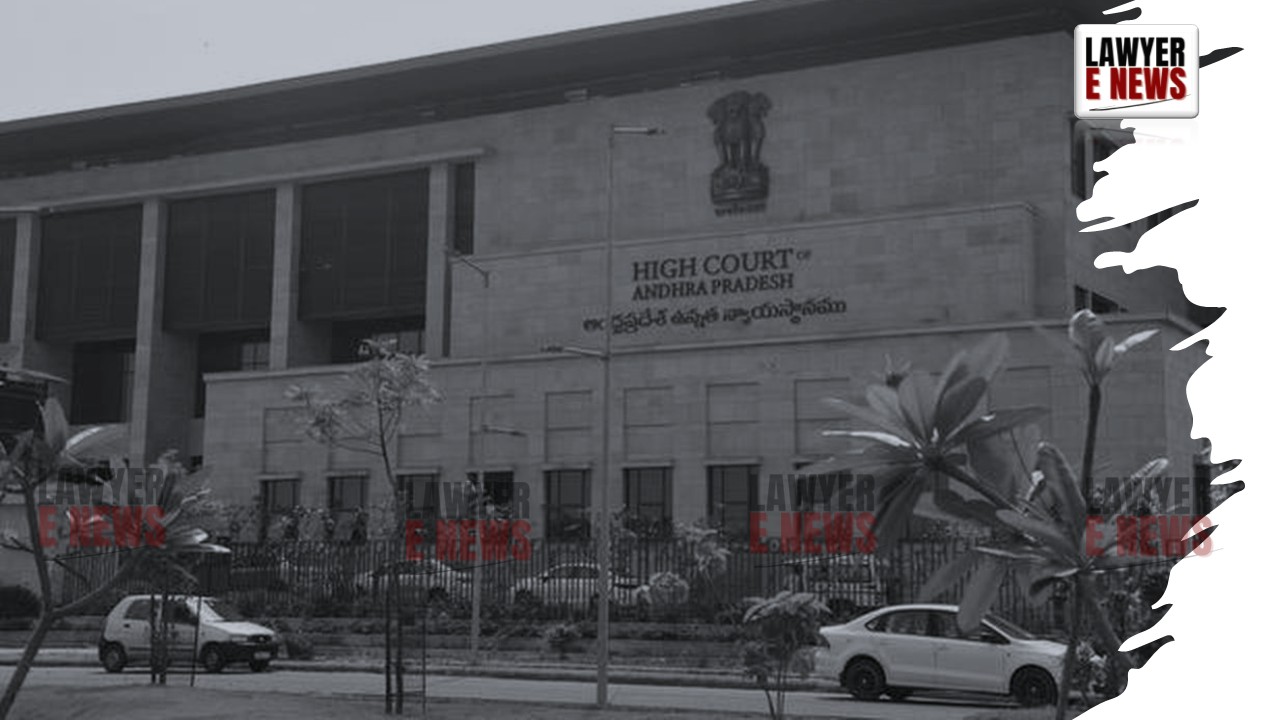
“No Right to Patch Up the Gaps”, In a firm reiteration of procedural discipline and limited supervisory jurisdiction, the High Court of Andhra Pradesh on 6 February 2026 dismissed three Civil Revision Petitions seeking to reopen evidence in a civil suit more than three years after its closure.
Justice R. Raghunandan Rao held that there was no infirmity or illegality in the trial court’s refusal to allow the petitioners to introduce additional documents—certified copies of sale deeds—at such a belated stage.
“No case is made out before this Court for interfering... the learned counsel could not demonstrate... why the reasons given by the trial Court are arbitrary or unreasonable” the Court observed while declining to exercise jurisdiction under Article 227 of the Constitution.
“Once Evidence Is Closed, There Must Be Strong Justification to Reopen”—Court Refuses to Allow Sale Deeds to Be Filed Late
The petitioners had filed O.S. No. 25 of 2015 before the X Additional District Judge, Gurazala, seeking a declaration and permanent injunction regarding ownership over 20.76 acres of land. After examining four witnesses, their evidence was closed on 14 February 2019.
Three years later, in 2022, the petitioners filed interlocutory applications under:
Section 151 CPC (inherent powers)
Order XVIII Rule 17 CPC (recalling witness/reopening evidence)
Order VII Rule 14(3) CPC (filing additional documents not annexed to plaint)
These applications sought to produce certified copies of neighbouring sale deeds to clarify boundary disputes.
The trial court dismissed the applications via a common order dated 07 October 2025. Upholding this decision, the High Court emphasized:
“The petitioners have not explained as to why the documents had not been filed earlier… it is clear from the chief affidavit filed on 27.06.2017 that they had knowledge of these documents but chose not to produce them.”【CRP Judgment†Paras 3–6】
“Foundational Pleadings Are Mandatory Under Order VII Rule 14(3)”—Court Reiterates
The Court underscored that mere possession of documents is not enough to justify their late production—there must be foundational pleadings in the plaint to support their relevance. In this case, the sale deeds had never been referred to in the pleadings.
“Documents cannot be permitted to be introduced at a later stage without justification or pleadings,” the Court held firmly, affirming the trial court’s reasoning.【CRP Judgment†Para 6】
“Order XVIII Rule 17 Is Not a Tool to Patch Up Omissions”
Rejecting the invocation of Order XVIII Rule 17 CPC, the High Court reiterated that its limited purpose is to clarify existing evidence—not to introduce new material to fill lacunae in a party’s case.
“Power to recall witnesses or reopen evidence is discretionary and to be exercised sparingly – Cannot be invoked to patch up omissions or prolong litigation.”【CRP Judgment†Para 6】
The Court observed that such attempts, made after an unreasonable delay, serve only to stall proceedings and disrupt judicial discipline.
“High Court Cannot Substitute Its View for That of the Trial Court”—Scope of Article 227 Limited
Invoking Article 227 of the Constitution, the petitioners sought supervisory interference. However, the High Court cautioned that supervisory jurisdiction is not appellate in nature:
“High Court cannot substitute its view for that of Trial Court unless order is perverse or arbitrary – Petitioners failed to demonstrate any jurisdictional error or unreasonableness.”【CRP Judgment†Para 7】
Accordingly, all three Civil Revision Petitions were dismissed.
Date of Decision: 06 February 2026