-
by sayum
12 August 2026 1:53 PM







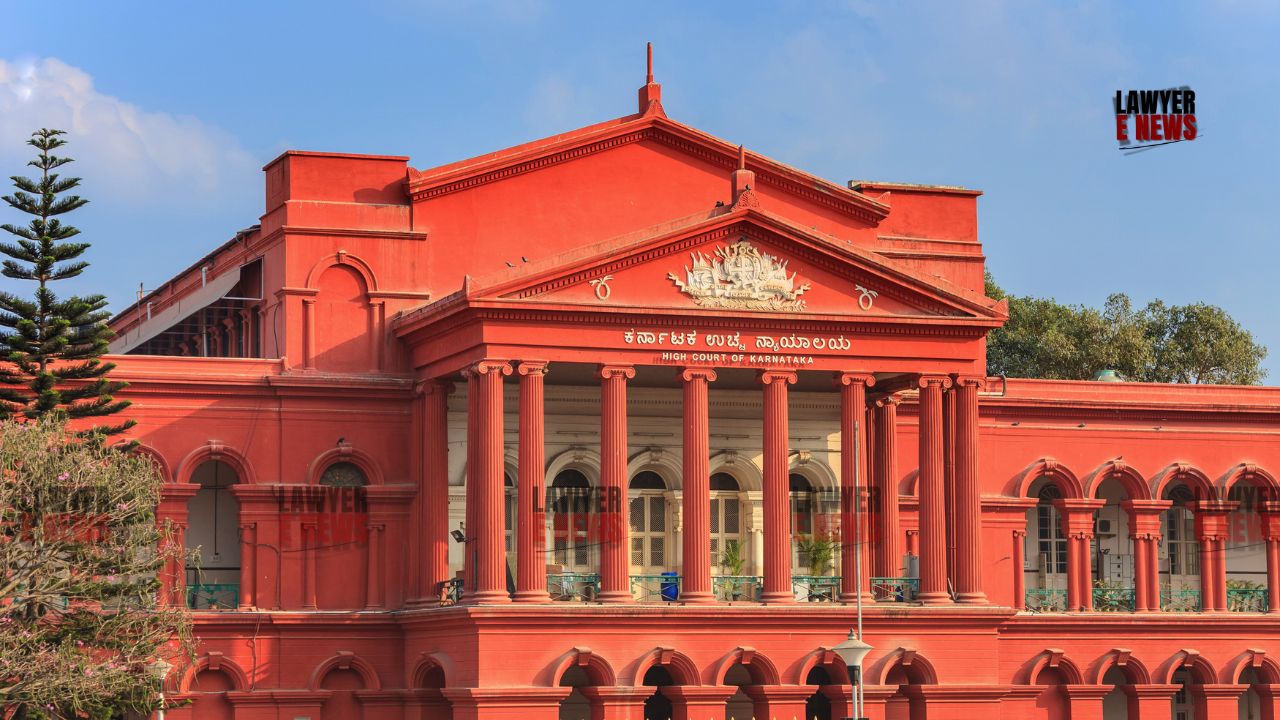
The Karnataka High Court, in a significant ruling, dismissed a petition filed by MLA Munirathna seeking the quashing of FIR No. 121/2024 registered against him under Sections 504, 506, 323, 385, and 420 of the IPC. The petition challenged the validity of the investigation and the constitution of the Special Investigation Team (SIT) to probe allegations of extortion and harassment against the legislator.
Justice M. Nagaprasanna, delivering the judgment on March 7, 2025, rejected the argument that the case was a result of political vendetta. The Court observed, "The allegations against the petitioner are not isolated events but are said to have continued from 2019 to 2024. Therefore, the contention of delay in lodging the complaint does not hold water."
The case arose from a complaint filed by contractor Cheluvaraju, who alleged that Munirathna had been demanding bribes for allowing him to continue his garbage disposal contract with the Bruhat Bengaluru Mahanagara Palike (BBMP). The complainant claimed that the MLA repeatedly coerced him for money, and despite fulfilling some demands, the threats and harassment continued.
Rejecting the defense that the FIR was a politically motivated act, the Court ruled, "A mere claim of political conspiracy without substantive proof cannot override an ongoing criminal investigation, particularly when the accusations span over several years."
Regarding the constitution of the SIT, the petitioner contended that the team was improperly formed as its members were not exclusively from the Criminal Investigation Department (CID). The Court, however, dismissed this argument, stating, "A Special Investigation Team can be drawn from multiple sources as long as the head of the investigation is from the CID. There is no procedural irregularity in the formation of the SIT."
Further, the petitioner argued that the SIT was directed to report to the government instead of the court, rendering the investigation unlawful. The Court rejected this contention, citing precedents, and stated, "The mere fact that an investigation report is submitted to the government does not preclude the police from filing the final report before the court under Section 173(2) of Cr.P.C."
Referring to previous Supreme Court judgments, the Court reaffirmed that an SIT could be formed for crimes of significant public interest and that its formation does not invalidate the investigation. The Court referenced Vineet Narain v. Union of India (1998) 1 SCC 226 and Ideya Vendan R. v. State of Karnataka to uphold the legality of the SIT's formation.
The Court concluded, "Investigations cannot be obstructed by procedural technicalities or political narratives if prima facie allegations of continuing criminal activity exist."
Accordingly, the petition was dismissed, and any interim relief previously granted was vacated.
Date of Decision: March 7, 2025