-
by sayum
03 August 2026 8:55 AM







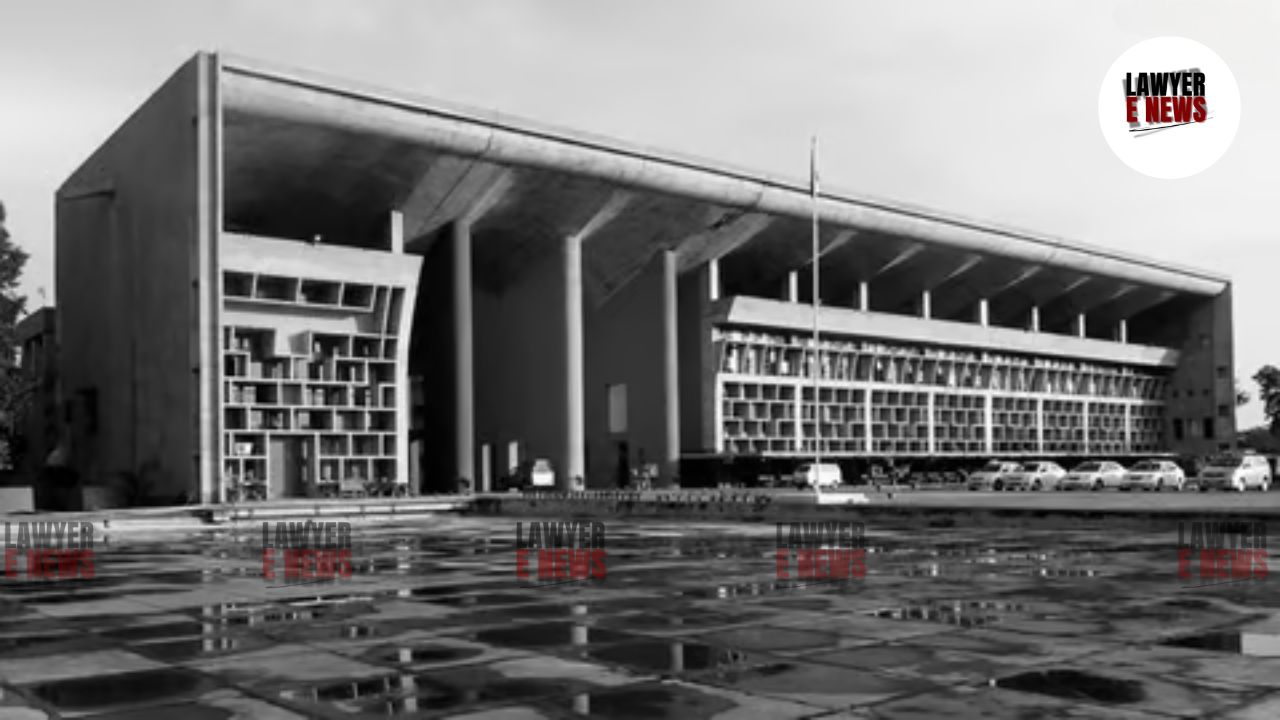
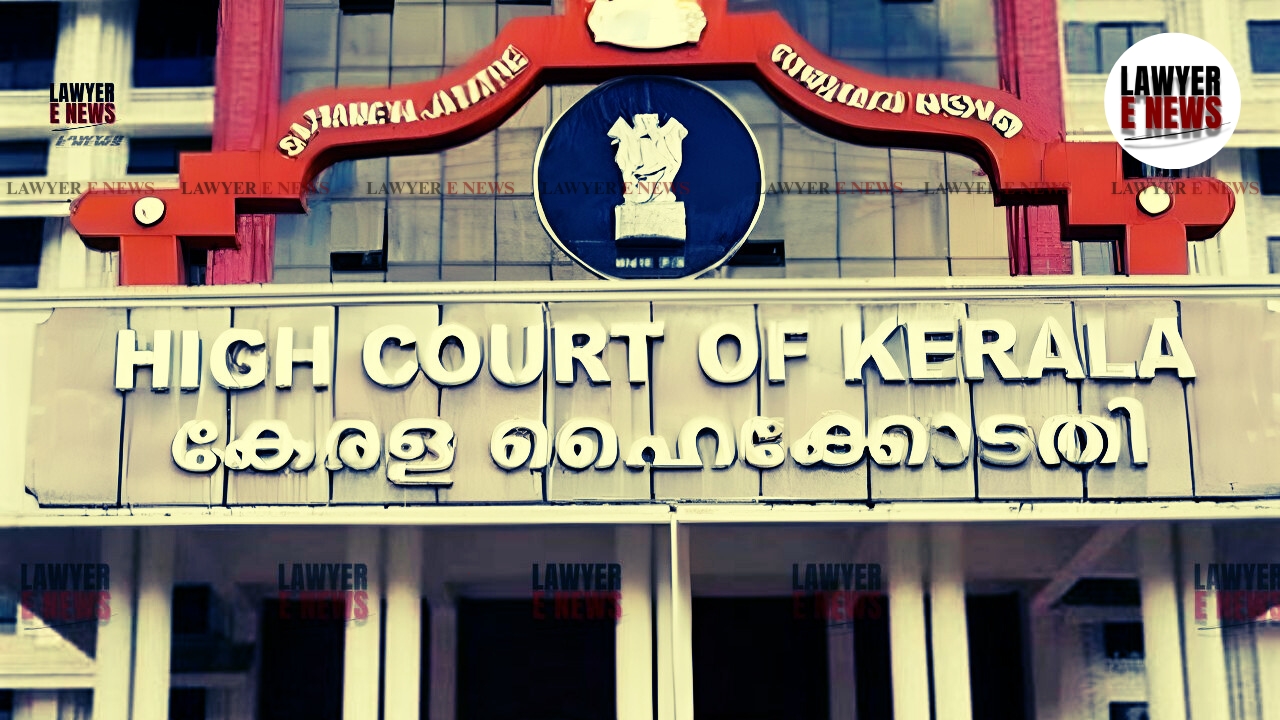
P&H High Court Upholds Amendment of Pleadings in Injunction Suit Under Order 6 Rule 17 CPC. Punjab and Haryana High Court, in the case of Ajmer Singh & Another v. Bhagat Singh through LRs & Another, dismissed a civil revision petition under Article 227 of the Constitution of India. The petitioners had challenged a trial court order permitting the amendment of a plaint to add a prayer for possession under Order 6 Rule 17 CPC. The court ruled that such an amendment is essential for proper adjudication of the dispute, clarifying that it does not prejudge the merits of the case.
The respondents had initially filed a suit seeking a permanent injunction to prevent the petitioners from constructing shops and rooms on a valuable part of land adjoining NH-21 Chandigarh-Kharar Highway, claiming it as encroachment. While the case was pending, the plaintiffs sought to amend the plaint, stating that the petitioners had constructed five shops and four rooms on the disputed property. They requested the court to include a prayer for possession of the land after removal of the encroachment.
The trial court, on July 3, 2024, allowed the application for amendment, prompting the petitioners to file this civil revision under Article 227.
The central issue revolved around whether the trial court’s decision to allow the amendment under Order 6 Rule 17 of the Code of Civil Procedure, 1908 was justified. The petitioners contended that the suit for permanent injunction had been improperly converted into a suit for possession. They argued that the amendments were based on false claims and sought to reverse the trial court’s order.
In contrast, the respondents argued that the alleged construction took place during the pendency of the suit, justifying the need for the amendment to properly adjudicate the matter.
Justice Vikas Bahl noted that courts, when deciding applications under Order 6 Rule 17, are not required to evaluate the correctness of the claims being introduced. Citing the Supreme Court’s ruling in Rajesh Kumar Aggarwal & Ors. v. K.K. Modi & Ors., 2006(2) RCR (Civil) 577, the court reiterated:
"The object of the rule is that courts should try the merits of the case that come before them and should, consequently, allow all amendments that may be necessary for determining the real question in controversy between the parties provided it does not cause injustice or prejudice to the other side."
The court further referenced Sampath Kumar v. Ayyakannu & Another, (2002) 7 SCC 559, emphasizing that at the amendment stage, courts should not adjudicate on the truth or falsity of the new claims.
The court found that the amendment sought was necessary for determining the real controversy and to avoid multiple legal proceedings over the same dispute. The court stressed that the defendants' rights would remain intact, as they could file an amended written statement and contest the allegations during the trial:
"Merely by allowing the amendment, relief has not been granted to the plaintiffs. The pleas raised by the plaintiffs... would all be considered during the trial after considering the evidence led by both the parties and the arguments raised."
The court clarified that allowing the amendment did not mean the acceptance of the plaintiffs’ claims, but only permitted them to introduce new facts into the pleadings. The petitioners would have every opportunity to challenge these claims during the trial, thus preserving their rights.
The court highlighted that the amendment was necessitated by a subsequent event—the construction alleged to have occurred during the pendency of the suit. As such, the new prayer for possession based on these facts was consistent with the original cause of action.
The court dismissed the petition, upholding the trial court’s order that allowed the amendment of the plaint. It held that the amendment was crucial for the effective and just resolution of the dispute, ensuring that the real controversy could be determined without causing prejudice to any party.
Date of Decision: September 18, 2024