-
by sayum
19 August 2026 8:35 AM







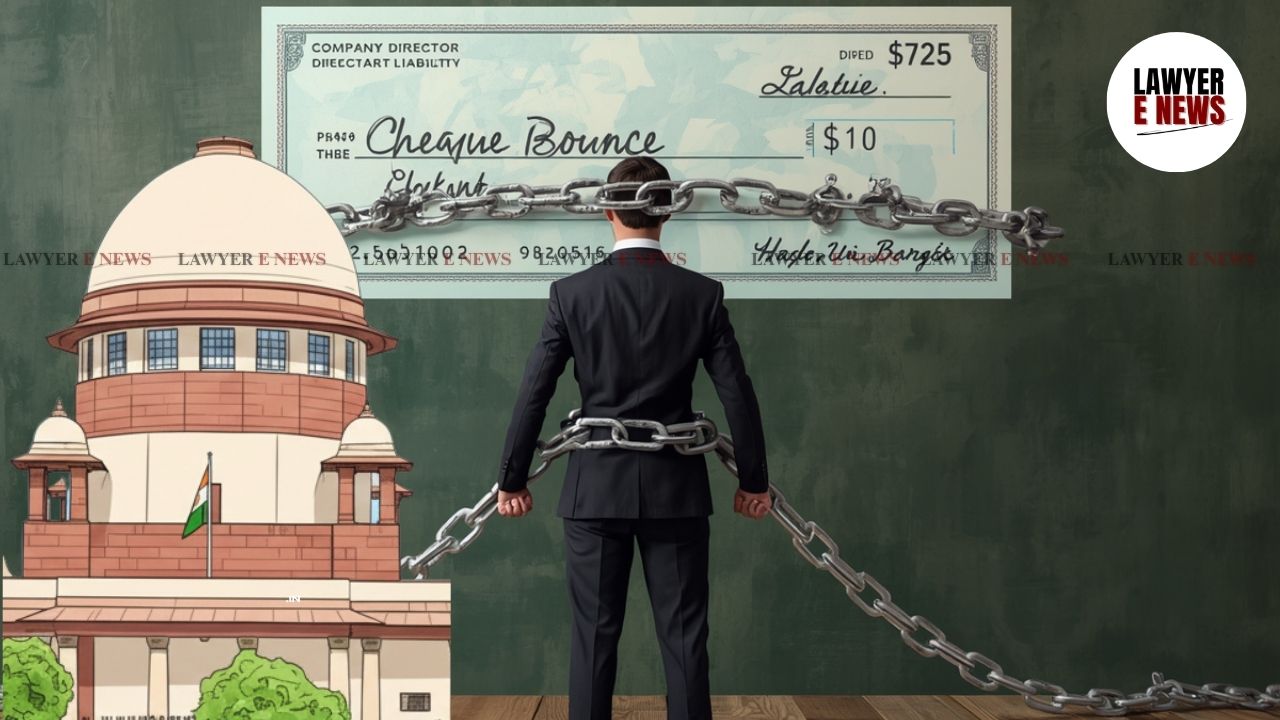
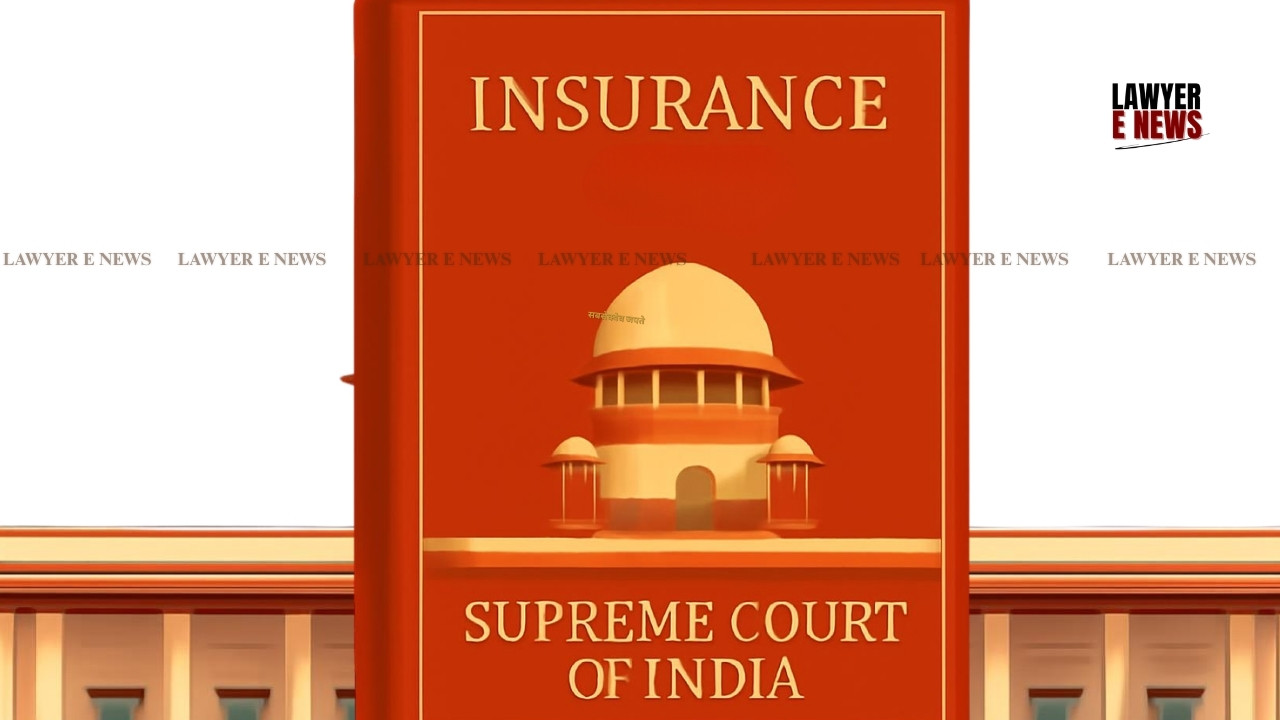
" Director Can't Be Summoned In Cheque Bounce Case Merely For Signing Board Resolution Without Specific Allegations," Today, Supreme Court, in a significant ruling dated April 7, 2026, held that merely signing a company's Board Resolution does not make a director vicariously liable for dishonoured cheques under Section 141 of the Negotiable Instruments Act.
A bench of Justice Sanjay Karol and Justice Augustine George Masih observed that such resolutions generally relate to major directional issues and do not automatically establish a director's involvement in the day-to-day business affairs of the company.
The appellant, a director of Projtech Engineering Private Limited, was summoned by a magisterial court in a cheque bounce case involving three cheques issued for the supply of iron and steel. She challenged the summoning order, but both the revisional court and the Delhi High Court dismissed her plea. The lower courts reasoned that because she had signed a Board Resolution, it established her direct involvement in the day-to-day management of the accused company.
The primary question before the court was whether signing a Board Resolution inherently establishes a director's day-to-day involvement in a company's affairs to justify a summons under Section 141 of the NI Act. The court was also called upon to determine whether availing a revisional remedy under Section 397 of the CrPC limits or bars the High Court's inherent powers under Section 482 of the CrPC.
Board Resolutions Relate To Major Decisions, Not Everyday Business
Analyzing the fundamental nature of corporate governance, the court noted that a Board Resolution is a document signed by directors for specific matters placed before them for consideration. The bench clarified that participating in such major directional issues, such as hiring management personnel or acquiring assets, does not establish that a director is involved in the company's daily transactions. The court explicitly noted that relying solely on a signed resolution to prove day-to-day involvement is an approach that "is not inspiring in confidence."
Specific Averments Essential Under Section 141 NI Act
The court reiterated the settled legal position regarding vicarious liability in cheque bounce cases, heavily relying on the landmark precedent of S.M.S. Pharmaceuticals Ltd. v. Neeta Bhalla. The bench observed that the complaint in the present case lacked "even as much as a whisper of direct allegation" against the appellant. The court emphasized that a specific averment stating the accused was in charge of and responsible for the conduct of the company's business remains the strict sine qua non to attract liability under Section 141 of the NI Act.
"Accused was in charge of, and responsible for the conduct of business of the company."
Revisional Jurisdiction Does Not Bar Section 482 Powers
In a crucial observation on criminal procedure, the Supreme Court strongly disagreed with the Delhi High Court's view that entertaining a petition under Section 397 of the Code of Criminal Procedure circumscribes subsequent proceedings under Section 482. Referring to the three-judge bench decision in Krishnan & Anr. v. Krishnaveni & Anr. and the ruling in Dhariwal Tobacco Products Ltd., the bench clarified that the High Court's inherent power is not conferred by statute but is merely saved by it.
"The inherent power of the High Court is still available under Section 482 of the Code and as it is paramount power of continuous superintendence... the High Court is justified in interfering with the order leading to miscarriage of justice."
Statutory Bar Cannot Restrict Inherent Superintendence
The court stated that these inherent powers of continuous superintendence remain fully available to prevent a miscarriage of justice, even if revisional remedies have already been exhausted. The bench expressly found fault with the Delhi High Court's restrictive interpretation of the law, noting that it is difficult to conceive that the jurisdiction of the High Court would be barred only because revisional jurisdiction could also be availed of.
Setting aside the impugned judgments on both legal counts, the Supreme Court quashed the summoning order issued against the appellant. The court allowed the appeal while clarifying that these observations are limited exclusively to the appellant's case and will have no bearing on the ongoing trial of the co-accused persons.
Date of Decision: 07 April 2026