-
by sayum
04 October 2026 12:06 PM







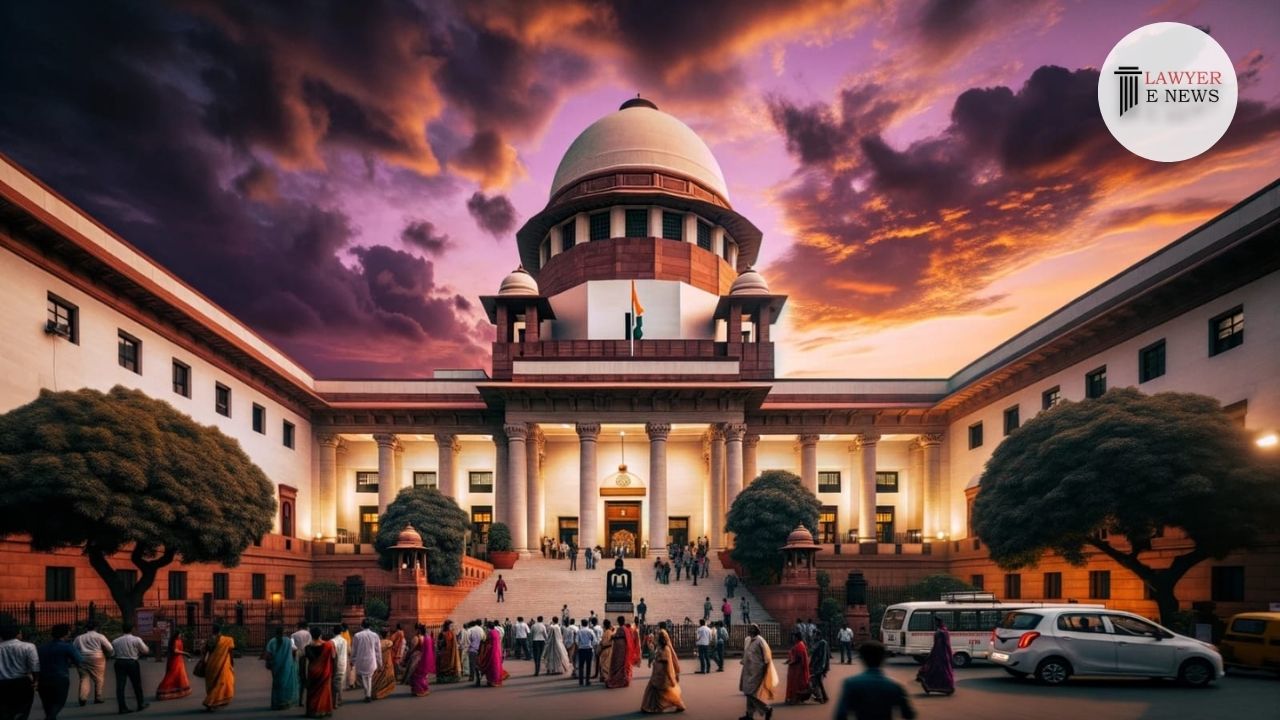
In a recent turn of events, the Supreme Court has granted special leave in the case of Shiv Kumar Sharma vs. The State of Madhya Pradesh & Ors., describing the High Court's approach as "very strange and contrary to law." The apex court has allowed the appeal and has restored the petition that was previously dismissed by the High Court.
The High Court had earlier rejected a petition under Section 482 of the Code of Criminal Procedure, 1973, which was filed by Sharma seeking the quashing of the First Information Report (FIR) against him. The Supreme Court, in its observation, noted that the High Court did not address the merits of the appellant's case and made an unusual comment regarding the duties of the Investigating Officer before submission of the final report under Section 173 CrPC.
"Such approach is very strange and contrary to law," the Supreme Court bench, comprising Justice Abhay S. Oka and Justice Pankaj Mithal, remarked in their order, expressing clear disapproval of the High Court’s handling of the case.
By setting aside the High Court's impugned judgment dated April 12, 2023, the Supreme Court has directed the Registrar (Judicial) of the Madhya Pradesh High Court to list the restored petition before the roster Bench on December 8, 2023. The Supreme Court’s intervention has provided the appellant with an opportunity to have his case reconsidered on its merits.
Further, to ensure that Sharma's case is judiciously reviewed, the Supreme Court has extended the interim relief initially granted to him on August 18, 2023, until January 8, 2024. The appellant has also been given the liberty to apply for the continuation of this interim relief if the remanded case is not decided by the aforementioned date.
This decision by India’s top court underscores the judiciary’s commitment to ensuring that every individual’s case is heard fairly and on its own merits, and that procedural irregularities are rectified. The court’s ruling also emphasizes the importance of the investigative agencies adhering strictly to the protocols established by law.
The matter has now been scheduled for a hearing before the High Court of Madhya Pradesh, and the High Court has been instructed to decide the case without being influenced by the interim relief granted by the Supreme Court. The apex court has left all contentions open for the High Court's consideration.
The Supreme Court's decision to grant relief in this case highlights the system of checks and balances inherent in the Indian judiciary and reinforces the right to a fair trial.
Date of Decision: October 30, 2023
SHIV KUMAR SHARMA VS THE STATE OF MADHYA PRADESH & ORS.