-
by sayum
22 October 2026 11:50 AM







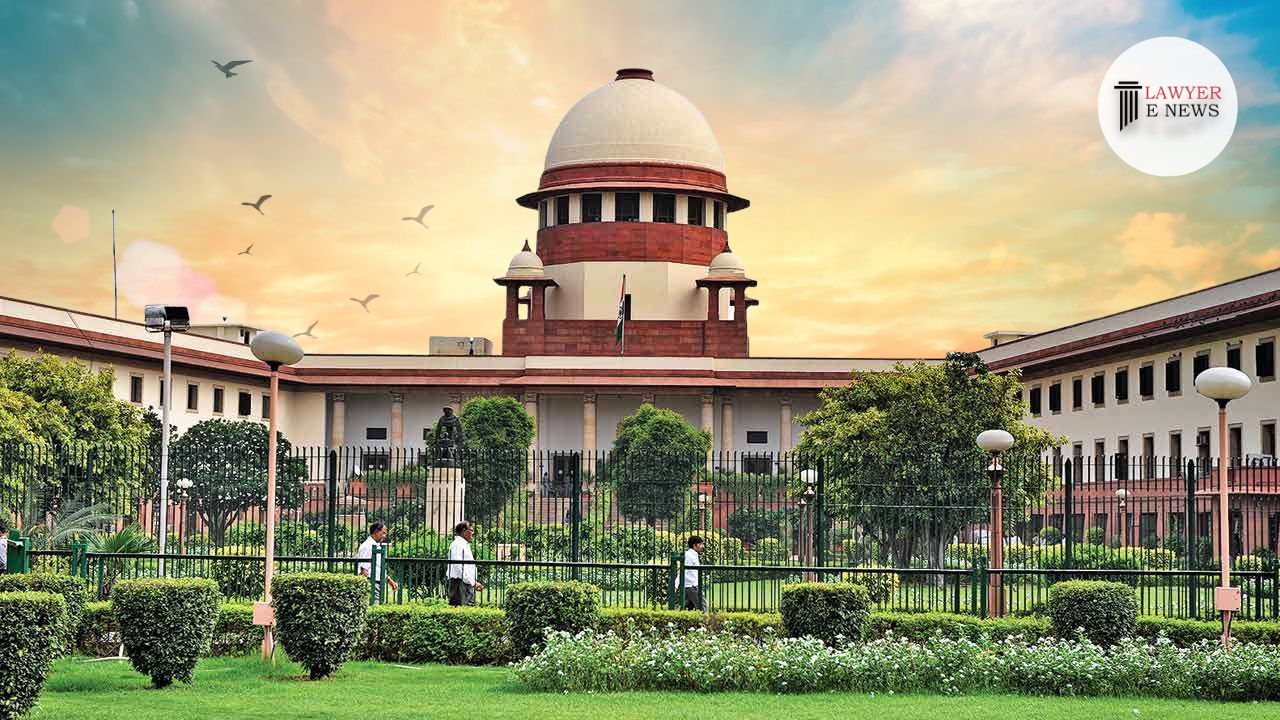
In a significant ruling, the Supreme Court of India has set aside the decision of the High Court and restored a civil suit pertaining to the declaration of certain sale deeds as illegal back to the Trial Court. The judgment, delivered by Hon’ble Mr. Justice A.S. Bopanna and Hon’ble Mr. Justice M.M. Sundresh, highlights the importance of considering the adequacy of prayers in a suit and emphasizes that such matters should be determined during the course of the suit itself rather than at the stage of an application under Order VII Rule 11 of the Code of Civil Procedure (CPC).
The appellant, Sajjan Singh, had filed the suit seeking a declaration that the sale deeds executed on 3rd December 2015 and 26th February 2016 were illegal. The respondents challenged the adequacy of the prayer made in the plaint and filed an application under Order VII Rule 11 of the CPC. Initially, the Trial Court dismissed the application, but the High Court, in a revision petition, allowed the application, resulting in the rejection of the plaint.
The Supreme Court, after hearing arguments from both sides, observed that the adequacy of the prayer should be determined during the course of the suit and not at the stage of the Order VII Rule 11 application. The Court stated, “Whether an appropriate prayer should have sought, is a matter ultimately to be decided in the suit and not an issue to be considered while deciding the application under Order VII Rule 11 of CPC.” Consequently, the Supreme Court set aside the High Court’s order and restored the civil suit to the Trial Court for further proceedings.
The judgment emphasizes that the contentions raised by the respondents can be addressed in the written statement, and the Trial Court is directed to frame appropriate issues accordingly. All parties are given the opportunity to present their contentions during the trial.
Apex Court stated, “To that extent, we take note that the prayer, as made, in any event, had been valued and the court fee has been paid... Whether an appropriate prayer should have sought, is a matter ultimately to be decided in the suit and not an issue to be considered while deciding the application under Order VII Rule 11 of CPC, in the manner in which it had been done in the facts and circumstances arising in the instant case.”
This ruling by the Supreme Court clarifies the procedure for considering prayers in a suit and emphasizes the importance of determining such matters during the course of the trial rather than at the initial stage of an application. It also highlights the Court’s commitment to ensuring fair and just proceedings, allowing all parties to present their contentions in accordance with the law.
Date of Decision: 6th July 2023
SAJJAN SINGH vs VERSUS JASVIR KAUR & ORS.