-
by sayum
04 October 2026 12:06 PM







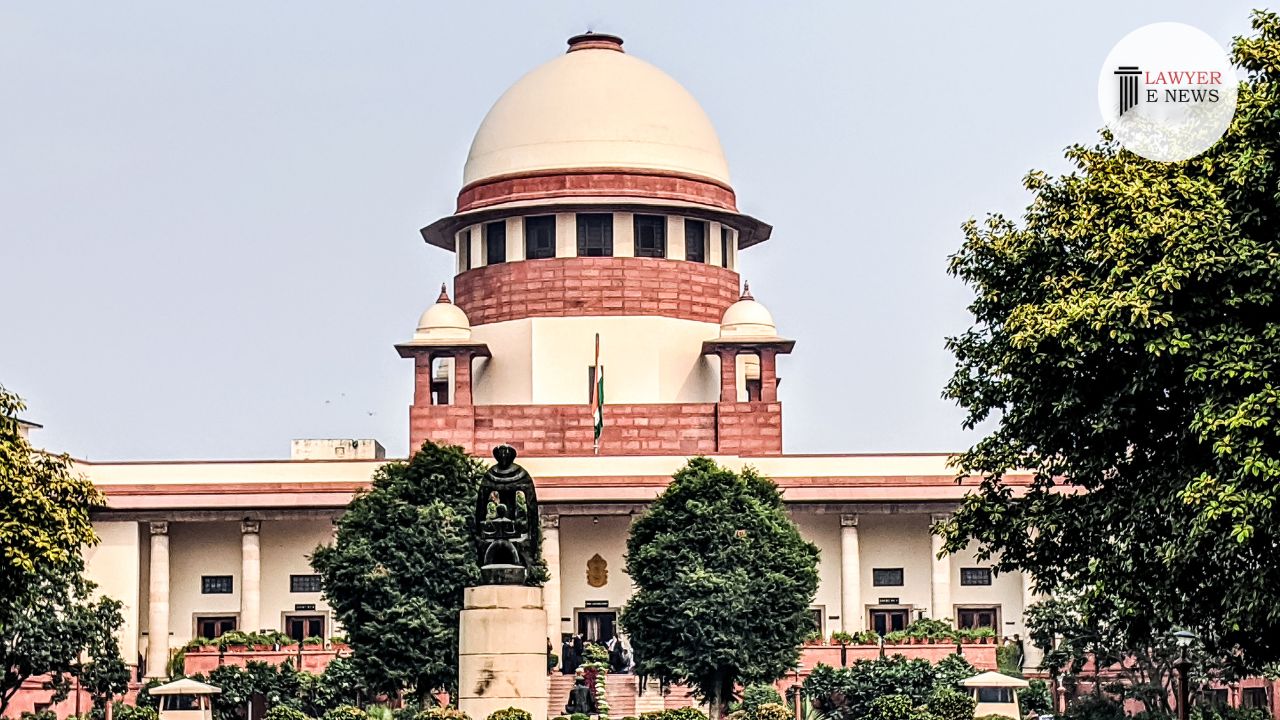
In a significant judgment, the Supreme Court has dismissed an appeal and upheld the life sentence of a husband who was convicted of causing the death of his wife by setting her ablaze. The case, involving Sections 302 and 498A of the Indian Penal Code, had gone through multiple stages of legal proceedings, ultimately leading to the conviction of the accused.
The court’s observations in the judgment shed light on the reasoning behind this decision. The verdict stated, ”The appeal lacks merit due to overwhelming evidence proving the appellant’s guilt in the intentional act of murder.” This highlights the court’s reliance on substantial evidence presented during the trial.
The crucial aspect of the case revolved around the evidence provided, including multiple dying declarations by the deceased wife. The judgment noted, ”Two dying declarations by the deceased wife, one before Judicial First Class Magistrate and the other recorded by Head Constable, along with the corroborative testimonies of other witnesses, establish the appellant’s act of setting his wife ablaze after she poured kerosene on herself amidst a quarrel.” This emphasizes the significance of these declarations in establishing the guilt of the appellant.
The appellant had argued for a charge under Section 304 Part-II of the IPC, citing a lack of premeditation and a sudden quarrel. However, the court rejected this argument, stating, ”The act of setting ablaze was deliberate with a history of domestic quarrels, thus not falling within the ambit of Exception 4 to Section 300 IPC, and hence confirmed as murder under Section 302 IPC.” This decision highlights the court’s interpretation of the law in the context of the case.
The judgment also addressed the appellant’s liberty, noting, ”Conviction and sentence of life imprisonment upheld with a note on appellant’s liberty to apply for remission as per state policy.” This indicates that the court has considered the appellant’s potential for remission in the future.
Supreme Court’s decision in this case underscores the importance of strong evidence and the application of relevant legal provisions. The conviction and life sentence of the appellant have been upheld, sending a message about the consequences of deliberate acts leading to loss of life.
Date of Decision: NOVEMBER 01, 2023
ANIL KUMAR VS STATE OF KERALA