-
by sayum
23 August 2026 2:56 PM







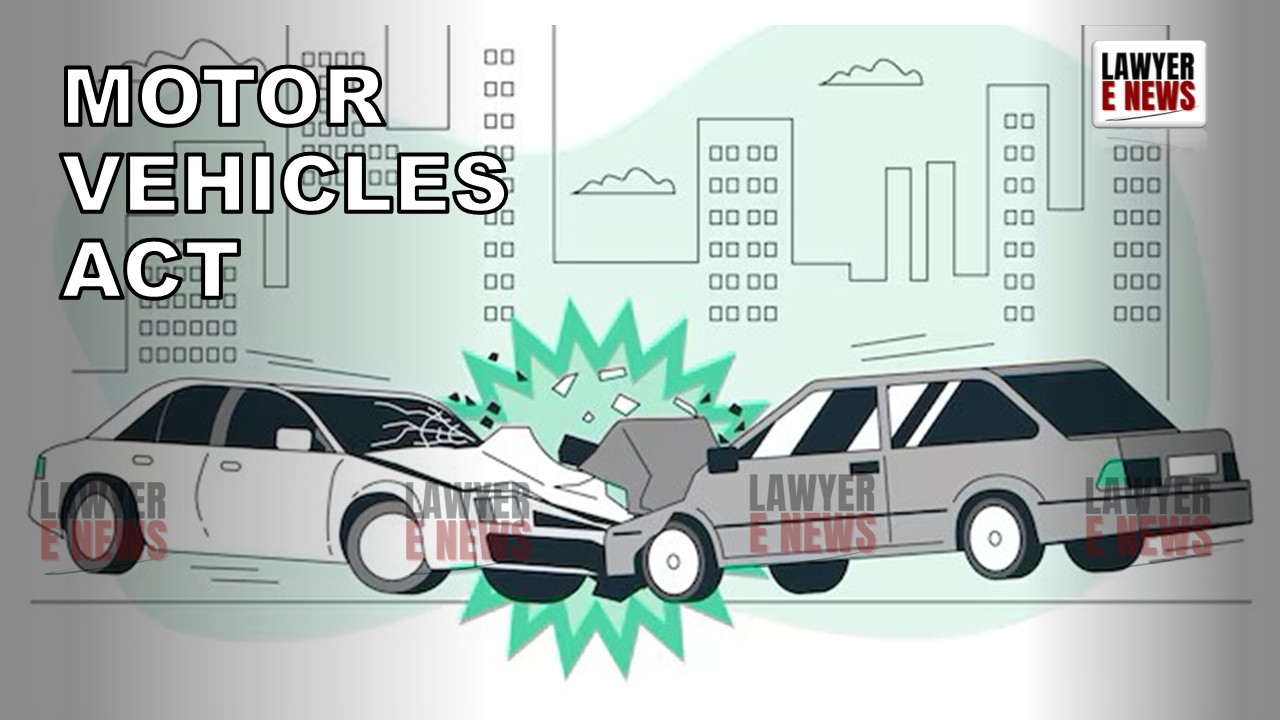
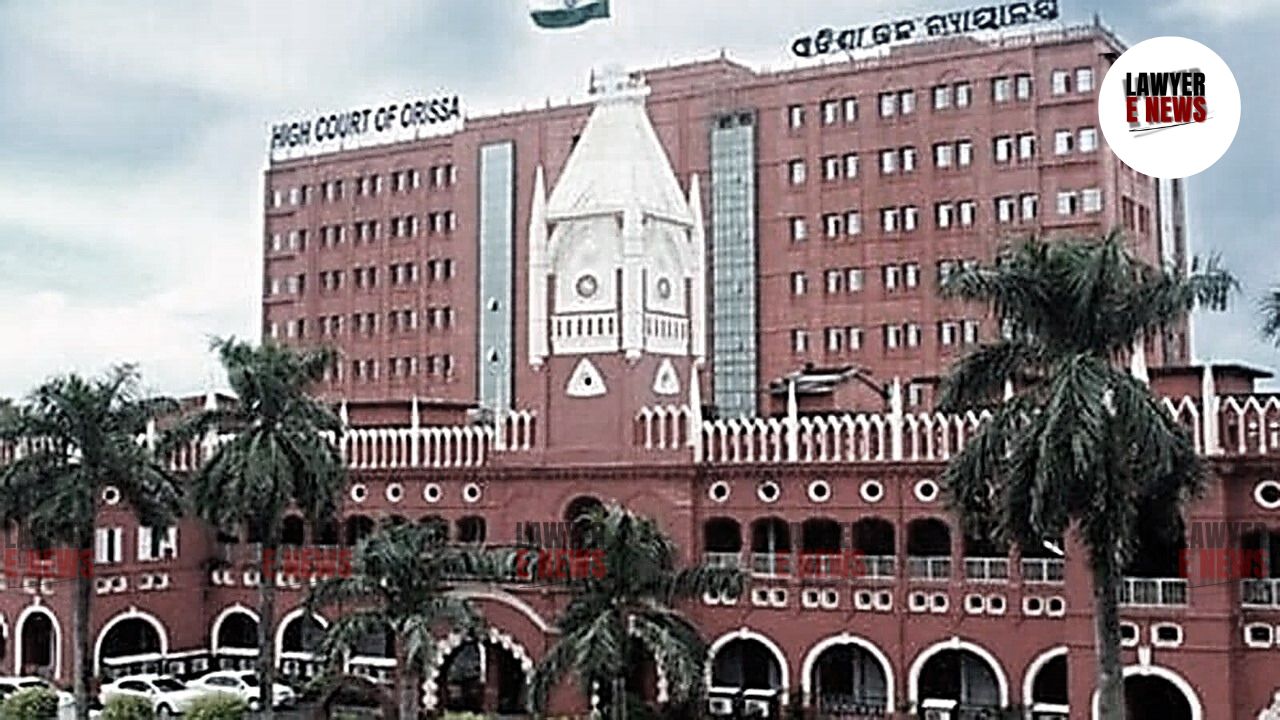
“The amount which is paid exclusively for the employee cannot be counted towards the benefit of the family and as such, cannot be included in quantification of total income for the purpose of assessment of compensation.”— In a seminal ruling, the Orissa High Court, comprising Justice V. Narasingh, allowed an appeal filed by the dependents of a deceased helper, holding that allowances meant for personal sustenance cannot be clubbed with salary to disqualify a claim under the structured formula of the Motor Vehicles Act.
The Controversy: Income Cap under Section 163A
The appeal arose from an award passed by the District Judge-cum-1st M.A.C.T., Nayagarh, which had dismissed the claim petition at the threshold. The Tribunal held that the application under Section 163A of the Motor Vehicles Act, 1988 was not maintainable because the annual income of the deceased exceeded the statutory cap of ₹40,000/-.
The deceased, Pitabas Biswal, was employed as a helper-cum-co-driver with a monthly salary of ₹3,300/-. Additionally, he received a daily fooding allowance of ₹150/-. The Tribunal aggregated these amounts, concluding that the total annual income surpassed the eligibility limit for the Second Schedule, thereby rejecting the claim.
Distinguishing Personal Perks from Family Income
The primary legal question before the High Court was whether a "fooding allowance" constitutes income for the purpose of determining eligibility under Section 163A. The Court relied heavily on the Supreme Court’s ratio in National Insurance Co. Ltd. v. Indira Srivastava, which distinguishes between remuneration that benefits the family and perks meant exclusively for the employee's personal use.
Justice Narasingh observed that the Tribunal failed to appreciate this nuance. The Court held that an allowance paid specifically for the employee's sustenance (fooding) does not translate into a contribution to the family kitty.
“The use of the expression ‘contradistinguished’ by the Apex Court, while dealing with the aspects of income exclusively meant for the individual vis-a-vis the computation of the monthly income of a family, has to be given its full play.”
Consequently, the High Court excluded the daily fooding allowance from the income computation. The deceased's income was restricted to his salary of ₹3,300/- per month (₹39,600/- per annum), bringing it within the statutory cap and rendering the claim maintainable.
Insurer’s Liability Under Package Policy
The Insurance Company had argued that the policy did not cover the risk of a helper as no extra premium was paid. However, upon examining the insurance policy produced during the hearing, the Court noted it was a Comprehensive Package Policy.
The policy explicitly covered employees of the owner (not exceeding three). Since the deceased was a helper employed by the owner, the Court rejected the insurer's plea and held them liable to indemnify the owner.
Beneficial Legislation: Avoiding Remand
Although the Tribunal had not adjudicated on other issues after dismissing the claim on maintainability, the High Court declined to remand the matter. Citing the beneficial nature of the Motor Vehicles Act and the fact that the accident occurred in 2012, Justice Narasingh proceeded to determine the quantum of compensation to prevent further litigation delays.
“It would be unjust to throw the claimants into the quagmire of further litigation, keeping in view that the legislation in question is a beneficial one.”
The Court assessed the compensation based on the annual income of ₹39,600/-. After deducting one-third for personal expenses, the loss of dependency was calculated. Adding general damages, the total compensation was fixed at ₹4,84,700/- along with 6% interest from the date of application.
The Insurance Company has been directed to deposit the amount within three months.
Date of Decision: 09/01/2026