-
by sayum
08 October 2026 6:24 AM







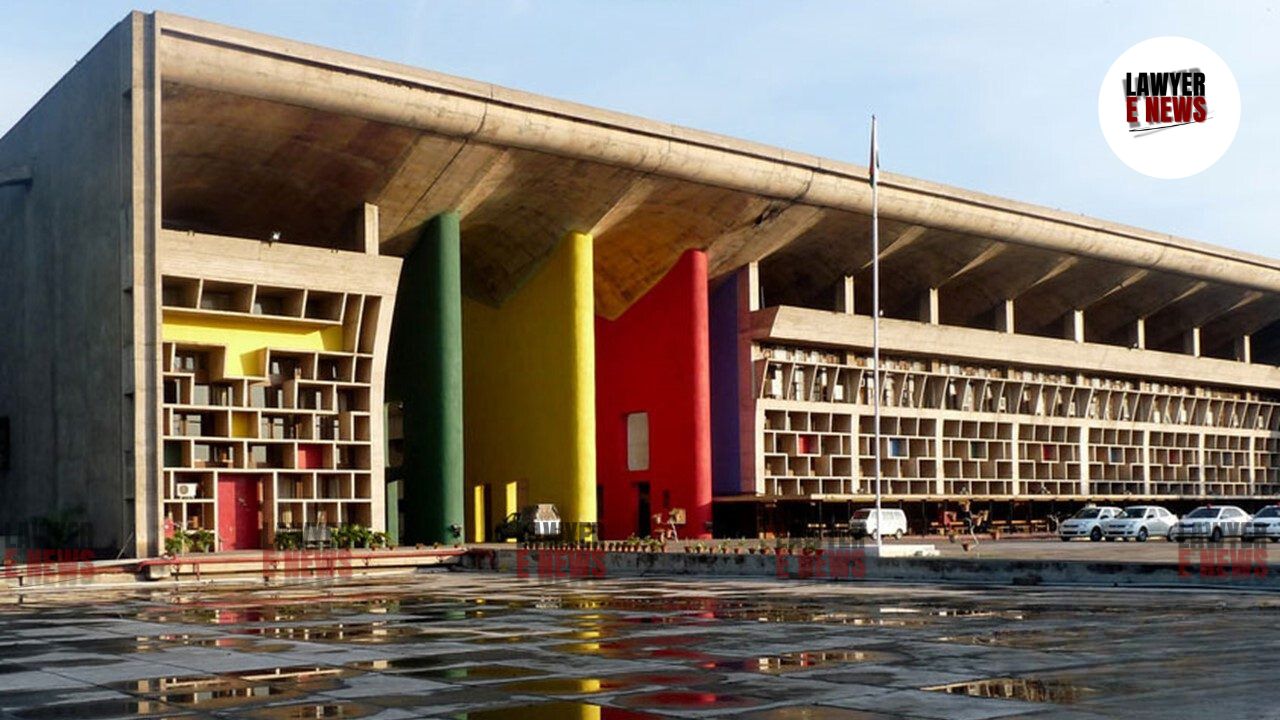
"The principle underlying Section 13 is that a Civil Court cannot assume jurisdiction over a matter, which the statute has expressly entrusted to the authorities constituted under the Act. It cannot, however, be invoked mechanically to oust the ordinary jurisdiction of the Civil Court in a dispute between private parties, where the relief sought does not require adjudication of a statutory question falling within the exclusive jurisdiction of the revenue authorities." Punjab and Haryana High Court, in a ruling dated September 24, 2026, has clarified that the bar on civil court jurisdiction under Section 13 of the Punjab Village Common Lands (Regulation) Act, 1961, does not apply to suits where the dispute is primarily between private parties seeking injunctive relief, rather than a declaration of title against a Gram Panchayat.
Justice Deepak Gupta observed that the statutory exclusion cannot be invoked mechanically to oust the court’s authority when the core controversy does not involve adjudicating whether a property vests in the Panchayat.
The litigation involved a suit for permanent injunction filed by the plaintiffs, who claimed that a disputed well situated in Abadi deh was a public property used by the local community for generations. The appellant-defendant No.1 contended that the well was his ancestral private property and that the civil court lacked jurisdiction to entertain the suit due to the provisions of the 1961 Act. Both the trial court and the first appellate court concurrently ruled in favor of the plaintiffs, leading to the present Regular Second Appeal.
Scope of Section 13 Jurisdiction
The primary legal issue before the High Court was whether the civil court’s jurisdiction was barred by Section 13 of the Punjab Village Common Lands (Regulation) Act, 1961. The appellant argued that any dispute concerning the nature of land in village Abadi falls exclusively within the domain of the revenue authorities under the Act.
Court Distinguishes Between Title Disputes and Injunction Suits
The High Court held that Section 13 expressly excludes jurisdiction only in matters entrusted to authorities under the Act, such as determining if a property is shamlat deh or whether it vests in the Panchayat. In this case, the plaintiffs did not seek a declaration of title against the Gram Panchayat, nor were they challenging any statutory action taken under the 1961 Act.
No Mechanical Invocation of Statutory Bar
The bench emphasized that the nature of the relief sought determines the court's jurisdiction. Because the suit was a simple injunction between private parties to prevent obstruction of a well, it did not necessitate an adjudication of statutory ownership rights. Therefore, the invocation of the bar under Section 13 was legally misconceived.
Court Upholds Concurrent Findings of Fact
Regarding the second contention, the appellant attempted to re-appreciate the evidence to establish the well as private property. The High Court rejected this, noting that the trial and first appellate courts had concurrently found the well to be public based on oral evidence, Lambardar testimony, Jamabandi records, and the proximity of public infrastructure like an electricity transformer.
Evidence Appreciation in Second Appeal
The court reiterated that concurrent findings of fact based on a holistic assessment of oral and documentary evidence cannot be disturbed in a Regular Second Appeal unless they are shown to be perverse or based on no evidence. The appellant failed to demonstrate any such material illegality or misreading of evidence by the lower courts.
Finding no substantial question of law to be addressed, the High Court dismissed the Regular Second Appeal. The ruling reaffirms that civil courts retain their inherent jurisdiction to protect public rights through injunctions when the dispute does not strictly involve the statutory determination of shamlat land ownership.
Date of Decision: 24 September 2026