-
by sayum
26 October 2026 4:04 PM







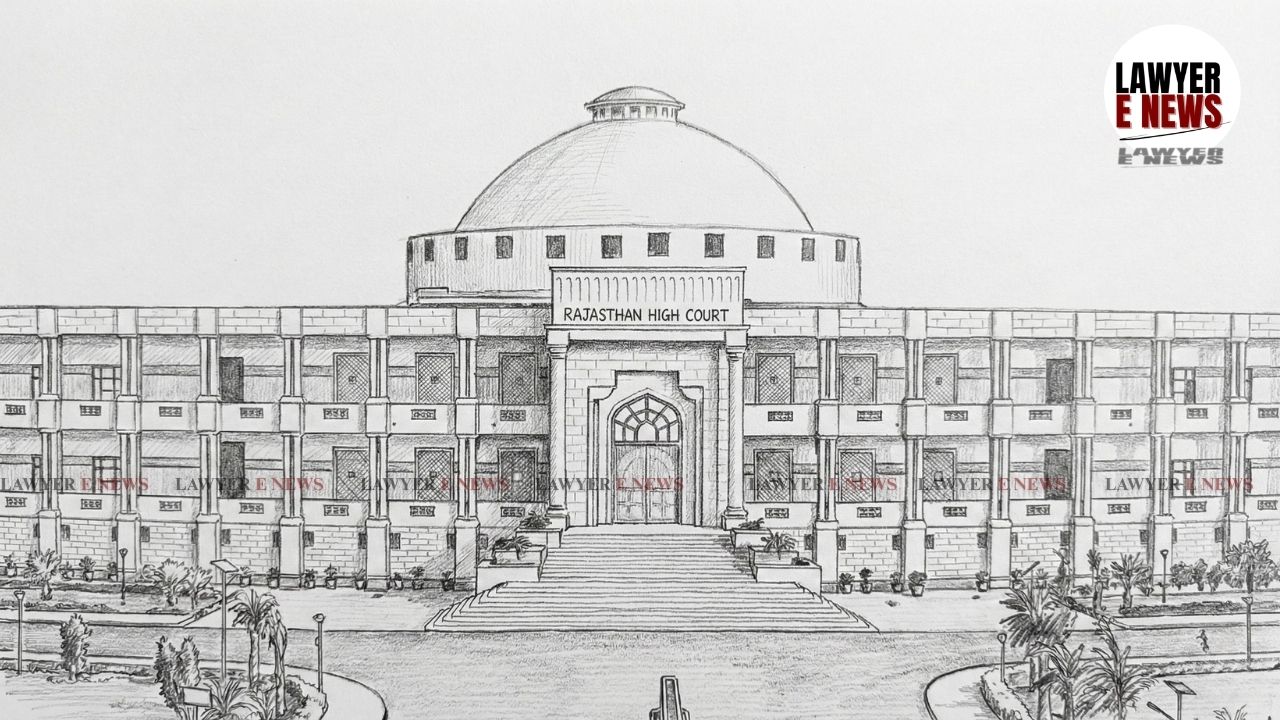
"At this stage, and on the basis of the material presently available on record, such allegations, by themselves, do not prima facie constitute instigation, intentional aid or any other act amounting to abetment of suicide so as to satisfy the essential ingredients of Section 108 of the BNS." Rajasthan High Court, in a significant ruling dated 29 September 2026, held that mere allegations of taunts or harassment regarding the inability of a woman to bear a male child do not, without further evidence, satisfy the essential ingredients of "abetment" required to sustain a charge under Section 108 of the Bharatiya Nyaya Sanhita (BNS), 2023.
Justice Sanjeet Purohit observed that to attract the offence of abetment to suicide, the prosecution must establish active instigation or intentional aid, which cannot be presumed solely from domestic discord.
The applicant, Balavant Singh, sought bail in connection with FIR No. 58/2026 registered at Police Station Sarwana, Jalore, for offences under Sections 85 and 108 of the BNS. The complainant alleged that his daughter, who had been married to the applicant for 15 years, committed suicide due to consistent harassment over dowry and the fact that she had only borne two daughters. The investigation culminated in a charge-sheet against the applicant, leading to his judicial custody.
The primary question before the court was whether the material collected during the investigation prima facie established the essential ingredients of "abetment to suicide" under Section 108 BNS. The court was further called upon to determine whether the statutory presumption under Section 117 of the Bharatiya Sakshya Adhiniyam, 2023, could be invoked in the facts of the present case.
The Court noted that the death of the deceased occurred after more than seven years of marriage, which categorically precludes the application of the statutory presumption under Section 117 of the Bharatiya Sakshya Adhiniyam, 2023. The Bench emphasized that the burden of proof rests heavily on the prosecution to establish a causal link between the conduct of the accused and the suicide of the deceased.
No Presumption Of Abetment
Analyzing the statements of the complainant, the Court observed that the marriage had been generally stable for approximately 8–9 years, with tensions arising only in the latter years. The court noted that there was no specific evidence of a fresh demand for dowry or a direct act of provocation on the day of the incident. The Court held that isolated incidents of domestic strife or taunts do not necessarily cross the threshold of "instigation."
"The post-mortem report prima facie indicates death due to ante-mortem hanging, with no other external injuries noted on the deceased. In these circumstances, the question at this stage is whether, in the absence of prima facie material showing instigation, intentional aid, or any other act constituting abetment, can the applicant be said to have prima facie committed the alleged offences."
Absence Of Direct Evidence
The Court further observed that the applicant had previously taken the deceased for medical treatment following an earlier suicide attempt, suggesting an absence of the requisite mens rea to abet the commission of suicide. The Bench underscored that Section 108 BNS requires a clear demonstration of a "willful act" or "omission" intended to drive the victim to end their life, which remained absent in the current evidentiary record.
Bail Granted To Applicant
Taking into account that the investigation is complete, the charge-sheet is filed, and the trial is unlikely to conclude in the near future, the Court deemed continued incarceration unnecessary. The applicant was granted bail, subject to the execution of a personal bond of Rs. 50,000 and two sureties, while stressing that these observations are confined strictly to the bail proceedings and shall not prejudice the trial court’s independent evaluation of the evidence.
Date of Decision: 29 September 2026