-
by sayum
26 October 2026 4:04 PM







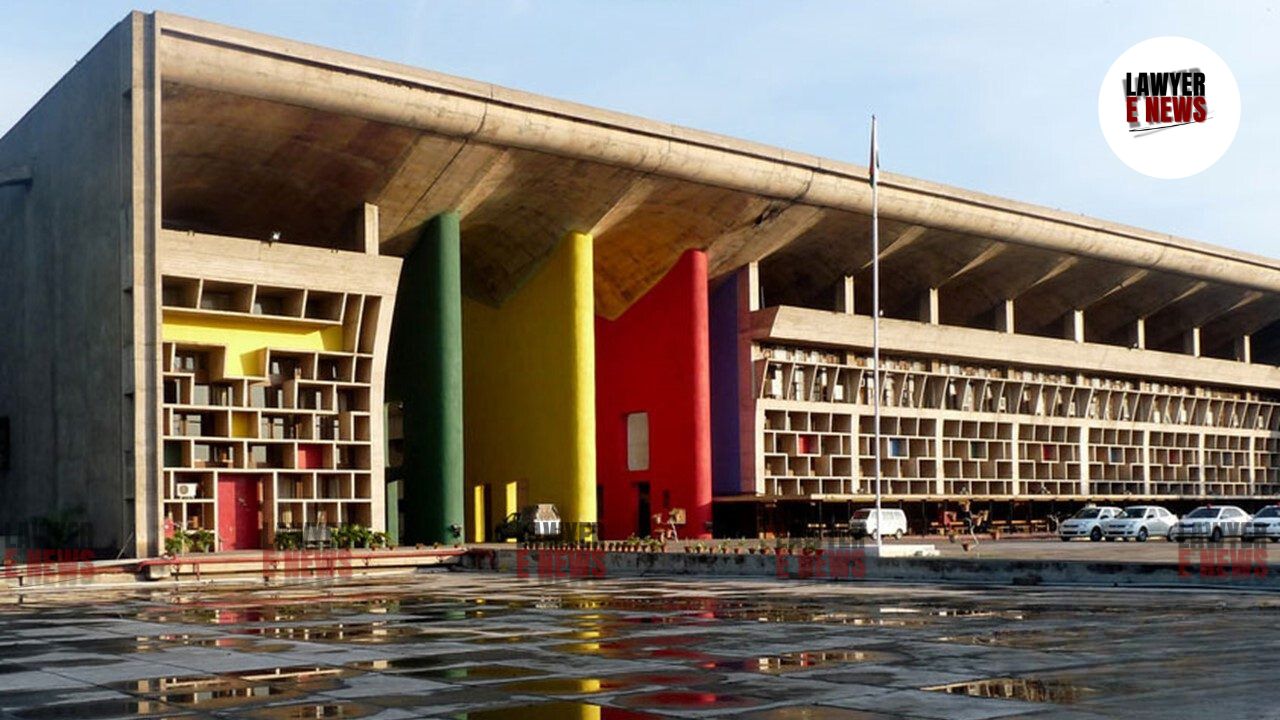
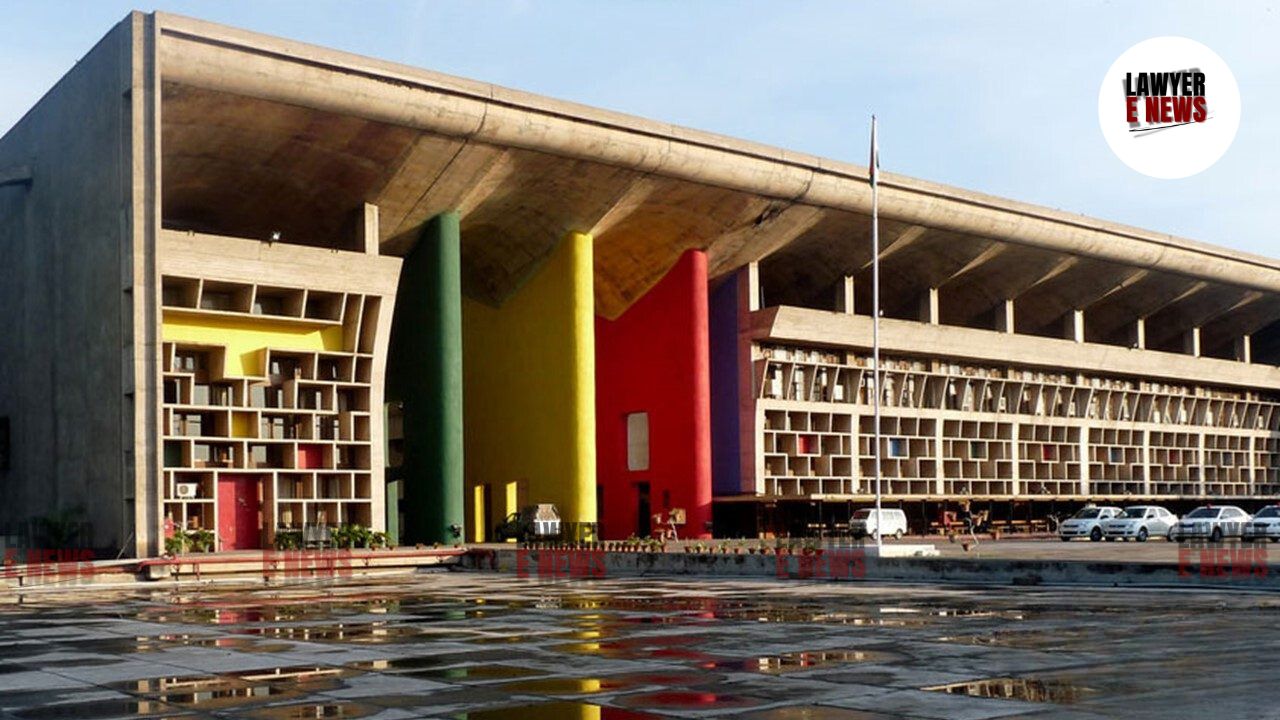
"Undue hot-haste, on part of the respondents in proceeding against petitioner’s farm stay is nevertheless clearly evidenced. All this happened soon after filing of the present writ petition." Punjab and Haryana High Court, in a significant ruling dated 05 October 2026, held that the State’s exercise of demolition powers against an Advocate-petitioner—immediately following his filing of a Public Interest Litigation (PIL) highlighting corruption—evidences apparent malice and is a clear attempt to silence a whistleblower.
A division bench comprising Chief Justice Ashwani Kumar Mishra and Justice Rohit Kapoor observed that such "undue hot-haste" by State authorities, particularly when proceedings had remained dormant for nearly two years, constitutes an abuse of power aimed at intimidating the petitioner.
The petitioner, an Advocate and whistleblower, filed a PIL alleging widespread corruption, including "cash for transfers" and manipulation of government tenders, involving senior Punjab government officials. The petition relied on materials shared by the Enforcement Directorate (ED) under Section 66(2) of the Prevention of Money-Laundering Act, 2002. Shortly after the petition was filed and notice was issued, the Greater Mohali Area Development Authority (GMADA) issued an ex-parte demolition notice against the petitioner’s farm stay, despite a show-cause notice from November 2024 having remained stagnant for nearly 22 months.
Court’s Observations on Malafide Demolition
The Court noted that the petitioner had responded to the 2024 show-cause notice, and the State had taken no further action until the present litigation was initiated. The bench remarked that the sudden, aggressive revival of these proceedings—without providing a speaking order to the petitioner—strongly suggests a retaliatory motive. The Court expressed severe displeasure at the "unnatural" timing of the demolition notice, which was clearly designed to pressure the petitioner into abandoning his legal challenge against high-ranking State officials.
"Undue Hot-Haste" in Administrative Action
The Court emphasized that while it would not delve into the legality of the petitioner's construction, the timing of the State’s action was demonstrably mala fide. The bench observed that the authorities acted in a manner suggesting that the demolition was a tool to deflect accountability and intimidate an officer of the court who was acting in public interest. The bench was compelled to intervene at late-night hours to prevent the irreparable damage of demolition, noting that such administrative aggression undermines the rule of law and the sanctity of judicial proceedings.
Observing that the Punjab Police had failed to register an FIR despite receiving serious evidence of cognizable offences from the ED, the Court transferred the investigation to the Central Bureau of Investigation (CBI). The bench directed the CBI to register an FIR forthwith and submit a status report within two months, while the State of Punjab and its police force were ordered to provide full assistance to the investigation, effectively stripping the State administration of its ability to influence the probe.
Date of Decision: 05 October 2026