-
by sayum
26 October 2026 4:04 PM







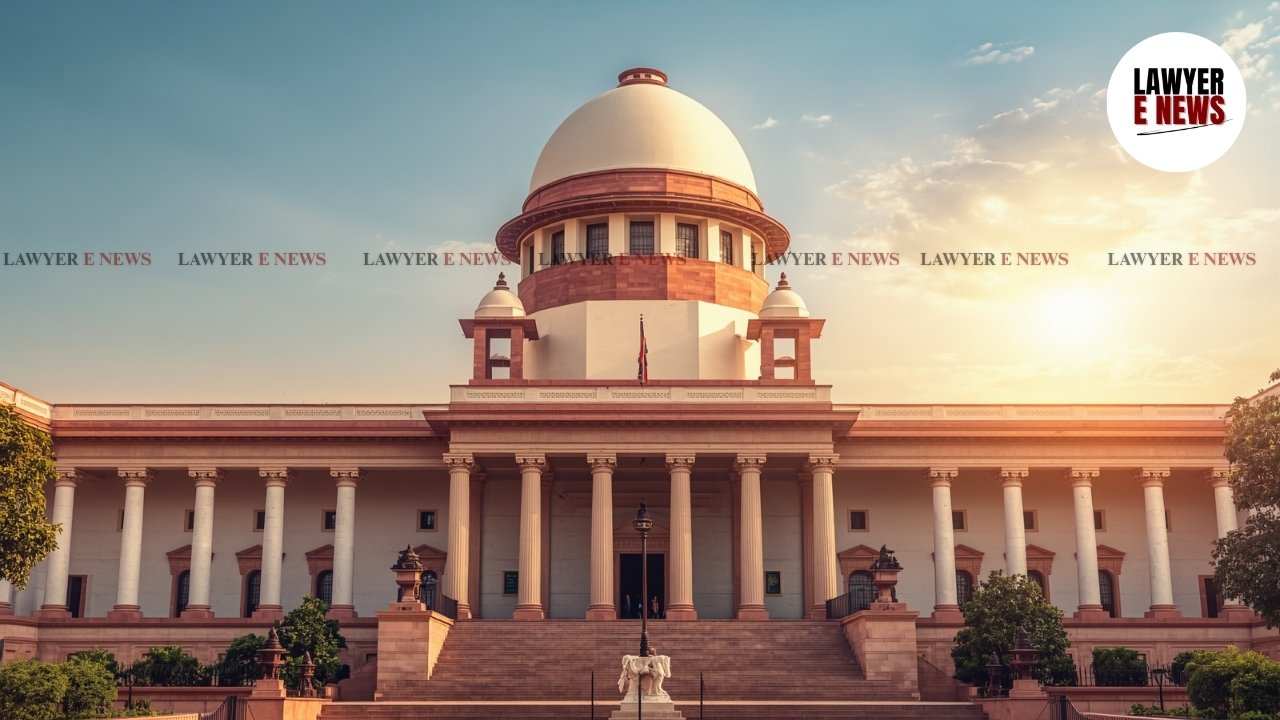
"Any amount paid/received without the authority of law can always be recovered barring few exceptions of extreme hardships but not as a matter of right, in such situations law implies an obligation on the payee to repay the money, otherwise it would amount to unjust enrichment." Supreme Court, in a ruling dated September 23, 2026, held that recovery of excess payments made by mistake is legally permissible when the employee has explicitly furnished an undertaking agreeing to such refund.
A bench comprising Justice Dipankar Datta and Justice Sheel Nagu observed that the court’s intervention to prevent recovery is not an absolute right but depends on the specific facts of each case, especially when the employer-employee relationship is governed by a prior contractual undertaking.
Establishment of the Legal Position
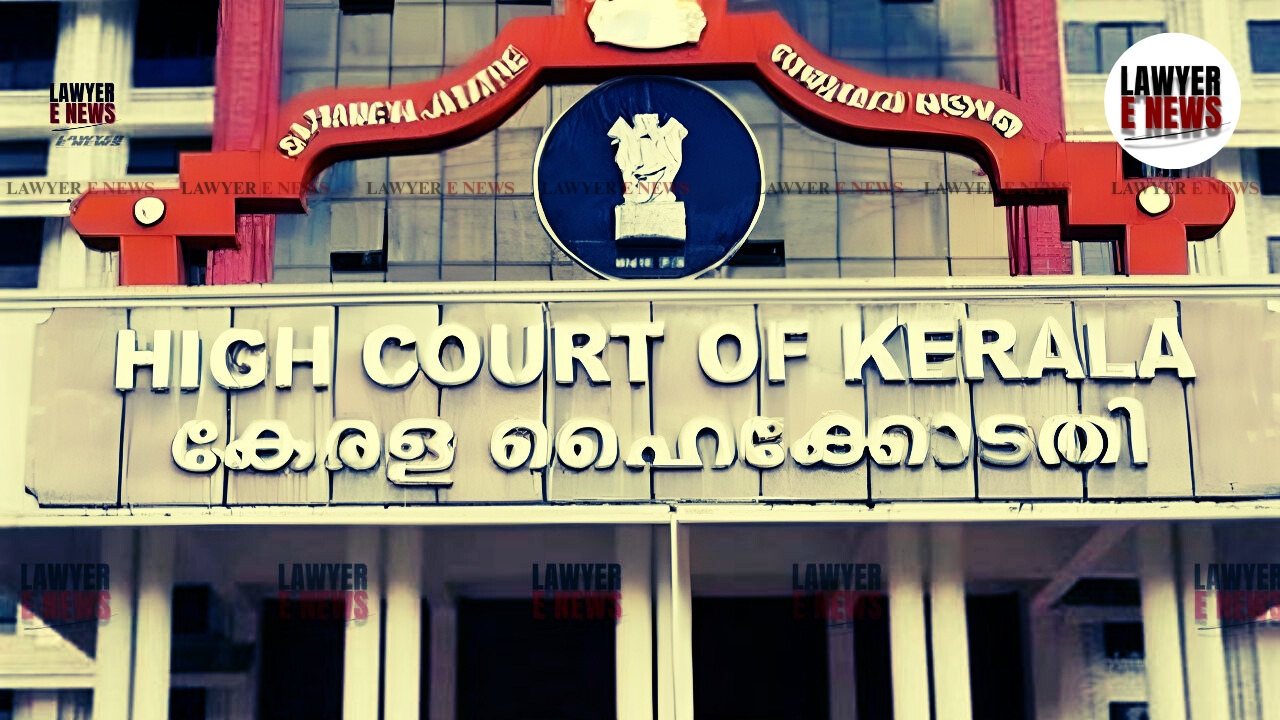
The dispute reached the Apex Court after the Division Bench of the Kerala High Court reversed a Single Judge's decision that had restrained the National Institute of Technology from recovering excess Academic Grade Pay paid to Lecturers and Assistant Professors. The employees had argued that, under the principles laid down in State of Punjab v. Rafiq Masih, any recovery of excess payment by an employer is impermissible, particularly in cases involving hardship.
The primary question before the court was whether financial benefits extended voluntarily by an employer, without any fraud or misrepresentation by the employees, could be recovered after the discovery of a pay-fixation error. The court was also called upon to determine the applicability of an undertaking furnished by employees regarding the refund of any excess payments found upon re-fixation.
Rejection of the 'Hardship' Argument
The Supreme Court clarified that the precedents regarding the protection against recovery must be read with caution and cannot be applied in isolation, especially when there is a specific undertaking given by the employee. The court emphasized that the decision in Chandi Prasad Uniyal v. State of Uttarakhand correctly declared the law regarding the recovery of public money paid due to a bona fide mistake.
Court Distinguishes Between Precedents
The bench noted that while Rafiq Masih and other similar cases have discussed "hardship," they do not create an absolute bar on recovery. The court underscored that a distinction must be drawn between cases where the court invokes its plenary power under Article 142 of the Constitution to do complete justice and cases where the law is declared under Article 136, which serves as a binding precedent under Article 141.
Binding Nature of Undertakings
Regarding the specific facts of the case, the court pointed to the undertaking signed by the appellants, designated as Exhibit R2(c), wherein they explicitly permitted the recovery of amounts in the event of an erroneous pay fixation. The court held that once such an undertaking is on record, the employees are bound by it, and they cannot subsequently claim protection against the recovery of money to which they were never entitled.
Need for Evidence of Hardship
The court further observed that no plea of hardship was raised by the appellants in their initial writ petitions. It reiterated that "whether recovery of money would result in hardship has to be determined on the facts of each particular case," and that the burden lies upon the employee to prove that the recovery would be iniquitous or that the money has been spent in a way that renders recovery impossible.
No Absolute Right Against Recovery
"The question to be asked is whether excess money has been paid or not, may be due to a bona fide mistake... any amount paid/received without the authority of law can always be recovered barring few exceptions of extreme hardships."
In the absence of any claim of fraud or misrepresentation on the part of the employer, the court affirmed that the administration has the right to rectify a bona fide mistake. The court also noted that the reliance placed by the appellants on a government letter from 2013 was unavailing, as the recovery had already been effected well before the litigation commenced.
Final Order of the Court
Concluding that the appellants were not entitled to the financial benefits originally granted, the Supreme Court dismissed the appeals as being devoid of merit. The court maintained that the administrative rectification of the error was legally sound, particularly in light of the voluntary undertaking provided by the employees, and directed that the parties shall bear their own costs.
Date of Decision: 23 September 2026