-
by sayum
28 August 2026 2:11 PM








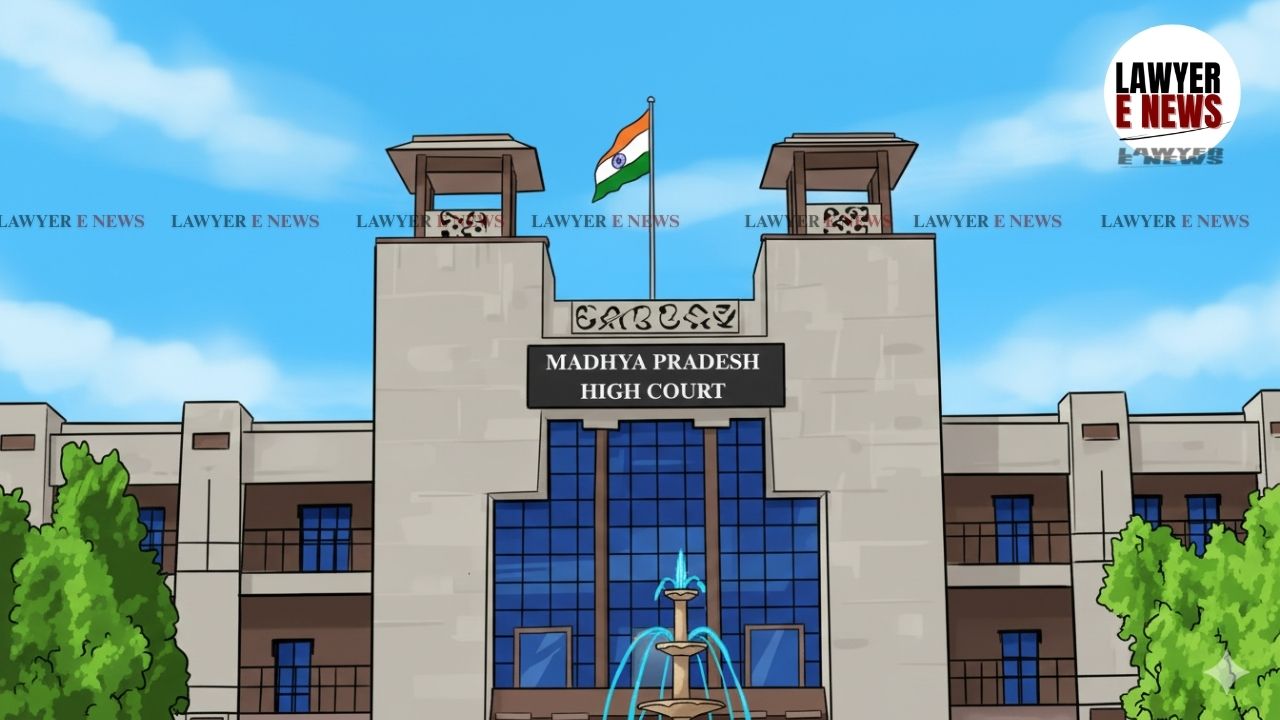
“It was not open for the High Court, in exercise of review jurisdiction, to re-consider the very same contention and hold otherwise” — Supreme Court Supreme Court of India in High Court of Madhya Pradesh & Anr. v. Jyotsna Dohalia & Anr. delivered a crucial judgment curbing the overreach of review powers. The Bench of Justices Pamidighantam Sri Narasimha and Atul S. Chandurkar set aside a Division Bench order of the Madhya Pradesh High Court which had, in exercise of review jurisdiction, directed a fresh main examination in the Civil Judge (Entry Level) recruitment. Declaring that the High Court had “exceeded its jurisdiction,” the apex court reaffirmed that review cannot be converted into an appellate forum merely on the basis of “apprehensions” of candidates.
“Apprehensions cannot substitute proof of error apparent” — Apex Court draws the line
The dispute arose after the Madhya Pradesh Judicial Service Rules, 1994 were amended on June 23, 2023, tightening eligibility norms. An advertisement dated November 17, 2023 invited applications for 199 posts of Civil Judge. The respondents, despite failing to reach the preliminary cut-off of 113 marks, argued that once ineligible candidates were excluded, the cut-off would fall, entitling them to the main exam. Their writ petition was dismissed on May 7, 2024 with the categorical observation that “the admitted position being that cut off marks in the eligibility examination could not be obtained by the petitioners, no relief can be extended to them.” Yet, in review, the Division Bench on June 13, 2024 accepted the same contention, recalled its order, and ordered recomputation of cut-offs and a fresh main examination.
The Supreme Court disapproved this, stressing that “such exercise could have been undertaken only in appellate jurisdiction and not in review jurisdiction.” The Bench highlighted that review power exists only to rectify an “error apparent on the face of the record,” not to reargue the merits already settled.
“Review jurisdiction is not meant to buy time or secure a second chance” — Court restores finality
The apex court noted that the High Court had already addressed the respondents’ fear that ineligible candidates might distort the results, holding it to be a mere speculation. Reopening that issue in review was impermissible. The Court observed that “the contention raised by the respondents based on a likelihood of reduction in the cut-off marks having been turned down, it was not open for the High Court, in exercise of review jurisdiction, to re-consider the very same contention and hold otherwise.”
It also clarified that the second main examination conducted for physically impaired candidates could not justify a third round for general candidates, as that process was “distinct and restricted only for physically impaired candidates.”
“Recruitment must reach finality” — Directions from the Supreme Court
The Court set aside the impugned order of June 13, 2024, dismissed Review Petition No.620 of 2024, and directed the Madhya Pradesh High Court to “conclude the recruitment process initiated pursuant to the advertisement dated 17.11.2023 at the earliest.” Each party was left to bear its own costs.
By underscoring that “review is not an appeal in disguise,” this decision adds to the jurisprudence established in Northern India Caterers v. Lt. Governor of Delhi and Kamlesh Verma v. Mayawati, consolidating the principle that judicial discipline demands an end to speculative reopening of litigation.
Date of Decision: September 23, 2025