-
by sayum
08 October 2026 12:03 AM







Sub-Collector’s cancellation of Resident Certificate for Pratima Mohapatra deemed unjustified by Justice R.K. Pattanaik.
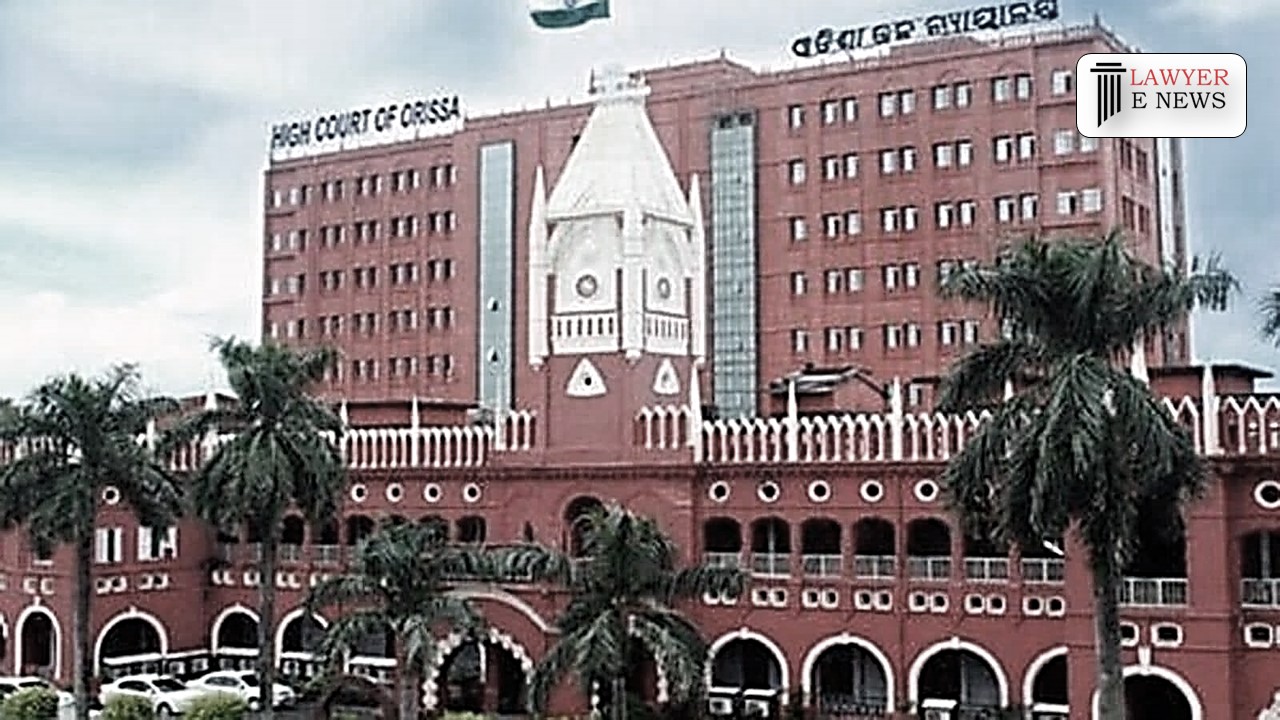
The High Court of Orissa, in a notable judgment, reinstated the Resident Certificate of Pratima Mohapatra, which had been canceled by the Sub-Collector, Balasore. The court emphasized the validity of residency claims based on continuous residence and documentary evidence, criticizing the Sub-Collector’s decision as unjustified. The decision highlights the importance of procedural fairness in the issuance and cancellation of certificates under the Miscellaneous Certificate Rules, 1984.
The case originated from a dispute over the issuance of a Resident Certificate to Pratima Mohapatra, who applied for the post of Anganwadi Worker in Paikasta. Her application was supported by a Resident Certificate issued by the Tahasildar, based on a detailed inquiry. However, the Sub-Collector, acting on a complaint, canceled the certificate, asserting that Mohapatra’s family was originally from Bhimpur. The petitioner challenged this cancellation, leading to the present writ petition.
Credibility of Inquiry and Evidence:
The court scrutinized the inquiry report from the Revenue Supervisor, which confirmed Mohapatra’s residency in Paikasta. The court noted, “The issuance of the Resident Certificate was based on a proper inquiry, including documentary evidence such as RoR, Voter ID, and other records. Ignoring this evidence was unjustified.”
Procedure under Miscellaneous Certificate Rules:
Justice R.K. Pattanaik observed that the procedural requirements under the Miscellaneous Certificate Rules, 1984, were duly followed in issuing the certificate. The court emphasized, “A Resident Certificate should not be easily discarded when supported by substantial evidence of residency.”
The court highlighted the principles governing the issuance of Resident Certificates, stressing the need for a fair assessment of evidence. “A person may be a native of one place but can establish residency in another if continuous residence and supporting documents are provided,” the court stated. This interpretation aligns with previous judgments in Sarojini Sahoo v. State of Orissa and Anuradha Das v. Sub-Collector, Puri.
Justice Pattanaik remarked, “If an inquiry is held and supported by substantial evidence, the resultant Resident Certificate should not be tampered with lightly. The decision to cancel the certificate lacked a proper assessment of the provided evidence.”
The High Court’s decision to set aside the Sub-Collector’s order and restore the Resident Certificate of Pratima Mohapatra underscores the judiciary’s commitment to procedural fairness. This judgment is likely to influence future cases, reinforcing the importance of proper inquiry and evidence assessment in the issuance of residency certificates. The ruling serves as a reminder to authorities to adhere strictly to procedural norms, ensuring justice and fairness in administrative processes.
Date of Decision: 21st May 2024
Pratima Mohapatra vs. Sub-Collector, Balasore & Others