-
by sayum
24 August 2026 3:22 PM







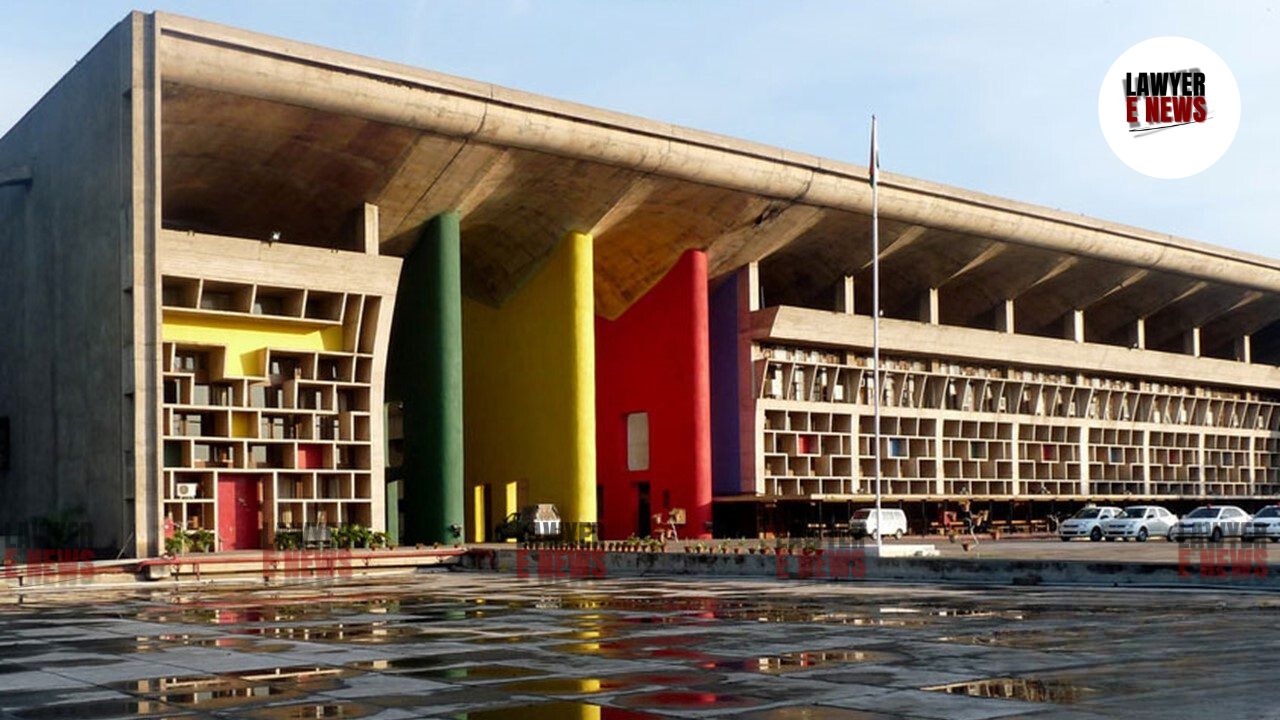
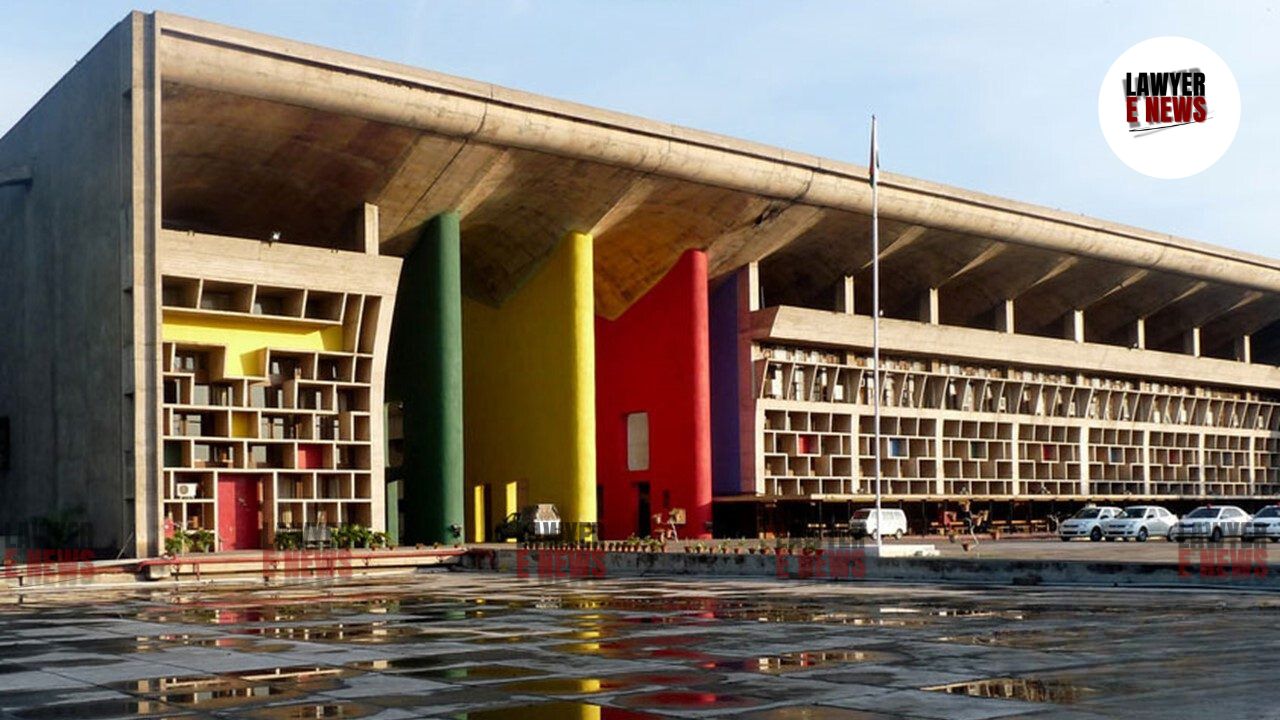
In a significant judgment, the Punjab and Haryana High Court directed the Post Graduate Institute of Medical Education and Research (PGIMER), Chandigarh, to reconsider the application of a candidate whose documents were delayed due to a postal error. The court emphasized the importance of fairness and institutional discretion in handling such cases, potentially impacting future recruitment processes.
Sandeep Singh Parmar, the petitioner, applied for the position of Staff Car Driver at PGIMER as advertised on July 18, 2018. Despite clearing the written examination, his application documents, sent via speed post on January 8, 2019, reached PGIMER after the deadline of January 22, 2019, due to a mistake by the postal service. The application was initially rejected, prompting Parmar to file a writ petition.
Credibility of Postal Error: The court noted the detailed tracking history of the speed post and the postman's admission of the error. "It is clear that the delay was caused solely by the postal service," the bench remarked, stressing the legitimacy of Parmar's efforts to submit his documents on time.
Institutional Responsibility and Fairness: Addressing the broader implications, the court highlighted the responsibility of institutions to exercise discretion in exceptional cases. "Institutions must ensure that genuine candidates are not disadvantaged by errors beyond their control," the court observed.
Impact on Recruitment Process: The judgment acknowledged that the recruitment process must be fair and transparent but also flexible enough to address unforeseen issues. "Rigid adherence to deadlines without considering legitimate exceptions can lead to unjust outcomes," the bench stated.
The court extensively discussed the principles of fairness and institutional discretion. It referred to past judgments, emphasizing that while deadlines are crucial, they should not override equity and justice. "In this case, rejecting the application solely due to postal delay, when the error was promptly acknowledged and explained, would result in an unfair denial of opportunity," the judgment elaborated.
Justice Sanjay Vashisth remarked, "The recruitment process must balance strict adherence to rules with the need to ensure that deserving candidates are not unjustly excluded due to factors beyond their control."
The court's decision to allow PGIMER to reconsider Parmar's application underscores a commitment to fairness in public recruitment processes. This judgment sets a precedent for similar cases, ensuring that institutions adopt a balanced approach, considering both procedural integrity and individual equity.
Date of Decision: May 6, 2024