-
by sayum
10 October 2026 6:23 AM







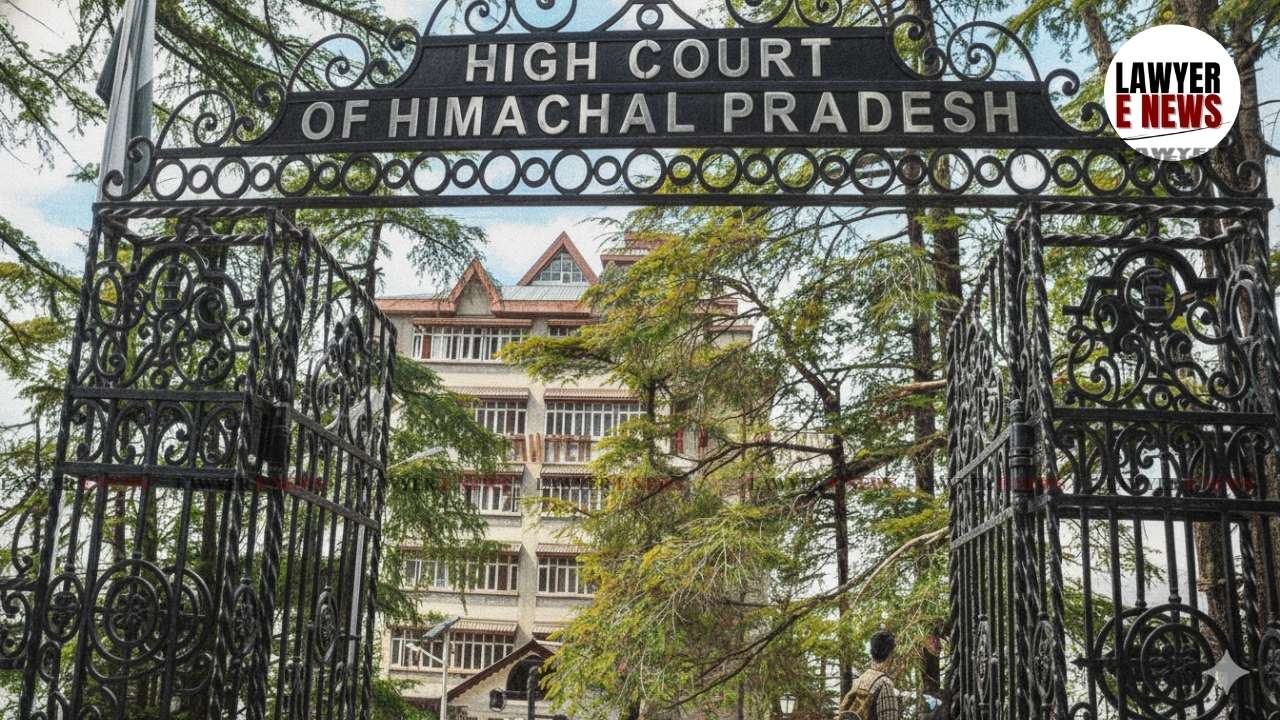
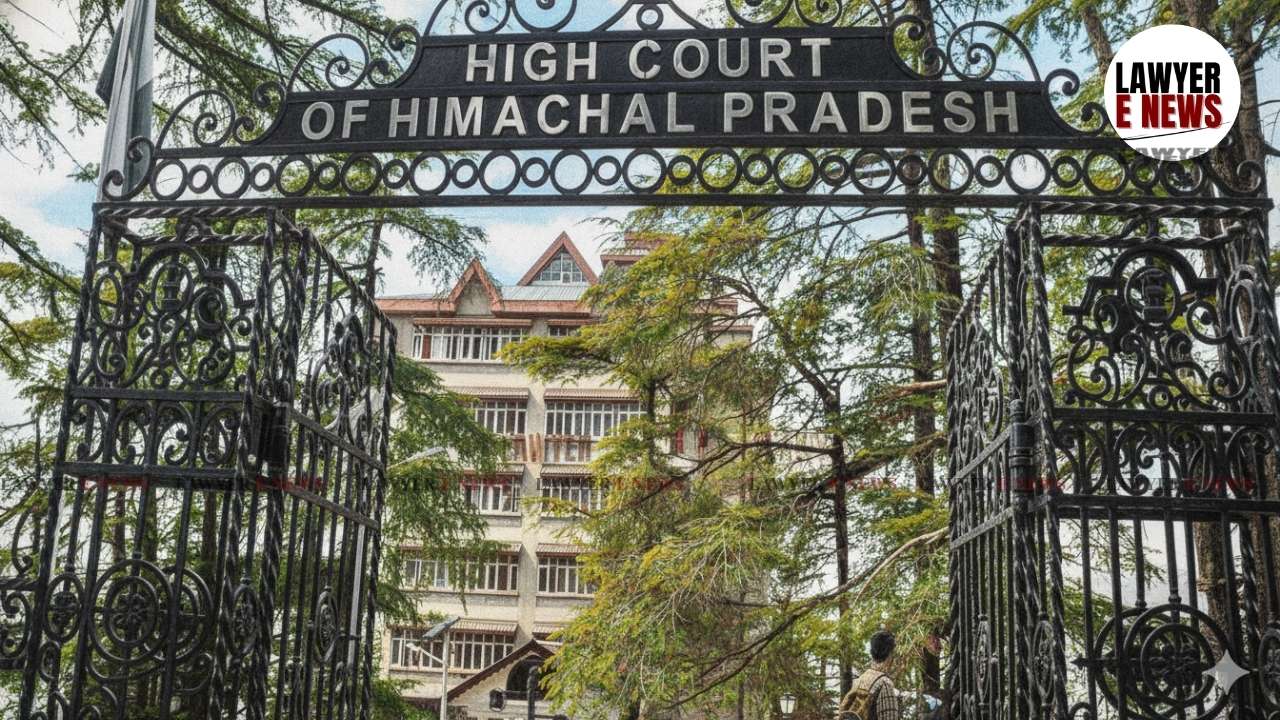
"The procedural law is meant for advancement of justice. The parties should be given opportunity to plead and prove their cases, so that the matter could be decided on merit." Himachal Pradesh High Court, in a ruling dated 7 September 2026, held that the court’s power under Order VIII Rule 1-A(3) of the CPC to grant leave for the production of documents should be exercised to facilitate the resolution of disputes on merits rather than being obstructed by mere technicalities.
A bench of Justice Virender Singh observed that a litigant's right to prove their case should not be defeated by the timing of an application unless such technical objections are so predominant that they overshadow the core merits of the litigation.
The dispute arose in a civil suit concerning alleged land encroachment in District Una, Himachal Pradesh. During the pendency of the suit, the defendants sought to produce a field inquiry report from settlement officials and related revenue records to support their defense. The trial court dismissed the defendants' applications filed under Order VIII Rule 1-A(3) and Section 151 of the CPC on the ground that the request was made at a belated stage, leading the petitioners to approach the High Court under Article 227 of the Constitution of India.
The primary question before the court was whether the trial court correctly exercised its jurisdiction in rejecting the application for additional evidence solely on the basis of delay. The court was also called upon to determine the scope of judicial discretion in granting leave for the production of documents under Order VIII Rule 1-A(3) of the CPC.
Nature of Procedural Law
The High Court emphasized that the primary objective of the Code of Civil Procedure is the advancement of justice. The court noted that Order VIII Rule 1-A(3) does not prescribe any rigid timeline for the production of documents, requiring only the "leave of the Court." Consequently, dismissing such an application merely on the ground of delay, without considering the evidentiary value of the documents, constitutes an improper exercise of judicial discretion.
Court Rejects Technical Obstruction
The bench observed that the respondent-plaintiff failed to demonstrate any prejudice that would justify preventing the defendants from relying on relevant revenue records. The court held that every litigant must be provided an adequate opportunity to contest the issues on merit by producing all supporting documentation.
"The past conduct of the parties should not come in the way of advancement of justice. Every litigant ought to be given the opportunity of contesting the issue, involved on merit, by producing the document, and the said right cannot be scuttled on mere technicalities, unless the same are pre-dominant that overshadow the merits of the case."
Relevance To Be Decided At Trial
The High Court clarified that granting leave to produce a document is distinct from determining its admissibility or weight. By allowing the petition, the court maintained that the ultimate relevance and evidentiary value of the settlement inquiry reports shall be determined by the trial court during the final hearing of the suit.
"Consequently, the order, under challenge, is set aside, as relevance of the documents, shall be decided, at the time of hearing of the case."
Final Directions and Conclusion
The High Court allowed the petition, setting aside the trial court's order dated 28 March 2026, subject to the payment of costs of Rs. 5,000 to the plaintiff. The defendants were granted permission to produce and prove the documents in question. The parties were directed to appear before the trial court on 22 September 2026 to proceed with the matter in accordance with the law.
Date of Decision: 07 September 2026