-
by sayum
19 August 2026 1:58 PM







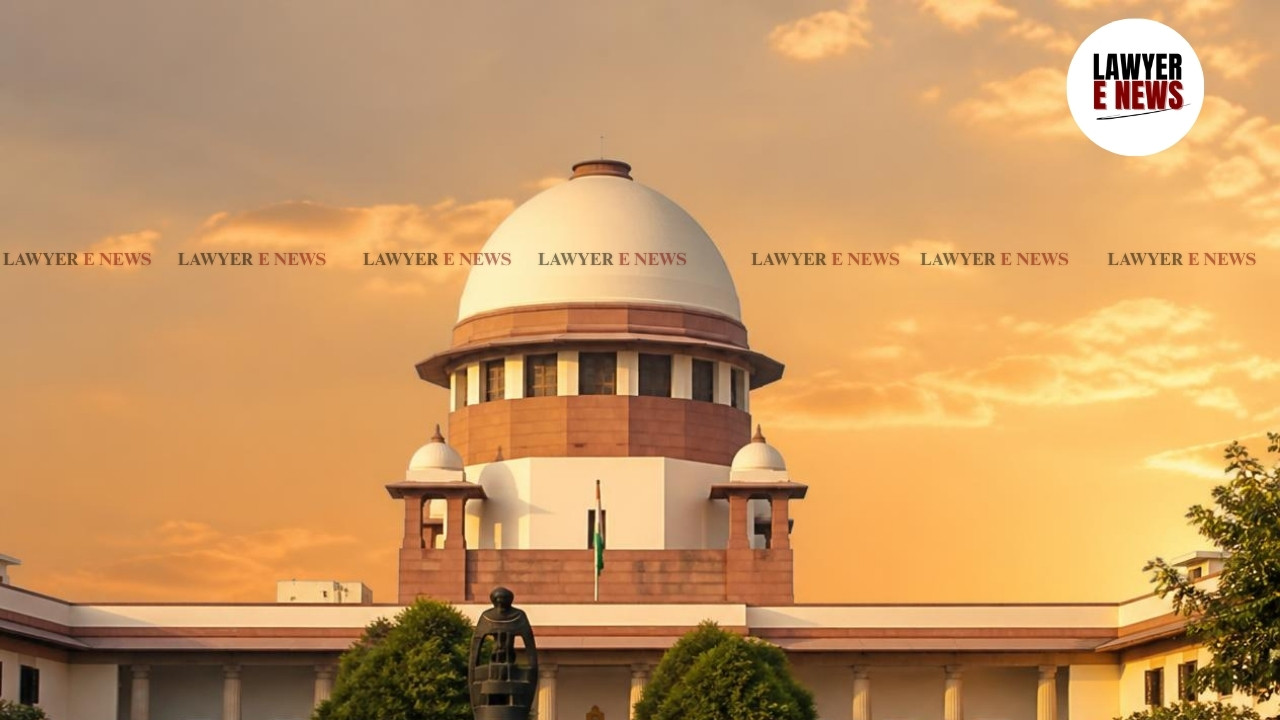
"Setting up of a dedicated cell within the Secretariat of Houses... to investigate disproportionate asset growth in MPs is not feasible and legally untenable in view of the parliamentary practices and procedures and the Lokpal and Lokayukta Act, 2013," Supreme Court, in a significant order, has disposed of a contempt petition against the Union of India, holding that no case for "willful disobedience" was made out regarding the implementation of directions to monitor the disproportionate asset growth of legislators.
A bench of Justice J.B. Pardiwala and Justice K.V. Viswanathan accepted the Union’s submission that existing legal frameworks and institutional constraints made the creation of a separate monitoring committee unnecessary and procedurally difficult.
The contempt petition was filed by the NGO 'Lok Prahari' alleging non-compliance with the Supreme Court’s 2018 judgment in Writ Petition (C) No. 784 of 2015. In the original judgment, the Court had issued directions for a permanent mechanism to monitor legislators whose assets increased by more than 100% by the next election and for the amendment of Form 26 to ensure transparency. The petitioner argued that the Union had failed to establish this monitoring mechanism and had not adequately updated electoral disclosure forms.
The primary question before the court was whether the Union of India had committed contempt by failing to establish a permanent mechanism to monitor the asset growth of MPs, MLAs, and MLCs. The court was also called upon to determine if the Union’s explanation regarding legislative constraints and the role of the Lokpal satisfied the requirements of the earlier directions.
Union Explains Institutional Constraints In Implementation
The Court took note of the detailed reply filed by the Union of India, which highlighted communication between the Department of Legal Affairs and the Lok Sabha Secretariat. The Union submitted that the Lok Sabha Secretariat had expressed serious reservations regarding the proposed creation of a committee to monitor the assets of Members of Parliament, citing both legal and practical challenges.
"Dedicated Cell" For MPs Deemed Legally Untenable
The bench observed that the Lok Sabha Secretariat found the suggestion of a "dedicated cell" within the House Secretariats to investigate its own members to be problematic. The Union contended that such an investigative body would be "legally untenable" given established parliamentary practices and the existing statutory framework under the Lokpal and Lokayuktas Act, 2013.
Court Notes Role Of Lokpal In Monitoring Corruption
The respondent pointed out that the Lokpal is already a dedicated institution created to investigate corruption and monitor the assets of public servants, including the Prime Minister, Ministers, and MPs. The Court noted the submission that creating a new committee for the same purpose might not only be redundant but could also "encroach on the Lokpal’s jurisdiction."
No Willful Neglect Found In Union’s Efforts
The Bench accepted the Union's argument that it had attempted to take all stakeholders on board through pre-legislative consultative policies. The Court noted that there were no specific directions to enact a new law, and the Union's efforts to coordinate with the Lok Sabha Secretariat demonstrated a lack of "willful neglect or disobedience."
Existing CBDT-EC Framework For Asset Verification
The Court took into account that a joint framework already exists between the Election Commission of India (ECI) and the Central Board of Direct Taxes (CBDT). This mechanism is designed to verify asset disclosures, report discrepancies, and place such information in the public domain, thereby fulfilling the transparency objectives sought by the original petitioner.
Court Recalls Principles Of Electoral Disqualification
While disposing of the contempt petition, the Court revisited the ratio from the 2018 judgment which held that the non-disclosure of assets and sources of income constitutes a "corrupt practice." Relying on Krishnamoorthy v. Sivakumar, the Court reaffirmed that suppressing such information amounts to "undue influence" under Section 123(2) of the Representation of the People Act, 1951.
"Non-disclosure of assets and sources of income of the candidates and their associates would constitute corrupt practice falling under heading 'undue influence' as defined under Section 123(2) of the RP Act of 1951."
Final Directions On Contempt Allegations
Concluding that the Union had provided a sufficient explanation for the institutional difficulties in creating a new monitoring body, the Court found no grounds to proceed further. The Bench held that the steps taken by the government and the existing oversight of specialized agencies like the CBDT were adequate in the current legal landscape.
The Supreme Court disposed of the contempt petition, ruling that the Union had not willfully disobeyed its previous directions. The Court expressed satisfaction with the Union's explanation regarding the role of the Lokpal and the existing verification framework between the Election Commission and tax authorities.
Date of Decision: 16 April 2026