-
by sayum
15 August 2026 5:59 AM







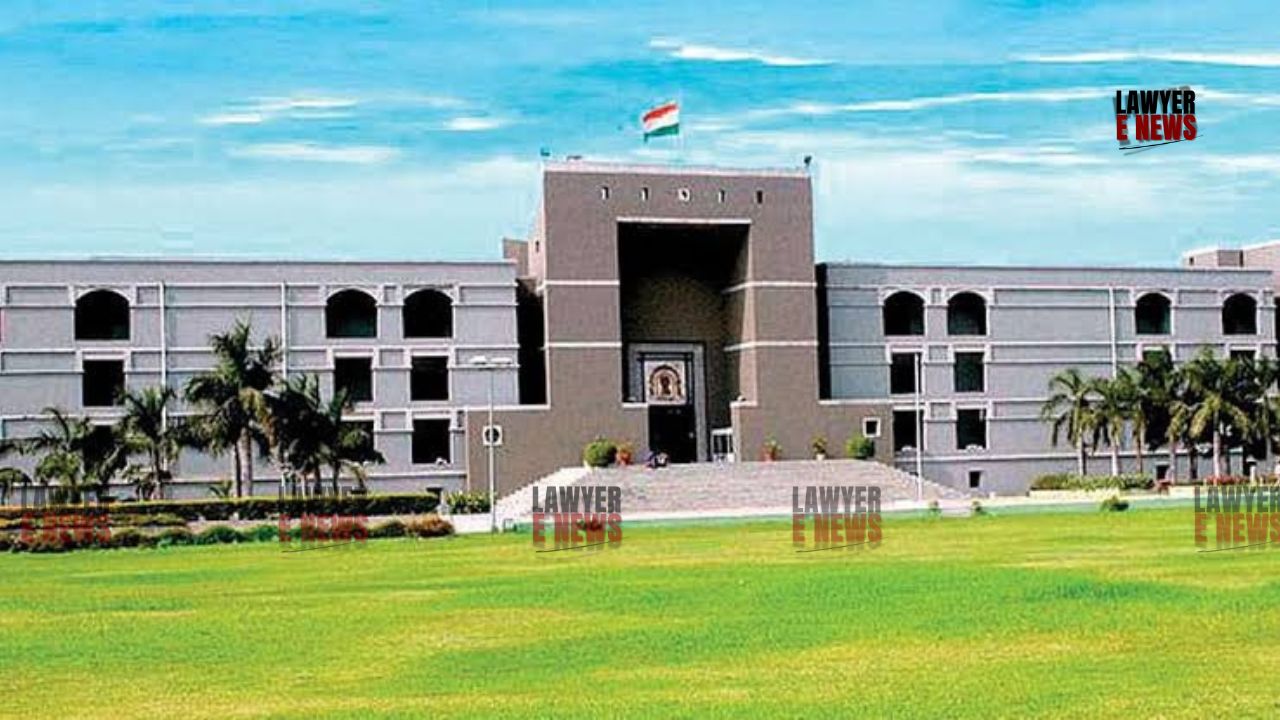
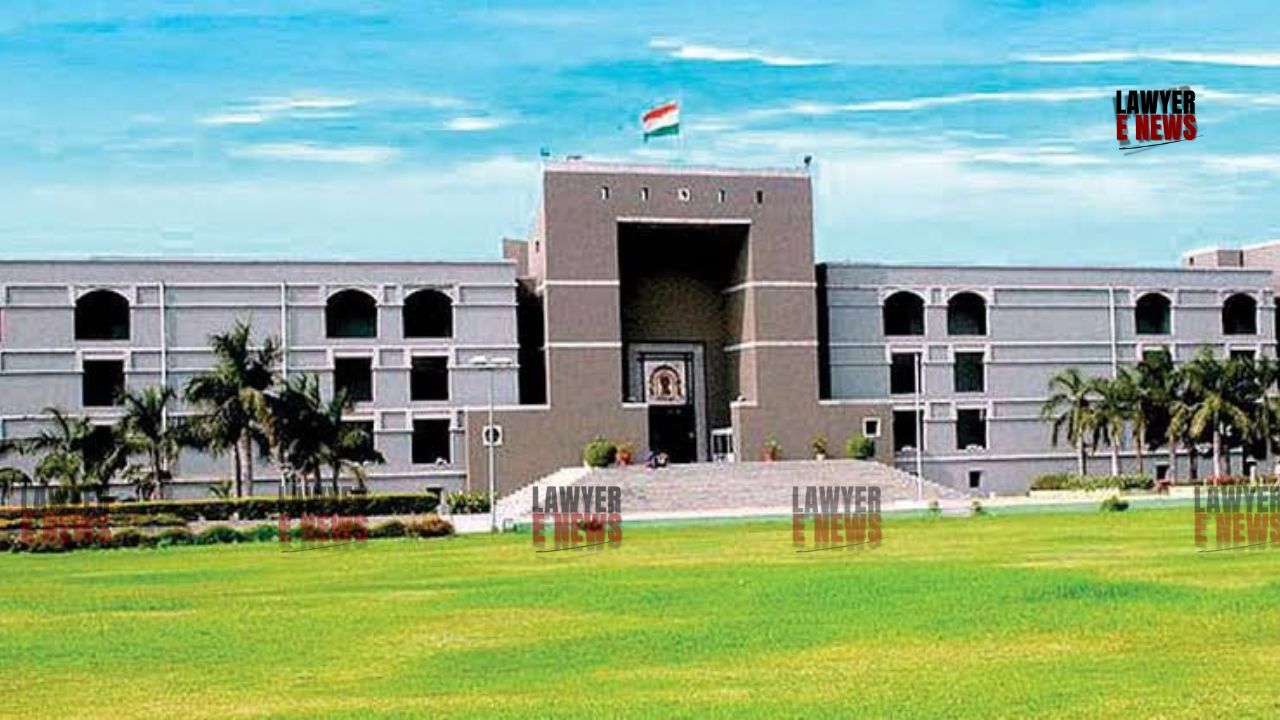
"It is thus settled by now that the legal representatives of the deceased have a right to apply for compensation. Having said that, it must necessarily follow that even the major married and earning sons of the deceased being legal representatives have a right to apply for compensation and it would be the bounden duty of the Tribunal to consider the application irrespective of the fact whether the concerned legal representative was fully dependant on the deceased." Gujarat High Court, in a significant ruling, held that major, married, and earning sons are entitled to claim compensation for the death of their father in a motor accident, regardless of their financial independence.
A bench of Justice Mool Chand Tyagi observed that under Section 166 of the MV Act, legal representatives possess an inherent right to apply for compensation, and Tribunals cannot limit such claims to conventional heads only by citing a lack of dependency.
The case arose from a fatal accident on July 18, 2006, where Mukundbhai Ghelabhai Doshi was struck by a rashly driven motorcycle while walking on Junagadh road. The deceased’s widow and two sons filed a claim petition; however, the widow passed away in 2012 during the pendency of the proceedings. The Motor Accident Claims Tribunal (Auxiliary), Rajkot, awarded a meager Rs. 55,000, denying loss of dependency on the grounds that the sons were earning and the widow was no longer alive to claim the benefit.
The primary question before the court was whether major, married, and earning sons qualify as "legal representatives" entitled to loss of dependency under the Motor Vehicles Act. The court was also called upon to determine whether the dependency of a claimant must be assessed at the time of the accident or at the time of the final award.
Major Earning Sons Are Valid Claimants Under Section 166 MV Act
The Court noted that Section 166(1)(c) of the MV Act explicitly allows "all or any of the legal representatives" to move an application for compensation where death results from an accident. The bench emphasized that the term "legal representative" has a wider connotation than "dependent" and includes those who represent the estate of the deceased.
Relying on the Supreme Court’s decision in National Insurance Company Ltd. v. Birender Singh, the Court clarified that even earning sons have a right to compensation. The bench noted that it is the bounden duty of the Tribunal to consider the application without limiting it to conventional heads simply because the sons have an independent source of income.
Dependency Status Must Be Evaluated At The Time Of Filing Claim Petition
Addressing the Tribunal’s error in denying dependency due to the widow's death during litigation, the High Court held that dependency must be viewed at the time of filing the claim petition. Since the widow was alive and dependent when the petition was filed in 2006, her right to claim compensation for the loss of her husband was already vested.
The Court placed reliance on Kirti & Anr. Vs. Oriental Insurance Company Ltd. to reiterate that the status of dependency does not dissipate simply because a primary dependent dies before the final judgment is pronounced. The right to such compensation survives and extends to the remaining legal representatives who are parties to the suit.
"The dependency has to be seen at the time of filing of the claim petition. In the present case, at the time of accident, the widow was also dependent upon the deceased. Accordingly, the widow has an independent right to claim the compensation."
Calculation Of Quantum Based On Income Tax Returns And Multiplier Method
In assessing the quantum, the Court perused the Income Tax Returns of the deceased, which established a net annual income of Rs. 1,81,038. Following the ratio in National Insurance Company Ltd. Vs. Pranay Sethi, the Court applied a 1/3 deduction for personal expenses, bringing the annual dependency to Rs. 1,20,692.
Since the deceased was 70 years old at the time of the accident, the Court applied a multiplier of 5, resulting in a total loss of dependency of Rs. 6,03,460. The bench observed that the Tribunal had erroneously disallowed this substantial head of compensation by focusing strictly on the financial independence of the sons.
Entitlement To Consortium For All Legal Representatives
The High Court further enhanced the award under conventional heads, citing the Supreme Court’s ruling in Magma General Insurance Company Limited Vs. Nanu Ram. It held that all three legal representatives (the estate of the widow and the two sons) were entitled to loss of consortium at the rate of Rs. 48,400 each.
The Court awarded an additional Rs. 18,150 for funeral expenses and Rs. 18,150 for loss of estate. This brought the total compensation to Rs. 7,84,960, a significant increase from the original Rs. 55,000 awarded by the Rajkot Tribunal. The Court directed the insurance company to deposit the balance amount within six weeks.
"All the legal representatives are entitled to get the compensation under the head of loss of consortium. Hence accordingly, a sum of Rs. 1,45,200 is awarded under the head of loss of consortium."
The High Court concluded that the Tribunal committed a gross error by excluding earning sons from the purview of "dependents" and failing to recognize that the right to claim survives the death of a co-claimant. The appeal was partly allowed, modifying the award to Rs. 7,84,960 with 9% interest per annum from the date of the claim petition until realization.
Date of Decision: 30 June 2026