-
by sayum
13 August 2026 1:48 PM







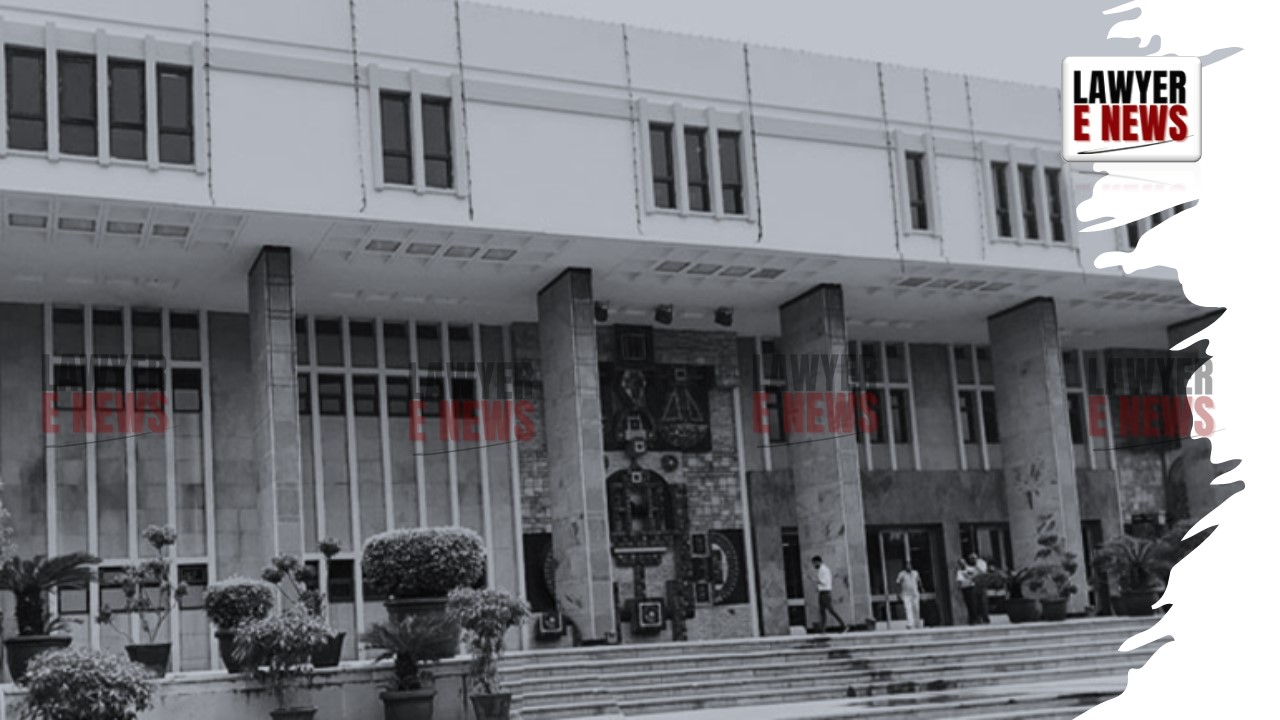
Delhi High Court comprising Justice Prathiba M. Singh and Justice Amit Sharma delivered a landmark ruling in Court on Its Own Motion v. Roop Darshan Pandey & Ors. (CONT.CAS. (CRL.) No. 13 of 2024). The Court convicted Roop Darshan Pandey for criminal contempt, sentencing him to two weeks of simple imprisonment and a fine of Rs. 2,000, with an additional seven days' imprisonment in case of default of payment.
The judgment arose from allegations that the respondent, Mr. Pandey, scandalized the Court by issuing a baseless legal notice and publishing defamatory content against the Court and its Registry.
"Baseless Allegations Against the Registry and Forum Shopping Claims Held Malicious"
The legal notice, authored by Mr. Pandey and his counsel, falsely alleged impropriety in the Delhi High Court's listing procedures, questioning the mentioning of an urgent matter before DB-II instead of DB-I. The notice accused the Registry of clearing objections improperly, casting aspersions on the integrity of the Court.
"Such baseless allegations scandalize the Court, interfere with the administration of justice, and tarnish the judiciary’s image, warranting strict action," the Court observed [Paras 20-31].
The Court clarified that the practice of "subject to office objections" in urgent matters enables listing despite pending procedural objections. It noted:
"The allegation that matters were listed without clearing objections is entirely false and demonstrates a malicious intent to undermine the judiciary."
"Professional Misconduct: Lawyers Referred to Bar Council for Disciplinary Action"
The Court also took strong exception to the conduct of Mr. Pandey's counsel, who drafted and sent the legal notice. The lawyers, Mr. Deepak Dahiya and Mr. Mohit Yadav, failed to adhere to basic professional ethics, including the failure to mention their bar council registration numbers and other required details in the notice. The notice also contained defamatory and contemptuous content aimed at the Court.
Citing the Bar Council of India's rules, the Court held: "Advocates have a duty to ensure that their conduct reflects the highest standards of professionalism. Misadvising a client and issuing defamatory notices violate their ethical obligations towards the Court and the judiciary."
The Court referred the matter to the Bar Council of Delhi for initiating disciplinary action against the two lawyers [Paras 41-48].
"Irresponsible Media Conduct: Journalist Let Off with a Warning"
The Court also addressed the role of journalist Mr. Atul Krishna, who published the defamatory notice on the online platform The New Indian and its social media handle without verifying its contents.
Quoting In Re: Harijai Singh (1999) 6 SCC 466, the Court reiterated: "Journalists must exercise caution and verify the accuracy of allegations before publication. Irresponsible reporting undermines public trust in the judiciary."
While accepting the journalist's unconditional apology, the Court warned him to exercise caution in the future and discharged the contempt notice against him [Paras 38-40].
"Habitual Abuse of Judicial Process: Mr. Pandey's Apology Deemed Insincere"
The Court reviewed Mr. Pandey's extensive history of frivolous litigation and baseless allegations against courts, judges, and opposing parties. The judgment highlighted that:
Mr. Pandey repeatedly filed criminal complaints arising from the same contractual dispute with Hero MotoCorp Ltd. (HML), escalating a contractual issue into multifarious criminal proceedings.
His actions included making unsubstantiated allegations of forum shopping, forgery, and procedural irregularities.
This was not Mr. Pandey's first instance of contemptuous behavior; earlier complaints in 2016 also scandalized the judiciary [Paras 55-59].
"Mr. Pandey’s conduct demonstrates a pattern of deliberate and malicious attempts to undermine the judiciary, harass opposing parties, and misuse judicial resources. His apology is insincere and self-serving," the Court held [Paras 49-59].
"Judiciary Must Remain Unpolluted," Observes Court
Citing Haridas Das v. Usha Rani Banik (2007) 14 SCC 1, the Court emphasized that undermining the judiciary threatens the foundation of democracy. It noted:
"Judge bashing cannot be a substitute for legitimate criticism. Scurrilous attacks on the judiciary erode public confidence and tarnish the sanctity of the institution."
The Court also referred to Sanjeev Kumar v. State of NCT of Delhi & Ors. (2024), where frivolous litigants filing multiple complaints were held accountable with imprisonment.
Court Orders: Sentence, Costs, and Disciplinary Actions
Sentence for Mr. Pandey:
Imprisonment: Two weeks of simple imprisonment.
Fine: Rs. 2,000; in default, seven days of additional imprisonment.
Mr. Pandey was taken into custody from the courtroom to serve his sentence [Paras 59-60].
The Court directed the Bar Council of Delhi to initiate disciplinary proceedings against Mr. Deepak Dahiya and Mr. Mohit Yadav for unprofessional conduct.
Warning to the Journalist:
The contempt notice against Mr. Atul Krishna was discharged with a caution to exercise greater responsibility in the future.
The judgment is a strong message against the misuse of judicial processes, the filing of frivolous complaints, and malicious conduct by litigants and professionals alike. The Court’s balanced approach—imposing penalties, referring lawyers for disciplinary action, and cautioning the media—ensures accountability while protecting the dignity of the judiciary.
Date of Decision: January 23, 2025