-
by sayum
05 November 2026 11:47 AM







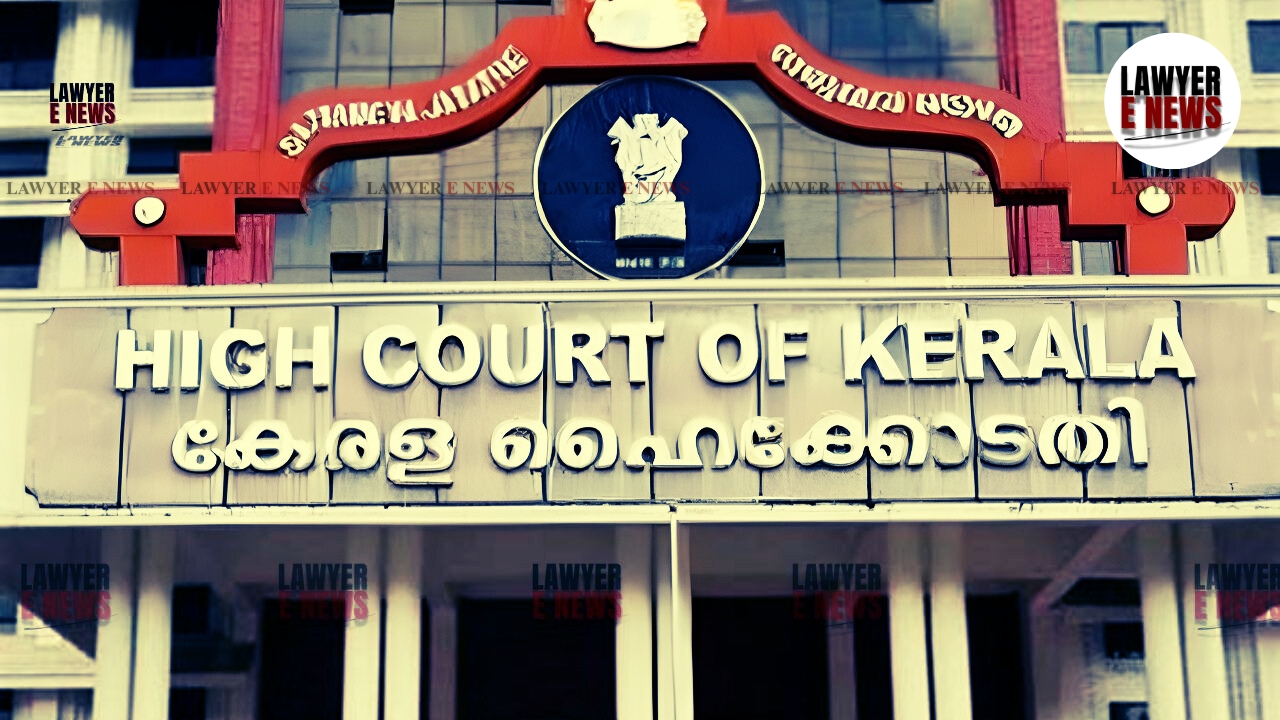
"The liability of a supplier to discharge the tax payable under the statute and the question as to whether the supplier is entitled to pass on the burden of such tax to the recipient are distinct and separate matters." Kerala High Court, in a ruling delivered on October 8, 2026, held that a successful tenderer (Kuthaka holder) for Devaswom Board services lacks the legal or contractual authority to collect GST in addition to the fixed fee prescribed in the tender notification if the schedule stipulates the fee is inclusive of all taxes.
A division bench comprising Justice Raja Vijayaraghavan V and Justice K. V. Jayakumar observed that while the obligation to pay GST to the government is a statutory mandate, the power to pass that burden onto the recipient of services is strictly governed by the terms of the contract.
The petitioner, a successful bidder for the right to collect fees from Chendamelam artists at the Erumeli Dharma Sastha Temple, had challenged a notice restricting him to a fee of ₹50 per performance. Having paid the tender amount along with 18% GST to the Board, the petitioner argued that he was entitled to collect ₹50 plus an additional ₹9 as GST from the artists. The Travancore Devaswom Board maintained that the tender conditions explicitly stated the fees were inclusive of all taxes and that the petitioner was barred from charging any amount over the prescribed limit.
Court Distinguishes Statutory Liability From Contractual Recovery
The primary question before the court was whether the statutory liability to pay GST under the GST Act inherently grants a service provider the right to recover that tax from the recipient, regardless of the tender terms. The court also examined whether the Board was liable to reimburse the petitioner for the tax component he was prohibited from collecting.
Court Defines Scope Of Contractual Right To Collect Tax
The bench emphasized that the petitioner’s right to charge fees is derived exclusively from the tender notification. The court observed that the petitioner was fully aware of the tender conditions, which explicitly capped the collection at ₹50 per performance. The court noted that the petitioner failed to point to any provision within the tender documents that authorized him to levy GST over and above the fixed fee.
"The liability of a supplier to discharge the tax payable under the statute and the question as to whether the supplier is entitled to pass on the burden of such tax to the recipient are distinct and separate matters. The supplier of a taxable service is liable to discharge the tax payable in accordance with the provisions of the tax and statute irrespective of whether the tax component is separately recovered from the recipient."
No Inherent Right To Pass On Tax Burden
The court clarified that the status of the Chendamelam artists as the recipients of service does not confer an independent right upon the petitioner to bypass the contractual fee ceiling. The court reasoned that since the tender document stipulated the charges were "inclusive of all taxes," the petitioner had implicitly agreed to absorb the tax liability within the fixed fee.
Board Not Liable To Reimburse Tax
Regarding the petitioner's plea for a refund or reimbursement of tax, the bench found no legal basis for such a claim. The court held that a contractor's statutory obligation to pay GST cannot be shifted to the Devaswom Board in the absence of a specific clause in the agreement. The bench concluded that the petitioner had failed to establish an enforceable legal right to collect the additional tax component or to seek reimbursement from the Board.
Dismissal Of Writ Petition
Ultimately, the court dismissed the petition, affirming that the petitioner is bound by the terms of the auction. The ruling reinforces the principle that when government or quasi-government bodies fix prices in a contract inclusive of taxes, the tenderer cannot unilaterally increase those rates citing statutory tax liabilities.
Date of Decision: 08 October 2026