-
by sayum
05 November 2026 11:47 AM







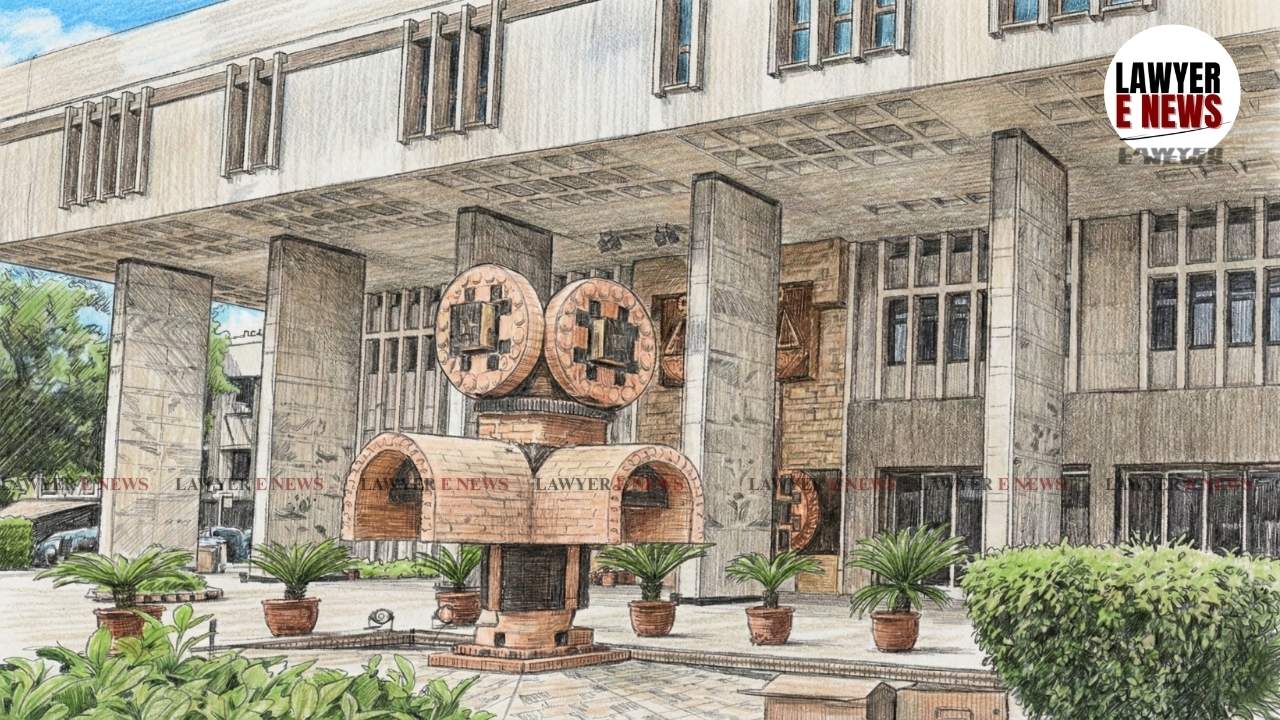
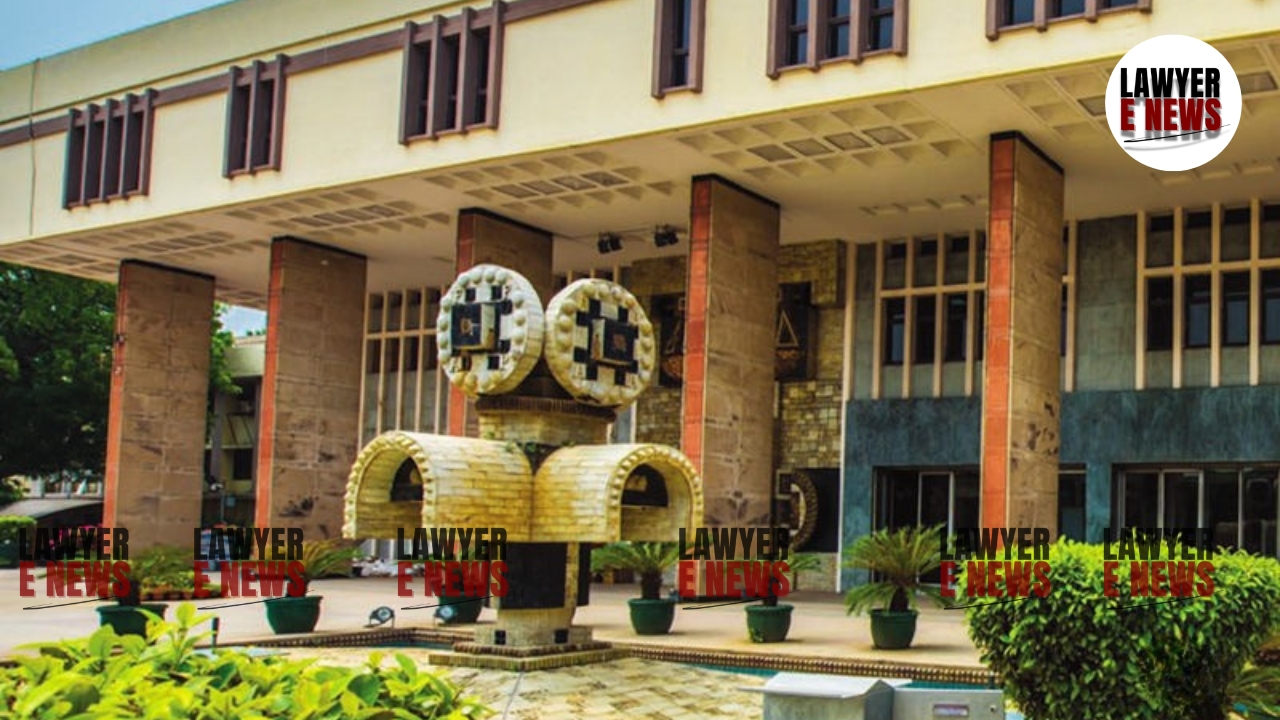
"HRA is not in the nature of a concession but it forms a component of the total salary as part of condition of service. It is in the nature of a compensatory allowance in lieu of accommodation. Thus, the object is to compensate an employee for the amenities which are not available as provided to other employees." Reaffirming that House Rent Allowance forms an intrinsic component of salary rather than an ex-gratia concession, the Delhi High Court bench comprising Justice Jyoti Singh and Justice Gurvinder Pal Singh on October 30, 2026, held that Central Industrial Security Force personnel cannot be deprived of full HRA merely due to lower seniority or cadre-strength restrictions when official accommodation is not provided.
The petitioner, a CISF personnel deployed across different units in the national capital, including DMRC, Red Fort, and Samadhi Sthal, was paid only 25% HRA instead of the entitled 30% rate despite being denied government quarters. Facing an unjustified 5% reduction on the ground of cadre percentages, he approached the High Court under Article 226 of the Constitution of India seeking release of the full HRA reimbursement.
Whether a member of the CISF can be denied full House Rent Allowance or subjected to an arbitrary percentage reduction under Rule 61 of the CISF Rules, 2001 when official accommodation is not allotted due to seniority constraints?
Whether restricting HRA to a fixed percentage of cadre strength or linking it to the place of posting violates the equality mandate under Article 14 of the Constitution of India?
Analyzing the statutory scheme under Rule 61 of the CISF Rules, 2001, the Court observed that while Rule 61(1) provides for official accommodation according to married and unmarried ratios, sub-rule (2) explicitly mandates that where such accommodation is unavailable, personnel are entitled to HRA in lieu thereof on par with other Central Government employees.
HRA operates as compensatory condition of service rather than administrative bounty
The bench emphasized the settled legal position that HRA is not an act of state benevolence, citing the Division Bench ruling in Inspector/Exe. Jaspal Singh Mann v. Union of India.
The Court noted: "HRA is not in the nature of a concession but it forms a component of the total salary as part of condition of service. It is in the nature of a compensatory allowance in lieu of accommodation. Thus, the object is to compensate an employee for the amenities which are not available as provided to other employees."
Creation of artificial categories disentitled to both housing and HRA violates Article 14
The Court rejected the respondents' stance that HRA entitlement was confined to a restricted percentage of the cadre strength or subject to seniority rosters for a given station. It held that seniority may determine the distribution of scarce physical quarters, but cannot be weaponized to withhold compensatory allowance from personnel forced to arrange private accommodation at their own cost.
The bench reiterated: "If a personnel is not granted a family accommodation on account of his seniority being lower in his category of persons as per the percentage of distribution of family accommodation, HRA must follow... A contrary interpretation would make the Rule discriminatory and hit by Article 14 of the Constitution of India having no rational or nexus with the object sought to be served."
Place of posting cannot become chance factor to deny statutory allowances
The Court observed that posting or transfer is an incident of service dictated by administrative exigencies, meaning personnel cannot be subjected to financial detriment depending on the town or unit to which they are assigned. It reiterated that administrative circulars cannot override the statutory mandate embodied in Rule 61(2) of the CISF Rules.
The bench further recorded that this consistent judicial view has received finality, having been sustained by the Supreme Court in Union of India v. Paramisivan M. and followed consistently across multiple Division Bench judgments of the High Court.
Concurring with the binding precedents, the High Court held the 5% reduction imposed on the petitioner to be wholly unsustainable in law and directed the respondents to disburse the balance HRA arrears within three months. The Court ordered that failure to disburse the arrears within the stipulated three-month period would attract simple interest at the rate of 6% per annum until actual payment.
Date of Decision: October 30, 2026