-
by sayum
18 August 2026 10:21 AM







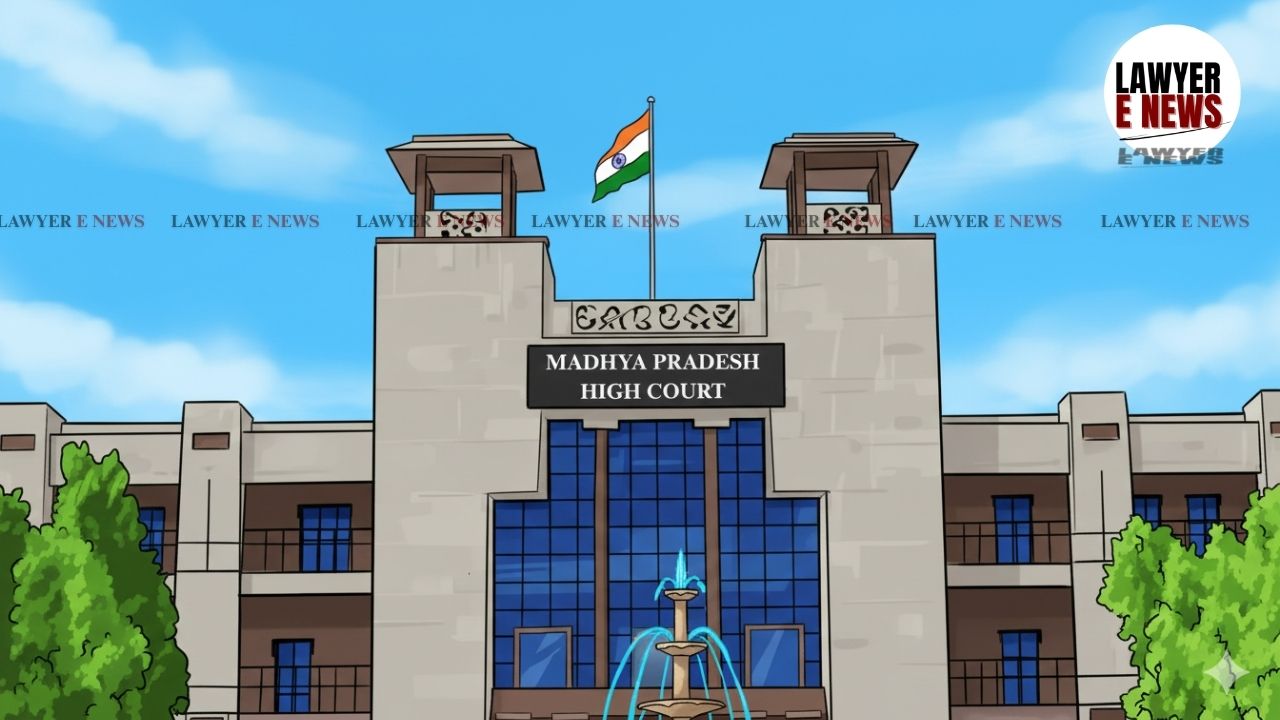
"The marked difference between Sub-section (1) and Sub-section (1-A) of Sec 176 Cr.P.C. is that the expression 'inquiry into the cause of death' found in Sub-section (1) is conspicuously missing in Sub-section (1-A), which clearly reflects the intention of Legislature of conferring wider power of inquiry upon the Judicial Magistrate by not restricting the field of inquiry merely to the 'cause of death', but also two other ancillary aspects." Madhya Pradesh High Court held that a Judicial Magistrate conducting an inquiry under Section 176(1A) of the Code of Criminal Procedure into a custodial death is not restricted to ascertaining merely the physiological cause of death, but is fully empowered to name specific individuals responsible for the fatality.
A bench of Justice Jai Kumar Pillai dismissed two writ petitions challenging a judicial inquiry report and the consequential registration of a First Information Report against a jail superintendent and empanelled doctors. The court observed that the statutory mechanism under Section 176(1A) permits a holistic inquiry into the circumstances, acts of torture, and subsequent destruction of evidence.
The case arose from the custodial death of an inmate named Bheru, who was serving a sentence at the District Jail, Dhar, and was brutally beaten by jail officials following the recovery of contraband tobacco from another inmate. Following his death on February 27, 2023, the Principal District and Sessions Judge directed the Judicial Magistrate First Class to conduct an inquiry under Section 176(1A) of the CrPC, while a medical board conducted an autopsy recording eight ante-mortem injuries. The JMFC submitted a detailed report on April 3, 2023, implicating the jail superintendent, subordinate staff, and the autopsy surgeons for custodial torture and evidence tampering, which led to the registration of an FIR at Police Station Kotwali, Dhar.
The primary question before the court was whether a Judicial Magistrate exceeds the statutory jurisdiction under Section 176(1A) of the CrPC by naming specific perpetrators and recommending criminal prosecution. The court was also called upon to determine whether autopsy doctors and jail authorities can invoke writ jurisdiction at the threshold to quash an inquiry report and consequent criminal proceedings arising from custodial violence.
Section 176(1A) Confers Wider Powers Than Section 176(1)
The court analyzed the legislative architecture of Section 176 of the CrPC, noting that while sub-section (1) confines Executive Magistrates to inquiring into the "cause of death," sub-section (1-A) intentionally omits that restrictive phrase for custodial deaths and disappearances. The bench relied on the coordinate bench precedent in Ram Sharan Prajapati v. State of Madhya Pradesh, emphasizing that the legislature intended to empower Judicial Magistrates to examine ancillary aspects and identify culprits.
"The Judicial Magistrate while conducting an inquiry u/S 176(1-A) can submit a report not only disclosing the cause of data, but also naming the persons who according to the Judicial Magistrate may be responsible for custodial death."
Jail Superintendent's Presence and Dereliction of Duty
The court examined the ocular evidence and eyewitness testimonies recorded during the inquiry, which established that the jail superintendent was physically present at the scene during the brutal assault. The bench noted that despite witnessing the severe beating and hearing the dying inmate's pleas for medical assistance, the superintendent failed to provide rescue and subsequently oversaw a calculated cover-up, including cleaning vomit and shifting the victim.
"The subsequent, orchestrated acts of cleaning the vomit, removing blankets, and deliberately shifting the dying inmate from barrack to barrack were logically categorized by the Magistrate as deliberate destruction of evidence under the direct aegis of the Jail Superintendent."
Autopsy Doctors and Complicity in Evidence Tampering
Addressing the challenge raised by the empanelled doctors, the court found that the medical board had intentionally left the cause of death vague and incomplete despite documenting eight distinct ante-mortem injuries. The bench highlighted a serious procedural lapse involving a deliberately blurred videography CD submitted to court, designed to suppress visual evidence of torture and shield the offending jail staff.
"This was a calculated move to suppress the visual evidence of the custodial torture, thereby attracting the ingredients of Sections 201 and 218 of the IPC against the medical professionals who were complicit in this cover-up."
Final Directions and Dismissal of Petitions
Concluding that the JMFC remained cognizant of his jurisdictional limits by deferring administrative misconduct proceedings to the District Judge, the high court upheld the impugned inquiry report and the consequential FIR. Both writ petitions were dismissed at the threshold, with directions to the investigating agency to proceed impartially and expeditiously with the criminal investigation.
Date of Decision: 06 August 2026