-
by sayum
27 August 2026 3:32 PM







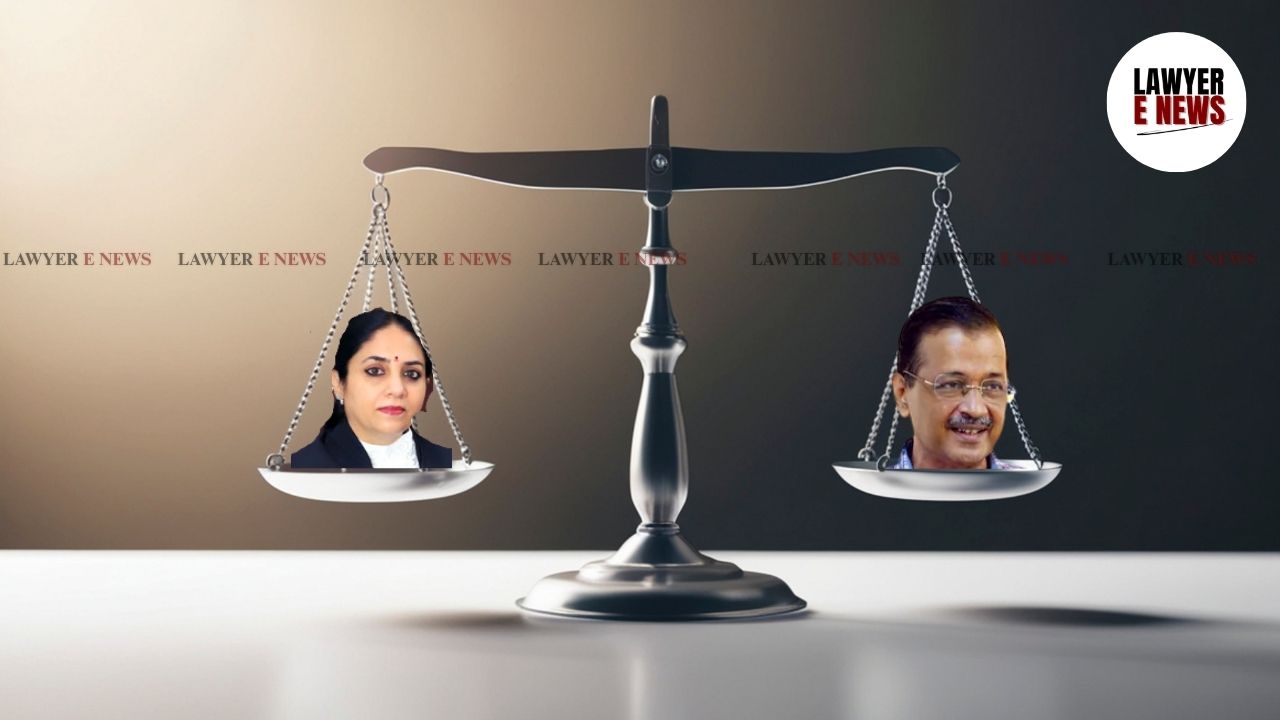
"A judge cannot recuse to satisfy a litigant’s unfounded suspicion of bias, nor to avoid discomfort felt by it due to manufactured allegations" , Delhi High Court, in an exhaustive ruling, dismissed applications filed by six discharged accused persons—including Arvind Kejriwal and Manish Sisodia—seeking the recusal of the presiding judge from hearing the CBI’s revision petition in the Delhi Excise Policy case.
A Single Judge Bench of Dr. Justice Swarana Kanta Sharma observed that "judicial integrity cannot be put to trial by a litigant" and held that a judge cannot surrender her reputation to the mere subjective unease of a party. The Court emphasized that the test for recusal is that of a fair-minded and informed observer, not the strategic discomfort of a litigant engaged in forum shopping.
The matter originated from the CBI’s challenge to a Trial Court order dated February 27, 2026, which had discharged several accused persons, including high-profile political leaders, in the Delhi Excise Policy case. When the CBI’s revision petition was listed, six respondents moved applications seeking the recusal of Justice Sharma. They cited various grounds including the judge's earlier prima facie observations in bail matters, the professional empanelment of the judge's relatives, and her participation in legal seminars organized by a specific lawyers' body.
The primary question before the court was whether a legally sustainable apprehension of bias exists when a judge has previously dealt with related bail applications or when a judge's relatives are empanelled as government counsel. The court was also called upon to determine if attending professional legal seminars constitutes an ideological alignment that warrants judicial recusal.
Prima Facie Observations In Interim Orders Are Not Conclusive Findings
The Court addressed the applicants' grievance regarding the order dated 09.03.2026, where the bench had recorded that the Trial Court’s discharge order appeared "prima facie erroneous." Justice Sharma clarified that recording such observations is an integral and well-settled feature of judicial functioning while issuing notice or granting interim reliefs. Such views are tentative and serve to inform the parties of the aspects they must address during final arguments.
"A prima facie view is only what appears true at first impression and may be revised upon full hearing."
Recusal Cannot Be Used As A Strategic Tool For Forum Shopping
The Bench observed that a litigant cannot be permitted to "manufacture" a test of bias to exclude a judge whose earlier views appear unfavourable. The Court noted that if every interim order recording a prima facie view became a ground for recusal, the justice delivery system would be made vulnerable to manipulation. Justice Sharma held that the remedy for a litigant aggrieved by an interim order lies in challenging it before a higher court, not in seeking the judge's exit.
"A litigant cannot be permitted to browbeat the Court by seeking a Bench of his choice."
No Subject-Matter Bias Arising From Earlier Bail Judgments
The Court rejected the argument that its earlier detailed judgments in bail and arrest-challenge proceedings created a "subject-matter bias." It was noted that those proceedings involved entirely different legal parameters under Sections 19 and 45 of the PMLA. The Court highlighted that the Supreme Court itself has directed that matters arising from the same FIR ought to be listed before the same judge to avoid conflicting orders.
"One Court having earlier dealt with related proceedings does not disqualify it from examining the discharge order with an open mind."
Expeditious Hearing Of MP/MLA Cases Follows Supreme Court Mandate
Responding to allegations of "undue haste," the Court explained that the present matter falls under the MP/MLA category. The Bench is bound by the directions of the Supreme Court in Ashwini Kumar Upadhyay v. Union of India and subsequent Division Bench orders of the High Court mandating the priority disposal of such cases. The Court termed the applicants' comparison with non-MP/MLA cases as "selective and misleading."
"The robe that this Court wears will not be allowed to be weighed down by insinuations."
Participation In Legal Events Does Not Constitute Ideological Bias
The Court took strong exception to the plea that attending seminars organized by the Akhil Bharatiya Adhivakta Parishad warranted recusal. Justice Sharma observed that judges routinely interact with the legal fraternity at professional events, which are not political platforms. The Court held that a judge’s participation in a legal discussion on women's empowerment or new criminal laws cannot be used to insinuate political or ideological "sympathy."
"Severing the Bar-Bench relationship on the basis of political ideology of an individual litigant cannot be permitted."
Professional Engagements Of Relatives Do Not Create Conflict Of Interest
The Bench addressed the "conflict of interest" argument regarding the empanelment of the judge's relatives on Central Government panels. The Court held that such empanelment is a professional engagement following a defined process and creates no personal or financial stake for the judge in the outcome of the case. It was clarified that the relatives in question had no connection whatsoever to the Delhi Excise Policy litigation.
"A genuine conflict of interest requires a real, direct, and substantial nexus with the lis, which is entirely absent."
Recusal Would Be An Abdication Of Constitutional Duty
In its concluding remarks, the Court noted that while the "easier path" would have been to step aside, doing so would be a dereliction of duty. Justice Sharma emphasized that judicial integrity cannot be put to trial by a litigant. The Bench held that allowing recusal on unfounded grounds would encourage powerful litigants to intimidate judges, thereby eroding the credibility of the institution.
"Justice lies not in yielding under pressure, but in doing justice objectively while enduring that pressure."
The High Court dismissed the recusal applications, finding them devoid of any demonstrable cause or reasonable apprehension of bias. The Court affirmed its commitment to the constitutional oath and stated it would proceed to hear the CBI's revision petition on merits, totally uninfluenced by the allegations raised in the recusal pleas.
Date of Decision: 20 April 2026