-
by sayum
02 October 2026 8:27 AM







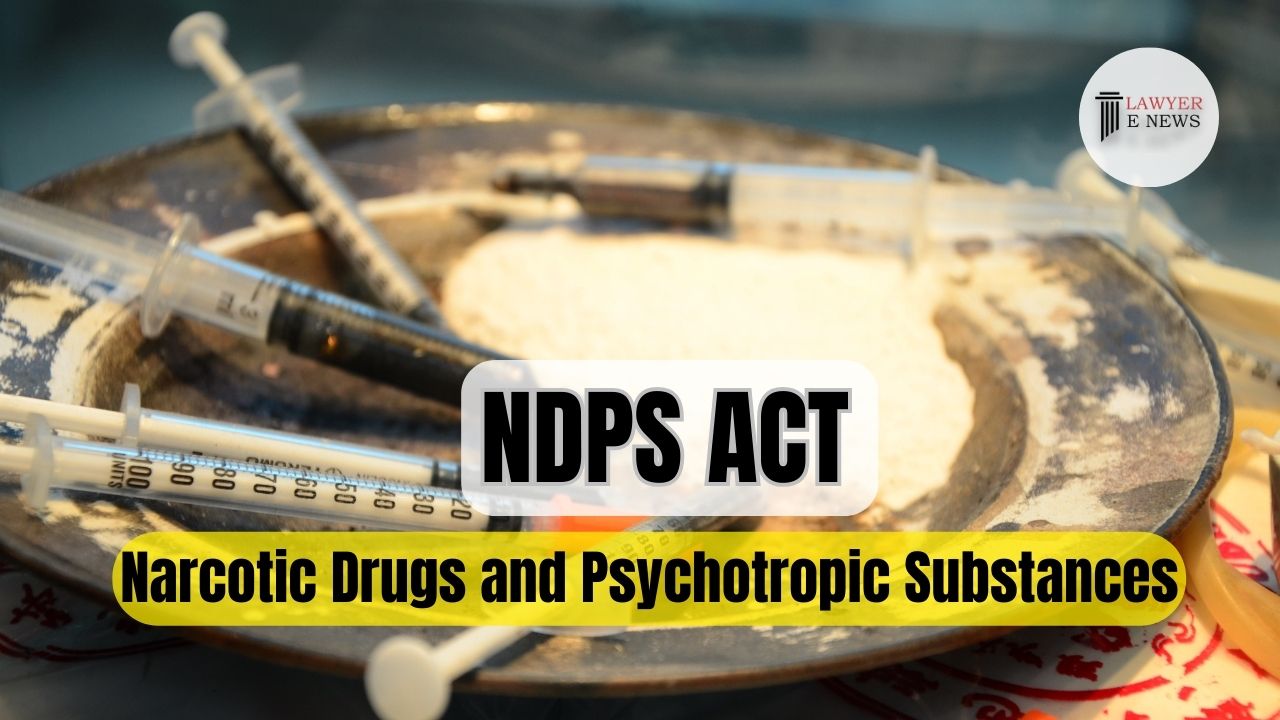
Himachal Pradesh High Court dismisses appeal, affirming the conviction and sentence under Section 20 of the ND&PS Act for possession of 7.490 kg of Charas.
The Himachal Pradesh High Court has upheld the conviction of Kehar Singh and Paras Ram for possession of Charas weighing 7.490 kg, affirming the decision of the trial court. The bench comprising Justices Tarlok Singh Chauhan and Sushil Kukreja highlighted the sufficiency of police testimony in the absence of independent witnesses and dismissed procedural objections raised by the appellants.
On December 19, 2015, during a routine patrolling operation at Sandhil Mode on NH-21, a vehicle was stopped by the police. The driver, Kehar Singh, and the passenger, Paras Ram, were found in possession of a Pithu bag containing Charas. Despite efforts to find independent witnesses, none were available. The contraband was seized, and the accused were arrested on the spot. Subsequently, they were convicted by the trial court under Section 20 of the ND&PS Act and sentenced to ten years of rigorous imprisonment with a fine of Rs. 1,00,000 each.
The court emphasized the reliability of the police officials’ testimonies, stating, “Testimonies of official witnesses, including police officials, carry the same evidentiary value as any other witness.” The bench noted that the police officers’ statements were consistent and remained unshaken during cross-examination.
Addressing the appellants’ contention regarding the absence of independent witnesses, the court held, “Non-association of independent witnesses or non-supporting by independent witnesses itself is not a ground for acquittal.” The judgment cited precedents where the Supreme Court upheld convictions based on police testimony alone when independent witnesses were not available.
The appellants argued that non-compliance with Section 52A, which mandates inventory and certification of seized contraband, vitiated the prosecution’s case. The court refuted this claim, noting that the entire contraband was promptly sent for chemical analysis and produced in court. “Non-compliance with procedural technicalities did not prejudice the appellants’ defense,” the bench observed.
The court dismissed the appellants’ allegation that the contraband was planted by the police. It highlighted the lack of evidence of enmity with the police and the improbability of planting such a large quantity of Charas. The judgment stated, “The prosecution proved the guilt of the appellants beyond reasonable doubt, with consistent and credible testimony of official witnesses.”
Justice Tarlok Singh Chauhan remarked, “Conviction based solely on the evidence of police officials is well-established if the testimony is reliable and trustworthy.”
The High Court’s dismissal of the appeal reaffirms the judiciary’s stance on the credibility of police testimony in narcotics cases, even in the absence of independent witnesses. This judgment underscores the importance of scrutinizing official witness statements and ensures that procedural lapses do not overshadow substantive evidence. The decision serves as a significant precedent in cases under the ND&PS Act, bolstering the legal framework for prosecuting drug-related offenses.
Date of Decision: July 01, 2024
Kehar Singh & Anr. Vs. State of Himachal Pradesh