-
by sayum
25 August 2026 5:15 AM







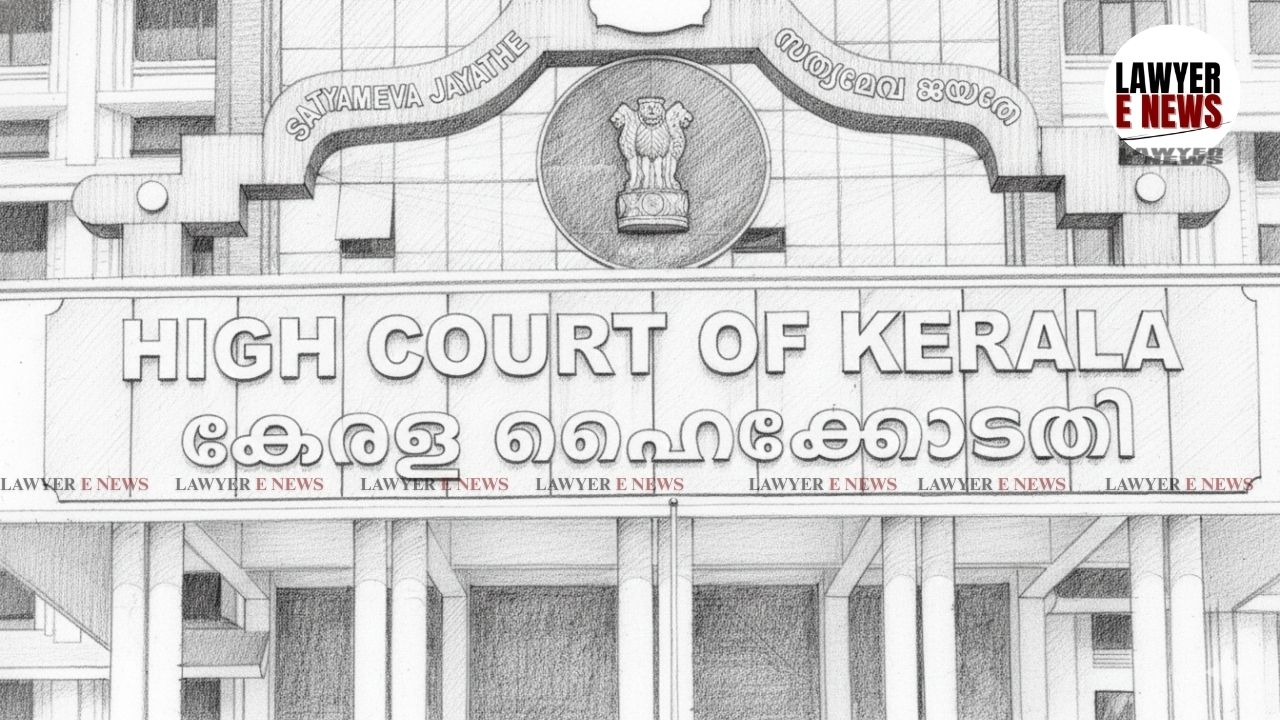
“The liability of an endorser under the Consumer Protection Act is confined to proceedings under Section 21 – Not for unfair trade practices or deficiency of service unless direct involvement in the transaction is shown,” High Court of Kerala addressing a crucial legal question under the Consumer Protection Act, 2019: Can a brand ambassador be proceeded against in a consumer complaint in the absence of any direct nexus with the consumer transaction?
Allowing the writ petition, Justice Ziyad Rahman A.A. categorically held that mere endorsement or promotional association with a service provider does not give rise to consumer liability under the Act. The Court quashed the orders passed by both the District Consumer Disputes Redressal Commission, Thiruvananthapuram, and the Kerala State Consumer Disputes Redressal Commission, observing that the consumer complaint filed against the actor was “not maintainable”.
“Endorser Cannot Be Treated As A Service Provider Merely For Appearing In An Advertisement”
The central issue before the Court was the maintainability of a consumer complaint (C.C. No. 196 of 2022) against Mohanlal, who was impleaded solely in his capacity as a brand ambassador of Manappuram Finance Ltd., the financial institution accused of misleading consumers regarding interest rates for gold loans.
The complainants alleged that the interest rate promised at the time of loan disbursal—based on advertisements featuring Mohanlal—was not honoured, resulting in excess interest being collected. They sought ₹25 lakhs as compensation for mental agony and other losses.
However, the Court, after analyzing the pleadings, statutory definitions, and legal framework under the Consumer Protection Act, 2019, found that the complaint did not establish any direct privity or inducement by the actor. Justice Rahman noted:
“Merely because a person falls within the definition of ‘endorser’, he cannot be mulcted with liability for unfair trade practice or deficiency of service, unless the direct link between the relevant transaction and the endorser is established.”
Only Central Consumer Authority Can Proceed Against Endorsers Under Section 21
Interpreting the legislative intent, the Court stressed that the only statutory mechanism for proceeding against a brand endorser is found in Section 21 of the Consumer Protection Act, 2019, which empowers the Central Consumer Protection Authority (CCPA) to issue directions and impose penalties in case of false or misleading advertisements.
The Court noted:
“In any of the other provisions of the Consumer Protection Act, 2019, there is no reference to ‘endorser’. Therefore, as far as consequences arising from deficiency of service or unfair trade practices are concerned, liability can be imposed upon an endorser only when a direct link is established between the service and the consumer.”
The judgment underscores that a Consumer Commission has no jurisdiction to entertain a complaint against an endorser in the absence of a transactional nexus, and such matters fall squarely within the corrective and punitive domain of Section 21 proceedings.
The Court further observed:
“An act can be treated as an unfair trade practice only when the service provider fails to provide the services as advertised. Even if the advertisement forms the basis of the grievance, the responsibility lies on the service provider who failed to honour the advertised terms.”
No Persuasion, No Privity: Allegations Against Mohanlal Found Unsustainable
Carefully examining the pleadings in the consumer complaint, the Court found that the only reference to the actor was that he appeared in media advertisements, which allegedly conveyed the promise of lower interest rates. However, there was no specific averment that Mohanlal personally induced the complainants to enter into the transaction or directly assured any term of the service.
Justice Rahman held:
“It is not discernible that the petitioner, the second opposite party, had in any manner persuaded the complainants to avail the services... Thus, no direct link is established between the petitioner and the complainants.”
Accordingly, the Court ruled that neither unfair trade practice nor deficiency of service could be attributed to the actor under the given facts.
District and State Consumer Commissions Reversed for Ignoring Statutory Limits
The Court found that the District and State Consumer Commissions had both erred in rejecting the actor’s preliminary objections to maintainability. Their orders were termed as having been passed “without appreciating the statutory limitations on endorser liability”.
Terming the continuation of proceedings against the actor as an abuse of process, the Court exercised its writ jurisdiction under Article 226, holding:
“Unless the complaint discloses specific averments showing direct involvement of the endorser in inducing the transaction, a complaint against the endorser is not maintainable.”
Liberty Reserved to Invoke Section 21 Proceedings Against Advertisements
Importantly, while granting relief to the actor, the Court made it clear that this judgment did not prevent the complainants from pursuing other statutory remedies. The Court clarified:
“If the complainants have any grievance with respect to the nature of the advertisement, it shall be open to them to invoke the remedy of approaching the competent authority under Section 21...”
Thus, the door remains open for the CCPA to act, if misleading advertisement is proved.
With this ruling, the Kerala High Court has clarified a vital legal position under the Consumer Protection Act, 2019 — that endorsers, including brand ambassadors and celebrities, cannot be proceeded against before consumer commissions unless a direct nexus with the consumer transaction is established. Their liability is limited to proceedings under Section 21, initiated by the Central Consumer Protection Authority, and not under individual consumer complaints alleging unfair trade practices or deficiency in service.
This decision not only exonerates Mohanlal from liability in this case, but sets a precedent likely to impact the larger debate on the accountability of celebrity endorsers under consumer law.
Date of Decision: 29 October 2025