-
by sayum
07 October 2026 2:59 PM







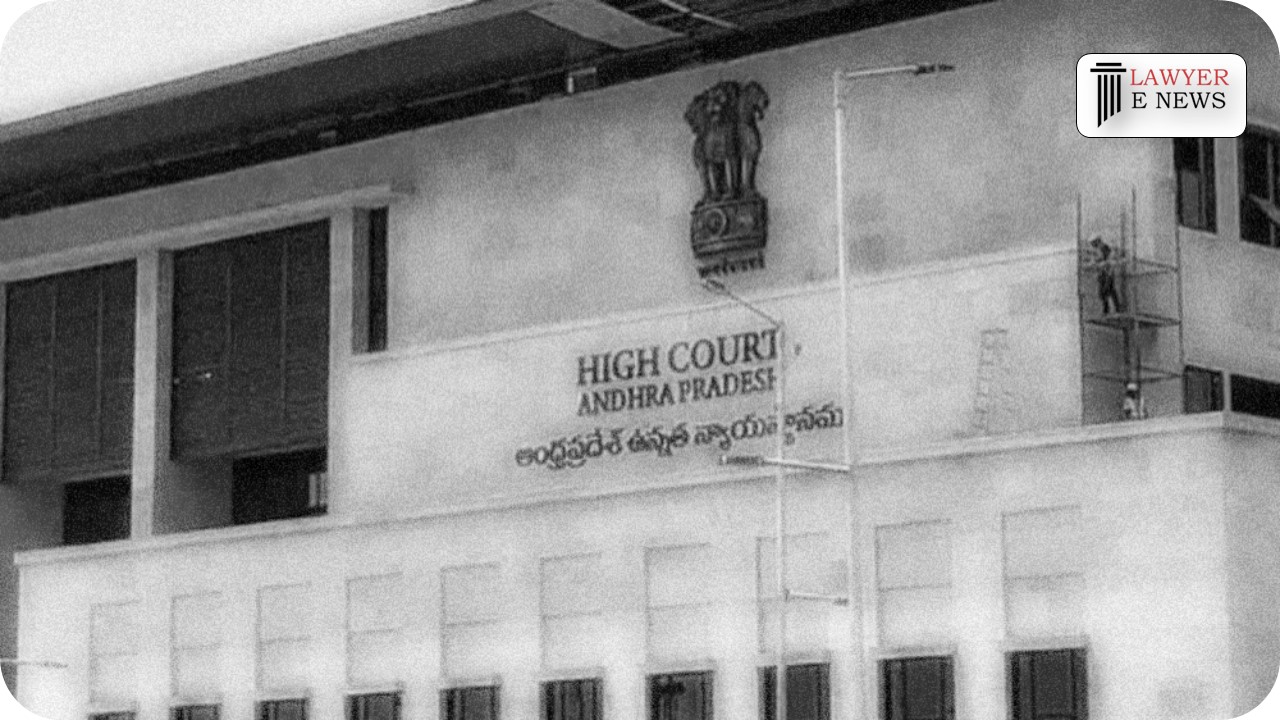
Justice B.V.L.N. Chakravarthi Upholds Compensation in Motor Accident Case
The High Court of Andhra Pradesh has dismissed an appeal by The Oriental Insurance Company Ltd., affirming the compensation awarded by the Motor Accidents Claims Tribunal-cum-I Additional District Judge, Ongole. The case revolved around a motor vehicle accident in which the petitioner sustained severe injuries. The judgment, delivered by Justice B.V.L.N. Chakravarthi, upheld the tribunal’s decision to award Rs. 4,77,130/- with 9% annual interest to the petitioner, stressing the validity of the driver’s license and the lack of evidence showing the owner’s knowledge of any license issues.
The petitioner, employed as a postman and owner of agricultural land, was involved in a motor vehicle accident on August 3, 2006. The accident occurred when the Tata Sumo in which the petitioner and his friends were traveling hit a roadside tree due to the rash and negligent driving of the first respondent. The petitioner sustained grievous injuries and incurred significant medical expenses. Subsequently, the petitioner filed a claim under Section 166 of the Motor Vehicles Act, 1988, seeking compensation for the injuries sustained.
The primary contention from The Oriental Insurance Company was that the driver did not possess a valid license to drive a light motor transport vehicle. The appellant argued that this breach of Rule 3 of the Central Motor Vehicle Rules, 1989, should absolve the insurance company of liability. However, the court found this argument unsubstantiated. Justice Chakravarthi observed, “Ex.B-2 driving license would show that the driver of the crime vehicle was having valid and effective driving licence to drive light motor non-transport vehicle on the date of accident.” Furthermore, there was no evidence presented to show that the vehicle owner was aware of any invalidity in the driver’s license.
The insurance company also challenged the 9% annual interest awarded on the compensation, arguing it was excessive compared to prevailing bank interest rates at the time. The High Court found no merit in this argument, stating that the tribunal’s decision was reasonable given the circumstances of the case.
The court reinforced the principle that a driver’s valid license for a light motor non-transport vehicle suffices, unless specific evidence shows the owner’s knowledge of the driver’s incompetency or invalid license. Citing the Supreme Court ruling in Sant Lal v. Rajesh and others, the judgment clarified, “We have answered the question that driver having licence to drive light motor vehicle can drive such a transport vehicle of LMV class and there is no necessity to obtain separate endorsement.”
Justice Chakravarthi remarked, “There is no evidence on record to show that the owner of the crime vehicle i.e., insured had knowledge that the driver was not having valid driving license to drive the light motor transport vehicle on the date of accident.”
The High Court’s dismissal of the appeal underscores the judiciary’s commitment to upholding justified compensation in motor accident cases and clarifying the scope of driving license validity. By affirming the lower court’s findings, the judgment sets a precedent for similar cases, reinforcing the legal framework surrounding motor vehicle accidents and insurance liabilities.
Date of Decision: 24th June 2024
The Oriental Insurance Company Ltd. Vs. Gangireddy Anji Reddy and Others