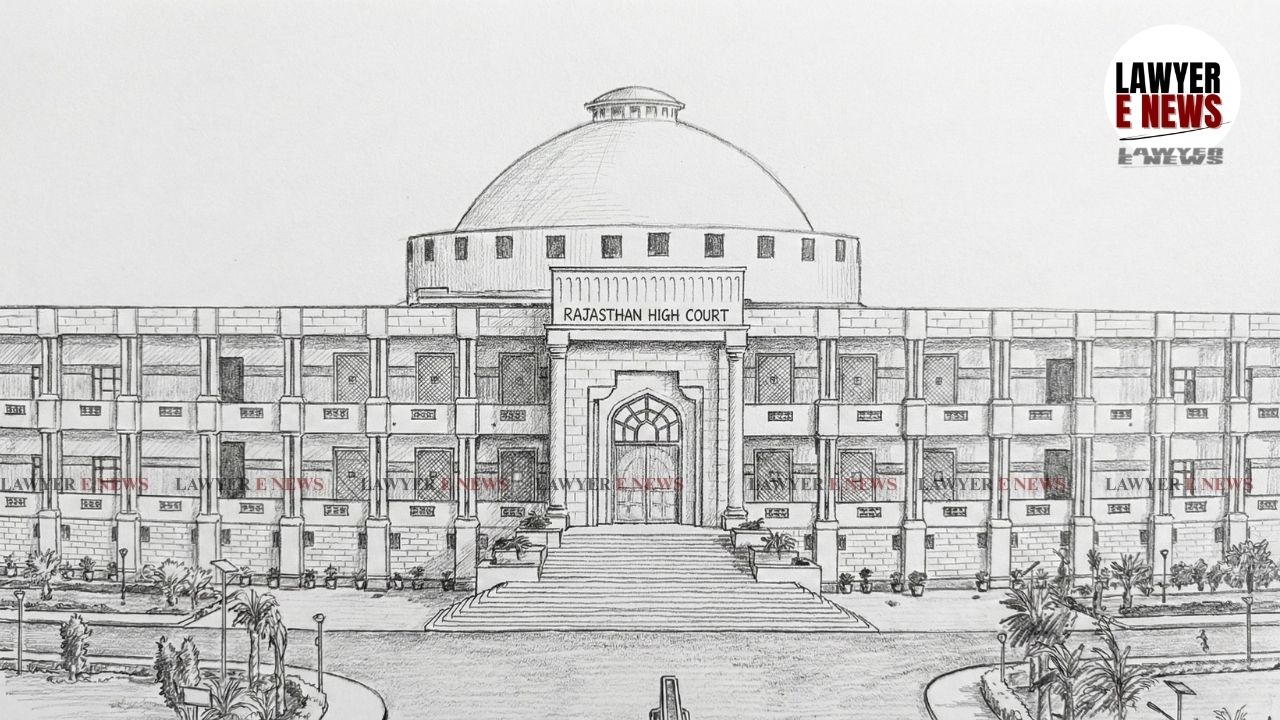
-
by sayum
27 August 2026 3:32 PM








Himachal Pradesh High Court, in a significant ruling, held that the dismissal of an appeal filed by one co-defendant for non-prosecution renders the underlying decree final, thereby barring pending appeals by other defendants on the same grounds under the principle of res judicata.
A bench of Justice Rakesh Kainthla observed that allowing such pending appeals to proceed could lead to the impermissible situation of "conflicting decrees" regarding the same subject matter.
The dispute originated from a civil suit filed by the plaintiffs for possession of a room measuring 18' x 12' and an injunction against the defendants, whom they characterized as trespassers. The Trial Court and the First Appellate Court concurrently held that the revenue entries supported the plaintiffs' ownership and that the defendants had no title to the land, subsequently decreeing the suit for vacant possession. While multiple defendants filed second appeals, one such appeal was dismissed by the High Court for non-prosecution in 2008, while the present appeals remained pending.
The primary question before the court was whether the dismissal of a co-defendant's appeal for non-prosecution operates as res judicata against the remaining appellants. The court was also called upon to determine if the surviving appellants could invoke Order 41 Rule 4 of the CPC to challenge the entire decree despite the finality attained against their co-defendant.
Order 41 Rule 4 CPC Unavailable Once All Defendants Have Filed Appeals
The appellants argued that under Order 41 Rule 4 of the CPC, one defendant can obtain a reversal of the whole decree if it proceeds on a ground common to all. However, the Court rejected this contention, relying on the Supreme Court’s precedent in Rameshwar Prasad vs. Shyam Beharilal Jagannath. The Court noted that Rule 4 is a provision that enables the filing of an appeal by one party on behalf of others at the initial stage.
The Court observed that once all defendants have joined in an appeal or filed their own appeals, the provisions of Order 41 Rule 4 become "unavailable." Justice Kainthla emphasized that this rule cannot be used to override the abatement of an appeal or the finality of a decree that has already been established against one of the parties.
"Once an appeal has been filed by all the plaintiffs, the provisions of Order XLI, Rule 4 became unavailable."
Dismissal For Non-Prosecution Leads To Finality Of Decree
The Court highlighted that the dismissal of RSA No. 368 of 2006, preferred by the co-defendant Avtar Chand, meant that the decree for vacant possession in favor of the plaintiffs had attained finality against him. The Court reasoned that if it were to adjudicate the present appeals and potentially dismiss the suit, it would create two contradictory judicial orders for the same property.
The bench noted that it is "impermissible to set aside a final decree and order the dismissal of the suit" through a subsequent appeal when the same relief was already effectively denied in a connected matter. This necessity to maintain judicial consistency triggers the bar of res judicata.
"The necessary consequence of the dismissal of the earlier appeal would be that the present appeals are to be dismissed as barred by the principle of res judicata."
Judicial Precedents On Res Judicata In Procedural Dismissals
Addressing the nature of dismissal for non-prosecution, the Court referred to its previous rulings in Prem Raj Sharma vs. Baldev Verma and Asha Devi vs. Dau Dayal. It held that a decision rendered under the provisions of the CPC, even if not on merits but resulting in the dismissal of the claim, operates as res judicata.
The Court reiterated that the relief not expressly allowed or pursued in the earlier appeal is deemed to have been declined. Consequently, the identity of the title and the parties being the same, the claim of the remaining defendants stood "negatived" by the finality of the first dismissal.
"A decision rendered under the provisions of Order XVII Rule 3 CPC will operate as res judicata and bar a second suit for the same relief."
The High Court concluded that the substantial questions of law originally framed had become redundant in light of the procedural bar. By dismissing the appeals, the Court affirmed that the finality of a decree against one co-defendant precludes the remaining defendants from re-agitating the same common grounds, ensuring that the plaintiffs' right to possession is not frustrated by conflicting outcomes.
Date of Decision: 16 April 2026