Consensual Relationship That Later Turns Sour Is Not Rape: Andhra Pradesh High Court Grants Bail in Breach of Promise Case Double Presumption of Innocence Applies; No Interference Unless Trial Court Judgment Is Perverse: Allahabad High Court in Murder Appeal Under BNSS A Single Act of Corruption Warrants Dismissal – 32 Years of Service Offers No Immunity: Punjab & Haryana High Court Upholds ASI’s Removal Suit Against Trustee Without Charity Commissioner’s Consent Is Statutorily Barred: Bombay High Court Government Can't Deny Implied Surrender After Refusing to Accept Possession: Madras HC Clarifies Scope of Section 111(f) of TP Act Custodial Interrogation Must Prevail Over Pre-Arrest Comfort in Hate Speech Cases: Punjab & Haryana High Court Denies Anticipatory Bail for Provocative Remarks Against Migrants Mutation Order Without Notice Cannot Stand in Law: Orissa High Court Quashes Tahasildar's Rejection for Violating Natural Justice Cruelty Must Be Grave and Proven – Mere Allegations of Disobedience or Demand for Separate Residence Don’t Justify Divorce: Jharkhand High Court Rejects Husband’s Divorce Appeal Retaliatory Prosecution Cannot Override Liberty: Himachal Pradesh High Court Grants Bail in PMLA Case Post CBI Trap of ED Officer Illegal Remand Without Production of Accused Is Not a Technical Lapse, But a Constitutional Breach: Andhra Pradesh High Court Grants Bail in Major NDPS Case Inherent Power Under Section 528 BNSS Not a Substitute for Article 226 When FIR Is Under Challenge Without Chargesheet or Cognizance Order: Allahabad High Court Possession Without Title Is Legally Insubstantial: Gujarat HC Dismisses Appeal By Dairy Cooperative Over Void Land Transfer You Can Prosecute a Former Director, But You Can’t Force Him to Represent the Company: Calcutta High Court Lays Down Clear Limits on Corporate Representation in PMLA Cases Conviction Cannot Rest on Tainted Testimony of Injured Witnesses in Isolation: Bombay High Court Acquits Five in Murder Case One Attesting Witness is Sufficient if He Proves Execution and Attestation of Will as Required by Law: AP High Court Land Acquisition | Delay Cannot Defeat Just Compensation: P&H High Court Grants Enhanced Compensation Despite 12-Year Delay in Review Petitions by Landowners Allegations Implausible, Motivated by Malice: Kerala High Court Quashes Rape Case After Finding Abuse Claims a Counterblast to Civil Dispute Adoptions Under Hindu Law Need No Approval from District Magistrate: Madras High Court Declares Administrative Rejection of Adoptive Birth Certificate as Illegal

Delhi High Court: Demand Notice under CGST Act Set Aside for Violating Principles of Natural Justice

07 May 2024 8:19 AM

By: Admin


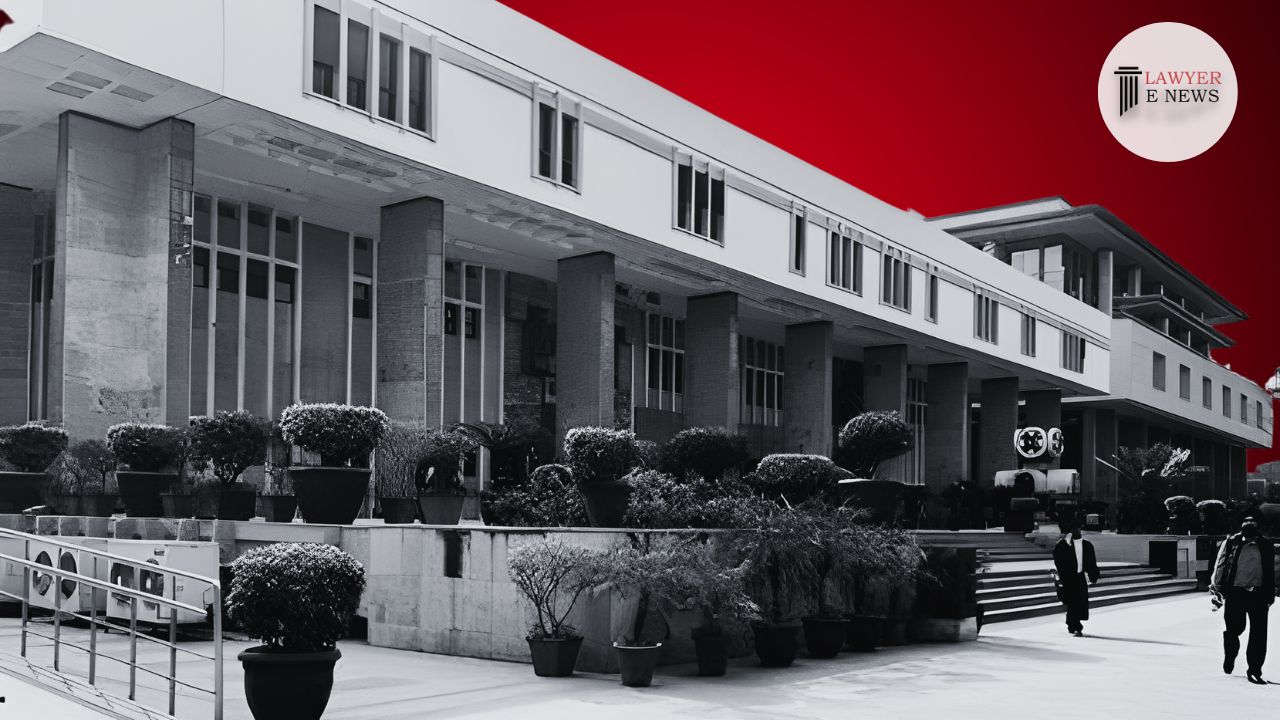
In a significant ruling, the Delhi High Court, comprising Hon’ble Mr. Justice Vibhu Bakhru and Hon’ble Mr. Justice Amit Mahajan, delivered a landmark judgment on 24th July 2023, setting aside a demand order issued under the Central Goods and Services Tax Act (CGST Act). The court found that the demand order was passed without affording the petitioner an opportunity of personal hearing, thereby violating fundamental principles of natural justice.

The petitioner, represented by eminent advocates Mr. Chinmaya Seth and Mr. A.K. Seth, challenged the validity of the demand order, raising a substantial tax demand against them. They contended that the order was passed without granting them a fair chance to present their case, which is a fundamental right enshrined in Article 226 of the Constitution of India.

The court observed, “The principles of natural justice require a meaningful opportunity for a party to present its arguments,” highlighting the importance of a proper personal hearing rather than mere telephonic conversations or office visits. The lack of clarity in the date of the hearing proceedings further substantiated the petitioner’s claim.

Referring to the relevant statutory provisions, the court emphasized that Section 75(4) and Section 75(5) of the CGST Act make it mandatory to grant an opportunity of hearing to the affected party upon receiving a written request or when contemplating any adverse decision. The court affirmed that such hearings are not mere formalities but essential aspects of audi alteram partem, the principle that no one should be condemned unheard.

Despite the availability of alternate remedies, the court asserted that the availability of an alternate remedy does not necessarily bar the writ jurisdiction. The High Courts have the discretionary power to entertain writ petitions, especially when there is a clear violation of principles of natural justice or statutory provisions.

The court also expressed its displeasure over the respondent’s conduct for failing to file a counter affidavit and contesting the case without a proper response. As a consequence, the respondent was directed to pay a cost of ₹5,000, and action may be taken against the officer responsible for the misconduct.

Delhi High Court set aside the impugned demand notice and remanded the matter to the respondent for passing a fresh order after providing the petitioner with a proper and fair opportunity to be heard.

Date of Decision: 24th July 2023

M/S JUPITER EXPORTS   vs COMMISSIONER OF GST     

Latest Legal News