-
by sayum
19 August 2026 8:35 AM







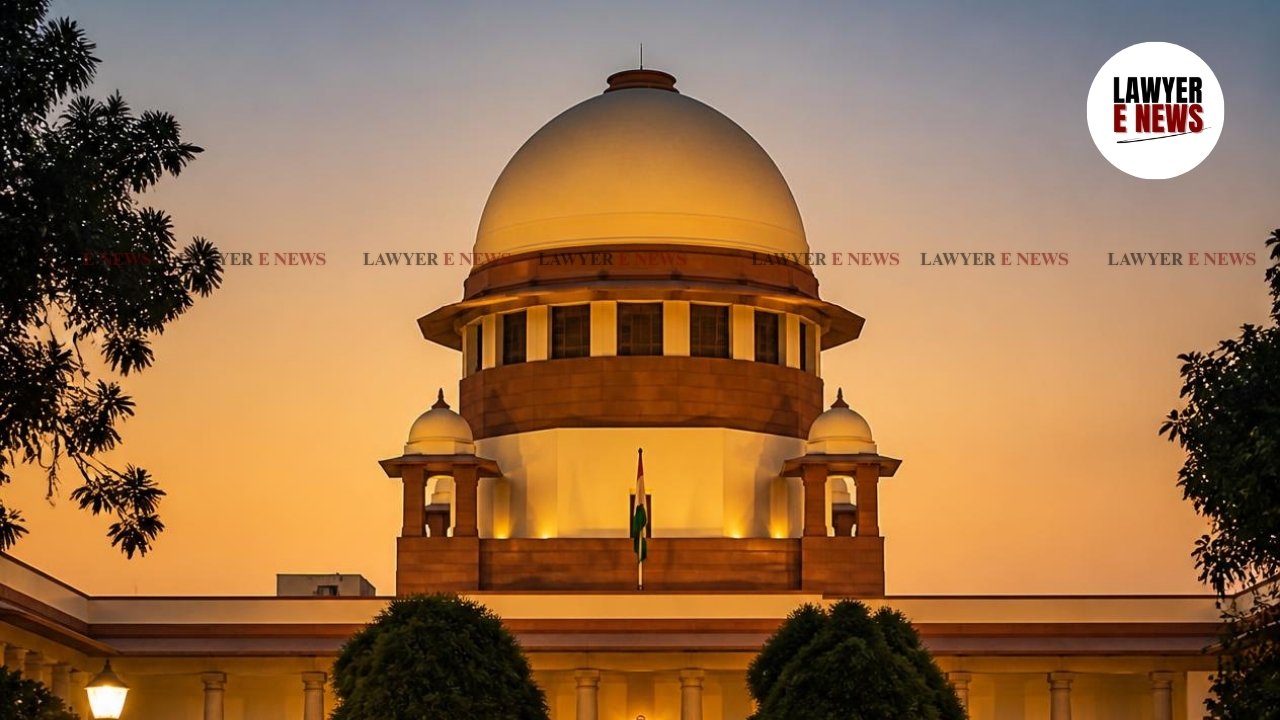
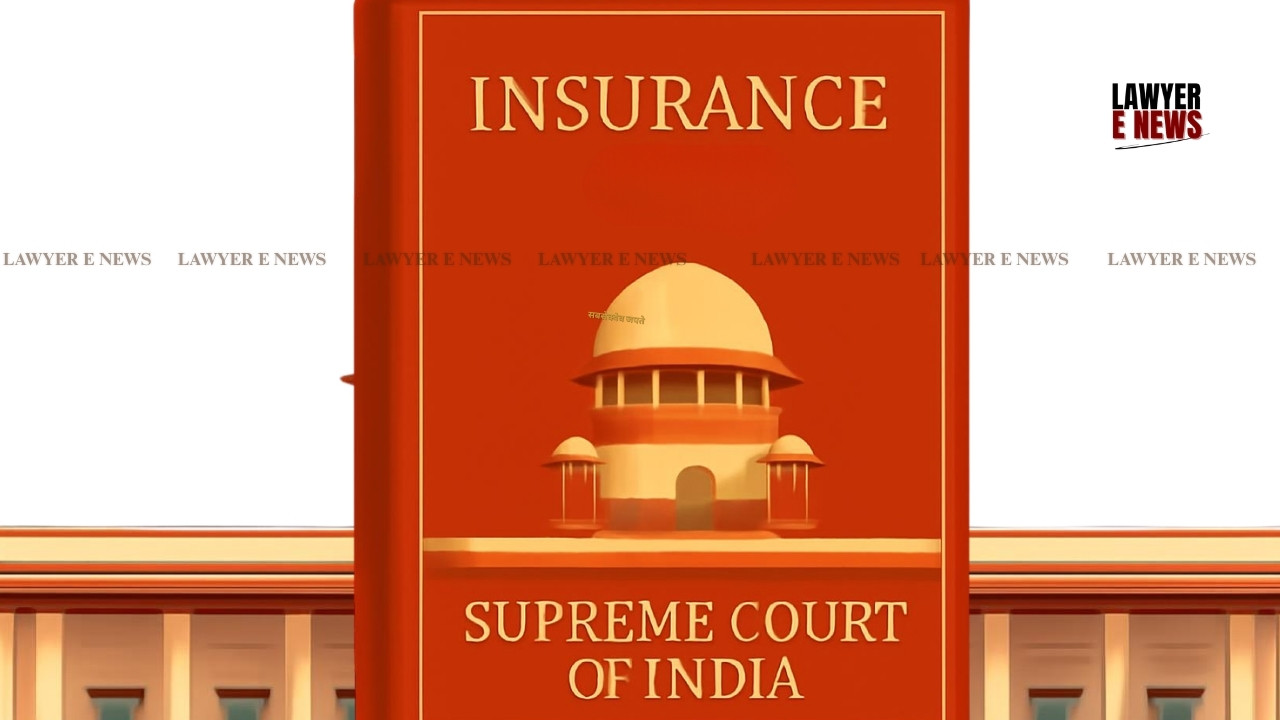
"If the appointment itself is in infraction of the rules... it is an illegality. Such an illegality cannot be cured by resorting to the novel method of absorption which has been explained as appointment by transfer. Illegality, which is distinct and different from irregularity, cannot be regularized by taking a sympathetic view on the ground of long continuance in service." Supreme Court, in a scathing ruling dated August 18, 2026, held that public appointments secured through backdoor methods and political interference are void ab initio and cannot be shielded by courts on grounds of long service or judicial sympathy.
A bench of Justice Manoj Misra and Justice Ujjal Bhuyan observed that the absorption of deputationists contrary to statutory rules strikes at the root of Article 14 and 16 of the Constitution of India, setting aside a Punjab and Haryana High Court judgment that had regularized illegal appointees.
The dispute arose from the controversial deputation and subsequent absorption of four officers from the Development and Panchayat Department into the Public Works Department (Building and Roads), Government of Haryana, as Assistant Engineers (Civil). These appointments, initiated largely through direct ministerial interventions while direct recruitment processes were underway, triggered multiple rounds of litigation by regularly selected direct recruits and affected promotees who challenged the displacement of their legitimate seniority.
The primary questions before the court were whether the deputation and subsequent absorption of the four officers under Rule 10 of the Punjab Service of Engineers, Class II, P.W.D. (Buildings and Roads Branch) Rules, 1965 were legal, valid, and justified. The court was also called upon to determine whether the High Court erred in sustaining their continued service while altering their seniority positions.
Statutory Framework Governing Recruitment And Transfer
Analyzing the 1965 Rules framed under the proviso to Article 309 of the Constitution of India, the bench noted that Rule 6 mandates that recruitment to cadre and ex-cadre posts must be strictly made in the ratio of 50 percent by direct recruitment and 50 percent by promotion. The court observed that appointment by transfer under Rule 10 is an extraordinary mechanism requiring specific "special circumstances" and the prior approval of the Public Service Commission, rather than a regular mode of recruitment to accommodate surplus officers from other departments.
"Special Circumstances" Must Be Exceptional
The bench firmly rejected the state's contention that acute shortage of staff or routine accrual of vacancies constituted "special circumstances" under Rule 10. Interpreting the expression through the lens of legislative intent and legal lexicons, the court held that special circumstances denote situations out of the ordinary, such as specialized skills required for specific projects, rather than administrative backlogs or routine vacancies.
"Special circumstances would mean something which is more than normal or routine. Accrual of vacancies in a cadre is a routine phenomenon; this is not something which is unusual or abnormal."
Deputation Cannot Be Used As A Backdoor Entry
The court analyzed service jurisprudence surrounding deputation, reiterating that deputation is a temporary arrangement resting on tripartite consensus, public interest, and strict adherence to service discipline. The bench severely indicted the conduct of the private respondents, noting that three of them had failed the direct recruitment examinations conducted by the Haryana Staff Selection Commission, subsequently achieving through executive patronage and absorption what they could not secure on merit.
"After he had failed in the direct recruitment process, he managed to get appointment in the same post in the said Department by such absorption, thus achieving indirectly what he could not achieve directly."
Illegality Cannot Be Cured By Long Continuance
Addressing the High Court’s decision to protect the services of the private respondents on the ground that they had served for over 18 years and had lost their liens in their parent department, the Supreme Court ruled that the High Court committed a grave error. Citing the Constitution Bench ruling in Secretary, State of Karnataka v. Umadevi, the bench emphasized that an illegality is void ab initio and cannot be regularized by efflux of time or judicial sympathy.
"Illegality means something which is contrary to law; something which is wrong right from the inception. It is void ab initio. Illegality cannot be cured and made legal and valid by lapse of time."
Revival Of Liens In Parent Department
The court clarified that when an appointment is found to be void and set aside, the employees must be repatriated to their parent department, where their original liens stand automatically revived. The principle that no government servant can simultaneously hold multiple liens dictates that the termination of illegal absorption restores the civil servant's substantive standing in their original cadre.
Final Directions And Quashing Of Impugned Order
Concluding that the deputation of Shri Pradeep Atri and Shri Praveen Chaudhary was illegal, and that of Shri Pankaj Gaur and Shri Arun Bhatia was irregular, the Supreme Court declared the entire absorption process to be non est and void. The court set aside the High Court's judgment to the extent it protected the continued service of the four officers, directed their immediate repatriation to the Development and Panchayat Department, and ordered that their seniority be determined strictly in their parent cadre.
Date of Decision: 18 August 2026