-
by sayum
27 August 2026 3:32 PM







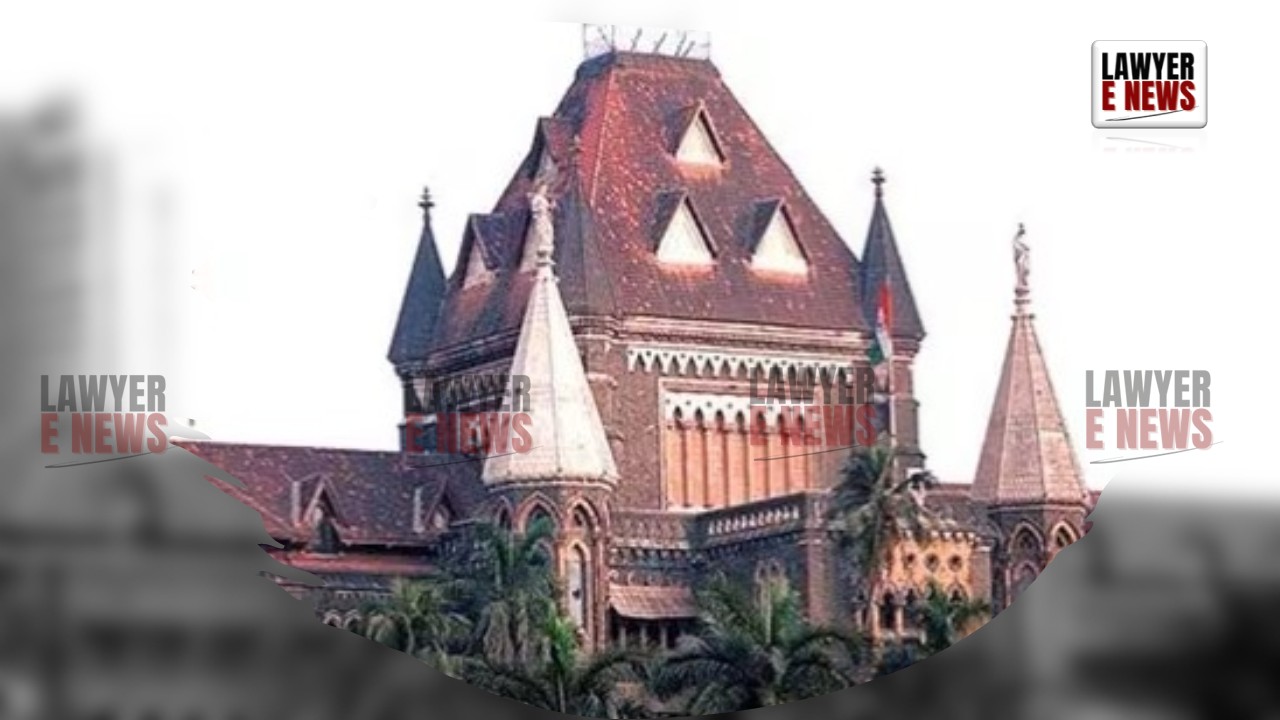
"Petitioner is clearly a person aggrieved by the recommendations made by the ICC and has a statutory right to prefer an appeal in the manner prescribed under the POSH Act." Bombay High Court, in a significant ruling dated April 20, 2026, held that a person whose case is closed by the Internal Complaints Committee (ICC) is nonetheless a "person aggrieved" and possesses a statutory right to appeal under Section 18 of the POSH Act.
A bench of Justice Dr. Neela Gokhale observed that the right to appeal is not contingent upon showing "direct injury," quashing a Tribunal's order that had dismissed an appeal by an exonerated employee as not maintainable.
The case arose after a woman employee filed a sexual harassment complaint against the Petitioner but subsequently retracted it, stating she was coerced by her Principal (Respondent No. 3). Although the ICC closed the proceedings, its report described the instigator as an "unknown source" despite the Principal being specifically named in the retraction letter. The Petitioner’s appeal against this omission was dismissed by the Industrial Tribunal on the grounds that he suffered no direct injury from the ICC's final recommendations.
The primary questions before the court were whether an exonerated employee remains a "person aggrieved" under Section 18 of the POSH Act and whether the ICC can selectively omit names in its inquiry report. The court was also called upon to determine if Section 14 of the Act allows for the punishment of a third-party instigator who was not the actual complainant.
Statutory Right To Appeal Under Section 18 Is Absolute
The Court scrutinized the maintainability of the appeal filed under Section 18 of the Sexual Harassment of Women at Workplace (Prevention, Prohibition and Redressal) Act, 2013. It noted that the Petitioner was aggrieved by the specific conclusions recorded by the ICC, particularly the omission of the instigator's name. The Bench clarified that the statutory right to prefer an appeal is not restricted to cases where a party suffers a direct or tangible injury.
Justice Gokhale observed that the Industrial Tribunal committed a jurisdictional error by holding that the retraction statement’s unverified nature made the appeal non-maintainable. The Court emphasized that the Petitioner was well within his rights to challenge the "recommendations and findings" of the ICC if they were factually incomplete or legally flawed.
"It is not necessary for the Petitioner or a person aggrieved by the ICC’s recommendation to show any direct injury caused to him."
ICC Cannot Selectively Omit Facts Named In Retraction Letters
The High Court found that the ICC had failed in its duty by recording the source of instigation as "unknown" when the complainant's letter explicitly named the Principal. The Court held that since the ICC chose to rely on the retraction letter to close the case, it could not selectively ignore the portions of that same letter that identified the perpetrator of the false complaint.
The Bench noted that once the ICC accepts a retraction which names a specific person as the instigator, it is bound to reflect that name in its findings. Failing to do so constitutes an error that the Appellate Authority is empowered to correct. The Court remarked that the Petitioner’s grievance regarding this omission was valid and should have been addressed on its merits.
"The ICC cannot selectively omit to name the source of instigation, when he is named in the same retraction letter."
Section 14 Punishment Limited To Complainants, Not Instigators
While the Court supported the Petitioner’s right to appeal, it clarified the scope of Section 14 of the POSH Act regarding punishments for malicious complaints. The Court held that the power to recommend action for a false complaint is strictly limited to the "aggrieved woman" or the person who filed the complaint under Section 9. Since the Principal was an instigator and not the complainant, the ICC could not recommend action against him under this specific statute.
The Court explained that the POSH Act is a special legislation with a defined scope, and its penal provisions cannot be stretched to cover third parties who are not the authors of the complaint. However, the Bench clarified that this statutory limitation under the POSH Act does not grant immunity to instigators from other disciplinary or legal proceedings.
"The statute does not provide for action/punishment... against a person who may have instigated a woman or a person making the complaint."
Correction Of Inquiry Report Under Article 227
Exercising its supervisory jurisdiction under Article 227 of the Constitution, the High Court decided to correct the ICC’s report directly rather than remanding the matter. The Bench observed that remanding the case to the Tribunal for a limited correction would be an exercise in futility. It ordered that the words "unknown source" in the ICC report be modified to specifically name the Principal.
The Court allowed the petition partly, quashing the Industrial Tribunal’s dismissal and modifying the ICC Inquiry Report to reflect that the Principal instigated the false complaint. While it rejected the prayer for disciplinary action under the POSH Act itself, it granted the Petitioner liberty to initiate appropriate proceedings against the Principal in other competent forums.
Date of Decision: 20 April 2026