-
by sayum
04 August 2026 1:39 PM







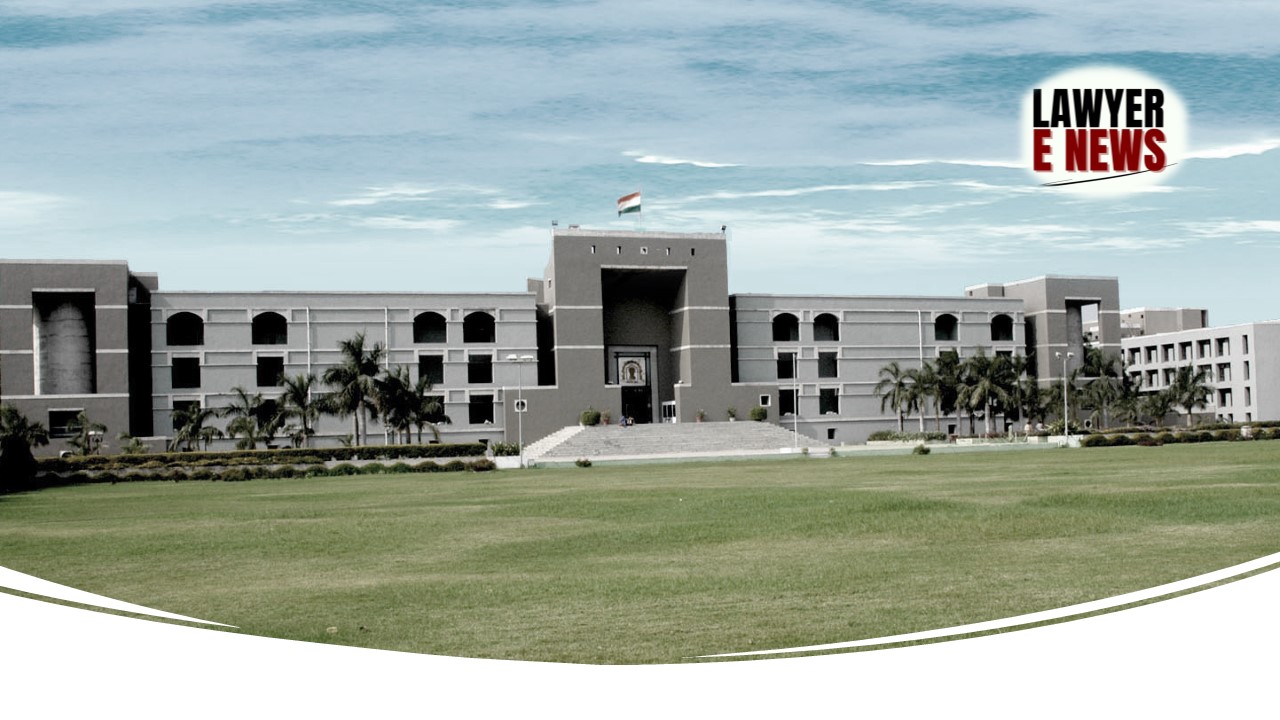
“Plaintiff Failed to Produce Power of Attorney – Sale Deed Becomes Legally Suspect” - Gujarat High Court refused to interfere with concurrent findings of the lower courts, dismissing a second appeal filed by the plaintiff who had claimed ownership of property on the basis of a sale deed allegedly executed through a power of attorney. Justice Sanjeev J. Thaker ruled that the failure to produce the original power of attorney document rendered the plaintiff’s title claim unsustainable in law and fact, and held that no substantial question of law arose under Section 100 CPC.
The plaintiff claimed to have acquired the suit property via three sale deeds executed in the year 2000, based on a prior sale deed dated 25.02.1993, said to be executed through a power of attorney by the original owners Avniben and Deepaben Makodi. However, no documentary evidence of the power of attorney was placed on record. The property was also subject to earlier litigation where the defendants had obtained injunctive relief against the same sellers, and the sale deeds in the plaintiff’s favour were claimed to be a product of fraud.
Both the Trial Court and the First Appellate Court dismissed the plaintiff’s suit, holding that he failed to establish ownership or possession. The second appeal before the High Court questioned the correctness of these findings.
“No Documentary Evidence That Moti Ramchandra Gurbakshani Held Power of Attorney”
The Court critically observed: “There is no documentary evidence that Moti Ramchandra Gurbakshani had any power of attorney from Amiben, Deepaben and Avniben Makodi.”
This absence, the Court held, was not a minor procedural lapse but went to the root of the plaintiff’s case. Without proving the agency of the person who executed the sale, the title could not be claimed: “Neither the plaintiff has challenged the sale deed executed in favour of the defendant nor has he produced the power of attorney, by virtue of which the appellant is claiming to be the owner.”
“Plea of Challenge to Defendant’s Title Was Abandoned and Cannot Be Revived”
Earlier, the plaintiff had unsuccessfully sought to amend the suit to challenge the sale deeds in favour of the defendants. That application was dismissed and not pursued. The High Court held this omission to be fatal: “Once the amendment to challenge the sale deed has been rejected and not carried in appeal, the plaintiff cannot now raise the issue indirectly.”
“The Plaintiff Has Not Shown That He Was Ever in Possession”
It was also held that the plaintiff was never in possession and had no basis to seek a permanent injunction: “In absence of possession, no relief for injunction can be granted. The trial court rightly held that no case for ownership or injunction was made out.”
On Misplaced Reliance on Case Law:
The Court distinguished several authorities cited by the appellant. In particular, Manik Majumder v. Dipak Kumar Saha was found inapposite since in that case the power of attorney was on record and unchallenged, unlike here: “The ratio of that case cannot help the appellant when the power of attorney itself is missing from the record.”
The Gujarat High Court concluded that both the Trial Court and the Appellate Court had rightly rejected the plaintiff’s claim as unsubstantiated: “The plaintiff has failed to prove his title or possession. This Court finds no perversity or illegality in the concurrent findings. No substantial question of law arises.”
The second appeal was dismissed with a limited stay of four weeks to enable the appellant to seek further recourse.
Date of Decision: 9 May 2025