-
by sayum
02 October 2026 8:27 AM







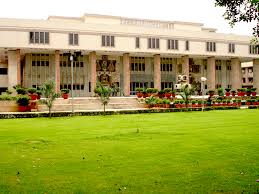
Delhi High Court dismisses petitioners’ claims, affirms DDA’s right to reclaim land for public and ecological benefit.
The Delhi High Court has dismissed a writ petition filed by Mangal and others, seeking to prohibit the Delhi Development Authority (DDA) from taking possession of agricultural land they claimed to have occupied since 1962. The judgment, delivered by Justice Dharmesh Sharma, underscored the importance of environmental protection and upheld the DDA’s right over the Yamuna floodplains, highlighting the lack of legal title and continuous unauthorized occupation by the petitioner
The court noted that the initial lease was temporary, ending in 1963, with no subsequent renewals or rent payments. The petitioners’ claim of continuous cultivation was unsupported by any rent receipts or lease renewals. Justice Sharma emphasized the temporary nature of the original allotment and the lack of legal title for continued occupation.
The court acknowledged the DDA’s consistent stance that the land was government property, as evidenced by historical records. It was highlighted that the land was recorded as government land in the 1973-74 revenue records, and the petitioners were unauthorized cultivators post-1964.
The court emphasized the environmental importance of the Yamuna floodplains, classified as “Zone O,” subject to Supreme Court and National Green Tribunal (NGT) orders for removal of encroachments and ecological restoration. The DDA’s project for Yamuna Vanasthali, involving demarcation and reforestation, was highlighted as a significant public interest initiative.
The court addressed the procedural validity of the eviction orders under the PP Act. Despite acknowledging procedural lapses, such as invalid show cause notices, the court maintained that these did not grant title or possession rights to the petitioners. The Appellate Authority’s 1995 decision quashing the eviction orders was deemed non-binding on title issues, reinforcing that the petitioners were rank encroachers.
Justice Sharma remarked, “The petitioners have no legal right to claim possession of the land. The encroachments must be removed in public interest, especially considering the environmental significance of the Yamuna floodplains.”
The Delhi High Court’s dismissal of the writ petition reaffirms the judiciary’s commitment to environmental protection and public interest. By upholding the DDA’s right over the Yamuna floodplains and emphasizing the importance of legal title and environmental restoration, the judgment sets a significant precedent. The decision highlights the need for strict adherence to legal processes and reinforces the legal framework for addressing unauthorized occupation of public lands.
Date of Decision: July 16, 2024
Mangal & Ors. V. Union of India & Ors.