Mere Allegations of Harassment Do Not Constitute Abetment of Suicide: Punjab & Haryana High Court Grants Bail to Wife in Matrimonial Suicide Case 'Convenience Of Wife Not A Thumb Rule, But Custody Of Minor Child Is A Weighing Aspect': Punjab & Haryana HC Transfers Divorce Case To Rohtak MACT | A Minor Cannot Be Treated as a Non-Earner: Punjab & Haryana High Court Consensual Love Affair Not Cheating Under IPC Section 417: Madras High Court Acquits Man Despite Paternity Confirmation Review Jurisdiction is an Ant-Hole in a Pigeon-Hol: Madras High Court Dismisses Review Plea Against Order Upholding Arbitral Award on Liquidated Damages Bank Can Freeze Guarantor’s Salary Account to Recover Loan Dues: Kerala High Court Clarifies CPC Exemption Does Not Apply to Banker’s Right Revenue Entry Calling Property ‘Ancestral’ Does Not Create Title: Gujarat High Court Upholds Registered Will in Second Appeal Licensee Cannot Resist Resumption Of Railway Land: Gauhati High Court Upholds Eviction For Amrit Bharat Station Scheme Mere Non-Payment of Business Dues Is Not Cheating: Calcutta High Court Protects Traders from Criminal Prosecution in Purely Civil Dispute Prosecution’s Failure to Prove Age of Prosecutrix Beyond Reasonable Doubt Fatal to POCSO Conviction: Rajasthan High Court Judicial Review Is Not A Substitute For Examiner’s Judgment: Delhi High Court Rejects DJSE Candidate’s Plea Over Alteration of Marks Part-Payments Extend Limitation - Each Payment Revives Limitation: Delhi High Court No Title, No Right, No Equity: Bombay High Court Demolishes Claim Over Footpath Stall, Imposes ₹5 Lakh Costs for Abuse of Process Cooperative Society Is A “Veritable Party” To Arbitration Clause In Flat Agreements, Temple Trust Entitled To Arbitrate As Non-Signatory: Bombay High Court State Government Cannot Review Its Own Revisional Orders Under Section 41(3): Allahabad High Court Affirms Legal Bar on Successive Reviews When Several Issues Arise, Courts Must Answer Each With Reasons: Supreme Court Automatic Retention Trumps Lessee Tag: Calcutta High Court Declares Saregama India ‘Raiyat’, Directs Reconsideration of Land Conversion Application Recovery of Valid Ticket Raises Presumption of Bona Fide Travel – Burden Shifts to Railways: Delhi High Court Restores Railway Accident Claim Failure to Frame Issue on Limitation Vitiates Award of Compensation Under Telegraph Act: Gauhati High Court Sets Aside Order, Remands Matter Compassionate Appointment Is Not a Heritable Right: Gujarat High Court Rejects 9-Year Delayed Claim, Orders Re-Issuance of ₹4 Lakh Compensation Court Cannot Rewrite Contracts to Suit Contractor’s Convenience: Kerala High Court Upholds Termination of Road Work Under Risk and Cost Clause Post-Bail Conduct Is Irrelevant in Appeal Against Grant of Bail: Supreme Court Clarifies Crucial Distinction Between Appeal and Cancellation Granting Anticipatory Bail to a Long-Absconding Accused Makes a Mockery of the Judicial Process: Supreme Court Cracks Down on Pre-Arrest Bail in Murder Case Recognition as an Intangible Asset Does Not Confer Ownership: Supreme Court Draws a Sharp Line Between Accounting Entries and Property Rights IBC Cannot Be the Guiding Principle for Restructuring the Ownership and Control of Spectrum: Supreme Court Reasserts Public Trust Over Natural Resources Courts Cannot Convict First and Search for Law Later: Supreme Court Faults Prosecution for Ignoring Statutory Foundation in Cement Case When the Law Itself Stood Withdrawn, How Could Its Violation Survive?: Supreme Court Quashes 1994 Cement Conviction Under E.C. Act Ten Years Means Ten Years – Not a Day Less: Supreme Court Refuses to Dilute Statutory Experience Requirement for SET Exemption SET in Malayalam Cannot Qualify You to Teach Economics: Supreme Court Upholds Subject-Specific Eligibility for HSST Appointments Outsourcing Cannot Become A Tool To Defeat Regularization: Supreme Court On Perennial Nature Of Government Work Once Similarly Placed Workers Were Regularized, Denial to Others Is Discrimination: Supreme Court Directs Regularization of Income Tax Daily-Wage Workers Right To Form Association Is Protected — But Not A Right To Run It Free From Regulation: Supreme Court Recalibrates Article 19 In Sports Governance S. Nithya Cannot Be Transplanted Into Cricket: Supreme Court Shields District Cricket Bodies From Judicially Imposed Structural Overhaul Will | Propounder Must Dispel Every Suspicious Circumstance — Failure Is Fatal: : Punjab & Haryana High Court Electronic Evidence Authenticity Jeopardized by Unexplained Delay and Procedural Omissions: MP High Court Rejects Belated 65B Application Not Answering to the Questions of the IO Would Not Ipso Facto Mean There Is Non-Cooperation: Supreme Court Grants Anticipatory Bail Undertaking to Satisfy Award Is Not Waiver of Appeal: Supreme Court Restores Insurer’s Statutory Right

Supreme Court Upholds 2011 Pay Scale Adjustments for UP Education Officials: State's Actions Were Bona Fide

07 May 2024 8:19 AM

By: Admin


High Court's Single Judge order partly set aside; 2011 Government Order on pay scale adjustments affirmed.

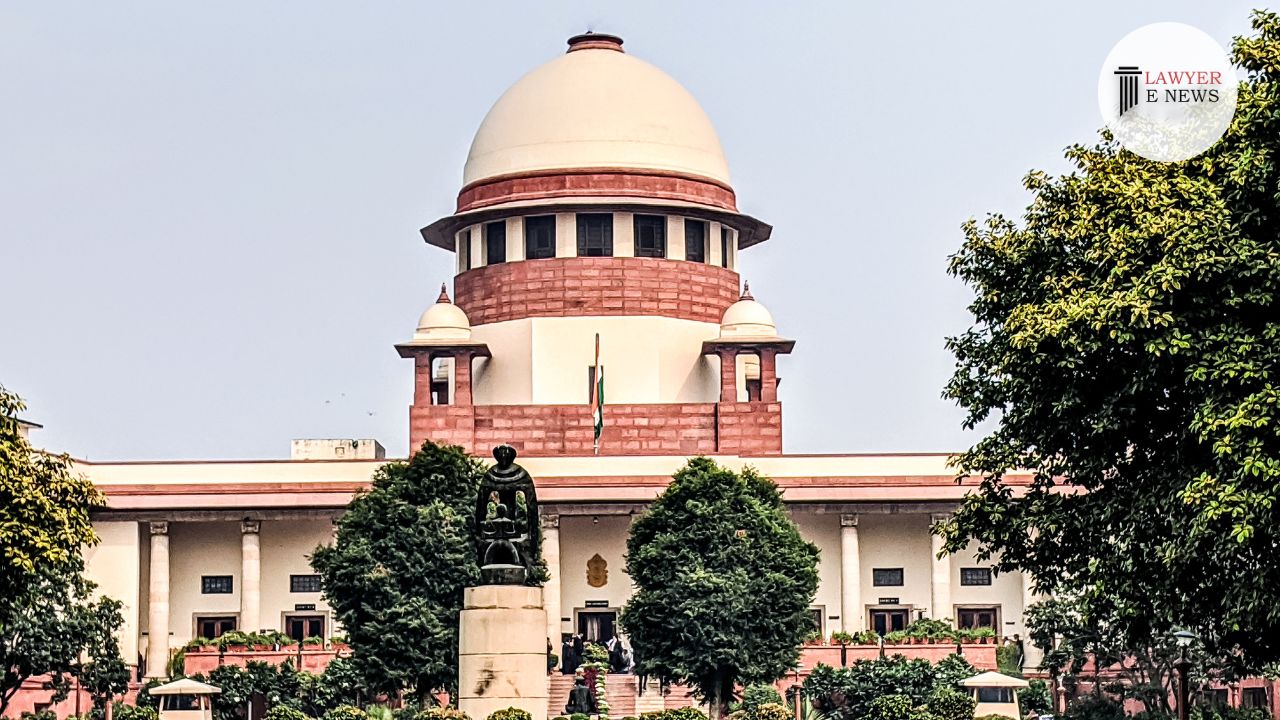
Supreme Court of India has delivered a significant judgment in the case of State of Uttar Pradesh and Anr. vs. Virendra Bahadur Katheria and Ors., resolving a long-standing pay scale dispute affecting education department officials in Uttar Pradesh. The bench, comprising Justices Surya Kant and K.V. Viswanathan, upheld the 2011 Government Order that revised pay scales for Sub-Deputy Inspectors of Schools/Assistant Basic Shiksha Adhikaris (SDI/ABSA) and Deputy Basic Shiksha Adhikaris (DBSA). The Court also restricted recovery of excess payments made under previous orders, thereby providing much-needed relief to retired officials.

The dispute originated from a 2001 Government Order which revised the pay scales of Headmasters in junior high schools but did not adjust the pay scales for SDI/ABSA and DBSA, creating a disparity. This led to multiple rounds of litigation where the officials demanded equal treatment and revised pay scales. The High Court initially ruled in favor of the officials, directing the State to adjust their pay scales. However, the State delayed the implementation, resulting in prolonged litigation and contempt proceedings.

The Supreme Court scrutinized the State’s delay in addressing the pay scale anomaly and noted the government's efforts through the Rizvi Committee’s recommendations, which eventually led to the 2011 Government Order. The Court acknowledged that the State's actions were a bona fide attempt to rectify the disparity, despite the delayed execution.

The bench emphasized the doctrine of merger, asserting that once the Supreme Court grants leave to appeal, any subsequent order replaces the original High Court judgment. The Court clarified that its 2010 order, which approved the State’s proposed pay scale adjustments, superseded the High Court’s 2002 judgment. This principle was crucial in determining the legal standing of the subsequent orders and actions taken by the State.

Justice Surya Kant observed, "The measures taken by the State were in deference to and not in defiance of this Court’s orders. To the extent above, the view taken by the High Court is legally and factually incorrect." This underscores the Supreme Court's approval of the State's 2011 order.

The Supreme Court's judgment brings finality to a protracted legal battle, reaffirming the revised pay scales effective from 01.12.2008, as outlined in the 2011 Government Order. The ruling restricts recovery of any excess payments made to retired officials, thus providing financial stability to those affected. This decision highlights the judiciary's role in ensuring fair administrative practices and the importance of adhering to procedural fairness in government actions.


Date of Decision: 15 July 2024

State of Uttar Pradesh and Anr. vs. Virendra Bahadur Katheria and Ors

Latest Legal News