-
by sayum
27 July 2026 3:39 PM







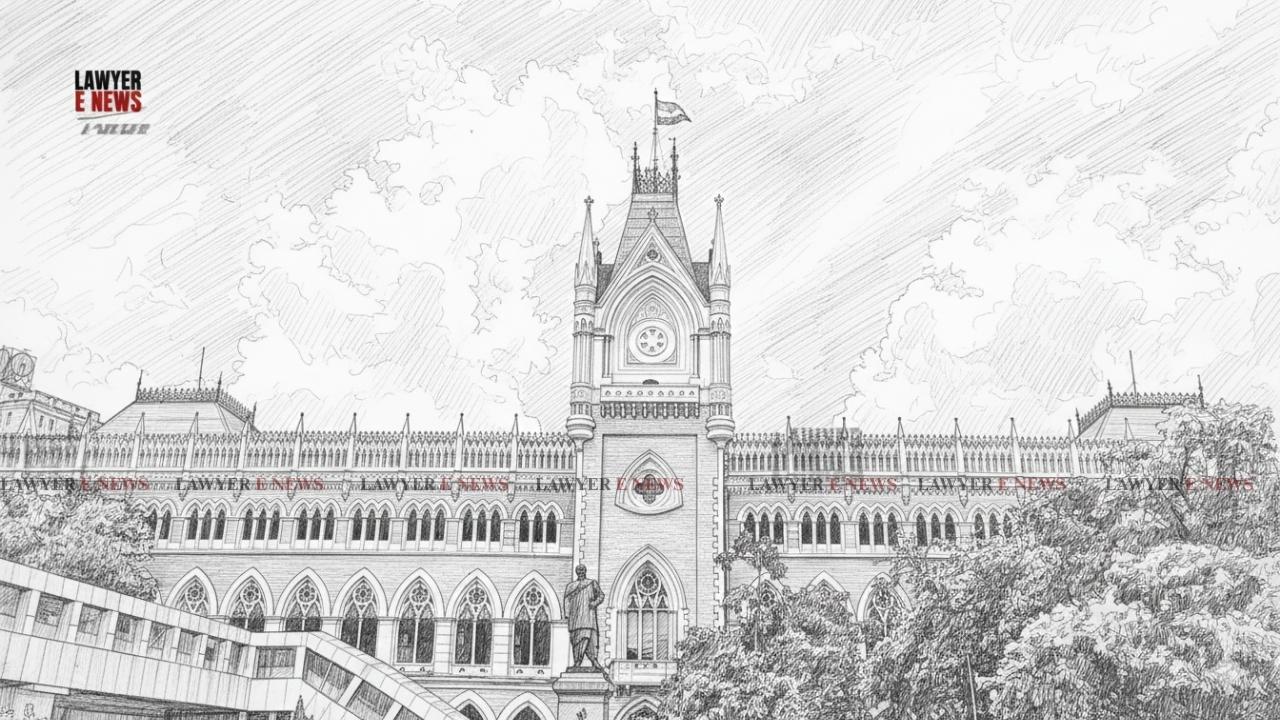
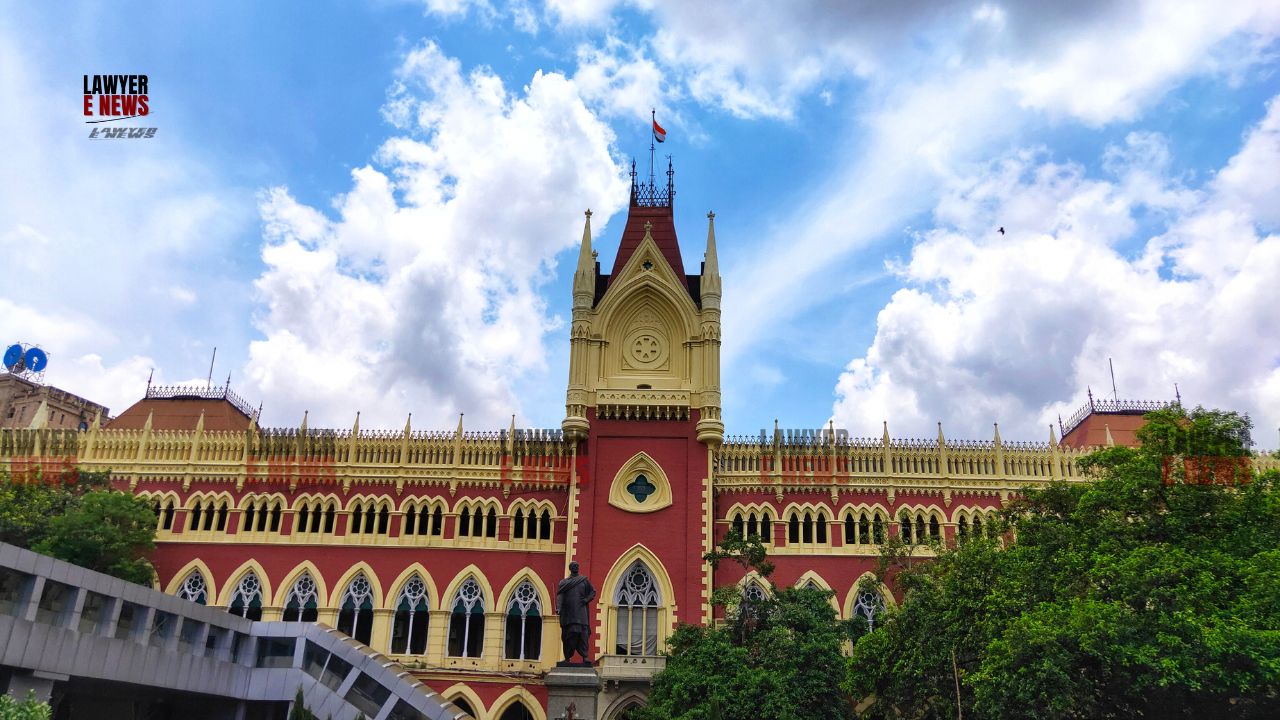
"Prescription of moratorium for limited period of time under the Insolvency and Bankruptcy Code, 2016 therefore re-emphasises the view that pending civil proceedings are not stayed indefinitely nor are they required to be dismissed as barred by law, if such civil proceedings were instituted prior in point of time." High Court at Calcutta, in a significant ruling, held that a civil suit instituted prior to the filing of an insolvency application under the Insolvency and Bankruptcy Code (IBC) cannot be dismissed as barred by law under Order VII Rule 11(d) of the CPC.
A bench of Justice Debangsu Basak and Justice Md. Shabbar Rashidi observed that Section 96 of the IBC only provides for the "stay" of pending legal actions during the interim moratorium period and does not contemplate the outright dismissal of a pre-existing suit.
The appellants, directors of a company, filed a commercial suit in November 2024 seeking a declaration that their personal guarantees in favor of a consortium of banks led by Canara Bank stood discharged. Subsequent to the filing of this suit, Canara Bank initiated insolvency proceedings against the appellants under Section 95 of the IBC in January 2025. In February 2026, the Commercial Court at Rajarhat dismissed the appellants' suit under Order VII Rule 11(d) of the CPC, holding that the suit was barred by the provisions of the IBC.
The primary question before the court was whether the commencement of an interim moratorium under Section 96 of the IBC mandates the dismissal of a civil suit that was pending on the date the insolvency application was filed. The court was also called upon to determine whether the bar of jurisdiction under Section 231 of the IBC applies to suits instituted prior to the invocation of NCLT proceedings.
Distinction Between Stay And Dismissal Under Section 96 IBC
The court meticulously analyzed the language of Section 96 of the IBC, which deals with the interim moratorium triggered by an application under Section 94 or 95. The bench noted that Section 96(1)(b)(i) explicitly states that during the interim moratorium, any legal action or proceeding pending in respect of any debt shall be "deemed to have been stayed."
Court Explains Difference Between Moratorium And Bar On Suit
The bench emphasized that the legislature intentionally used the word "stayed" rather than "dismissed" or "abated." The court observed that since the suit was pending on the date the moratorium commenced, it could not have been dismissed under Section 96. The moratorium is a temporary suspensory mechanism and does not extinguish the right to maintain a suit that was already in existence before the IBC was invoked.
"The suit being pending on the date of commencement of the moratorium, it could not have been dismissed under Section 96 of the Insolvency and Bankruptcy Code, 2016."
Strict Construction Of Section 231 Bar On Jurisdiction
Dealing with the bar of jurisdiction under Section 231 of the IBC, the High Court held that this provision must be strictly construed. The bench noted that the ouster of a Civil Court’s jurisdiction is not to be readily inferred and is typically applicable to proceedings initiated subsequent to the NCLT filing or matters where the Adjudicating Authority is specifically empowered to pass orders.
Scope Of Civil Court Jurisdiction Vis-À-Vis NCLT
The court held that Section 231 seeks to insulate NCLT proceedings from interference but does not prescribe an en masse ouster of jurisdiction for prior-instituted suits. It noted that the bar is attracted only in specific scenarios prescribed elsewhere in the Code, such as Sections 96 and 101, and that too, primarily if the Civil Court proceeding was instituted subsequent to the filing of the NCLT proceeding.
"On a strict construction of Section 231 it prescribes ouster of Civil Courts jurisdiction only in the specific scenarios... and that too, if the Civil Court proceeding was instituted subsequent to the filing of the NCLT proceeding."
Plaint Cannot Be Rejected In Part Under Order VII Rule 11
The bench also addressed the procedural aspect of Order VII Rule 11, reiterating the settled law that a plaint cannot be rejected in part. In this case, not all 12 defendant banks had approached the NCLT. The court found that the suit was certainly maintainable against the defendants who had not invoked the IBC, and therefore, the entire plaint could not have been thrown out.
Drastic Nature Of Power Under Order VII Rule 11
The court reminded the trial judge that the power to reject a plaint is a drastic one that terminates a civil action at the threshold. Such power must be exercised only when the suit is "manifestly vexatious" or clearly barred by law based on the statements in the plaint. In the present facts, the suit was filed in November 2024, whereas the IBC applications were only filed in January 2025, meaning there was no bar at the time of presentation.
Outcome Of The Appeal
Concluding that the trial court's approach was legally flawed, the High Court set aside the order of dismissal dated February 19, 2026. The bench remanded the matter back to the Commercial Court for disposal on merits, clarifying that the appellants were entitled to seek reliefs from the Civil Court as no law prohibited them from doing so prior to the bank's decision to invoke the IBC.
The High Court's ruling clarifies the interplay between the IBC and the CPC, ensuring that the specialized insolvency regime does not result in the summary termination of validly instituted prior civil actions. The judgment reaffirms that while the IBC provides a moratorium to stay proceedings, it does not act as an automatic ground for the rejection of a pre-existing plaint under Order VII Rule 11.
Date of Decision: July 2, 2026