MACT | A Minor Cannot Be Treated as a Non-Earner: Punjab & Haryana High Court Consensual Love Affair Not Cheating Under IPC Section 417: Madras High Court Acquits Man Despite Paternity Confirmation Review Jurisdiction is an Ant-Hole in a Pigeon-Hol: Madras High Court Dismisses Review Plea Against Order Upholding Arbitral Award on Liquidated Damages Bank Can Freeze Guarantor’s Salary Account to Recover Loan Dues: Kerala High Court Clarifies CPC Exemption Does Not Apply to Banker’s Right Revenue Entry Calling Property ‘Ancestral’ Does Not Create Title: Gujarat High Court Upholds Registered Will in Second Appeal Licensee Cannot Resist Resumption Of Railway Land: Gauhati High Court Upholds Eviction For Amrit Bharat Station Scheme Mere Non-Payment of Business Dues Is Not Cheating: Calcutta High Court Protects Traders from Criminal Prosecution in Purely Civil Dispute Prosecution’s Failure to Prove Age of Prosecutrix Beyond Reasonable Doubt Fatal to POCSO Conviction: Rajasthan High Court No Title, No Right, No Equity: Bombay High Court Demolishes Claim Over Footpath Stall, Imposes ₹5 Lakh Costs for Abuse of Process Section 155(2) Cr.P.C. Does Not Bar Complainant From Seeking Magistrate’s Permission: Allahabad High Court Clarifies Law on Non-Cognizable Investigations Un-Retracted Section 108 Statement Is Binding: Delhi High Court Declines to Reopen ₹3.5 Crore Cigarette Smuggling Valuation Section 34 Is Not an Appeal in Disguise: Delhi High Court Upholds 484-Day Extension in IRCON–Afcons Tunnel Arbitration Section 432(2) Cannot Be Rendered Fatuous: Calcutta High Court Reasserts Balance Between Judicial Opinion and Executive Discretion in Remission Matters Termination of Mandate Is Not Termination of Arbitration: Bombay High Court Revives Reference and Appoints Substitute Arbitrator CBI Can’t Prosecute When Bank Suffers No Loss: Andhra Pradesh High Court Discharges Bhimavaram Hospitals Directors in ₹1.5 Crore SBI Case Section 256 CrPC Cannot Be A Shield For An Accused Who Never Faced Trial: Allahabad High Court Restores 8 Cheque Bounce Complaints

Second Wife Can Claim Family Pension If Bigamy Is Permitted By Deceased's Personal Law -HP HC

07 May 2024 8:19 AM

By: Admin


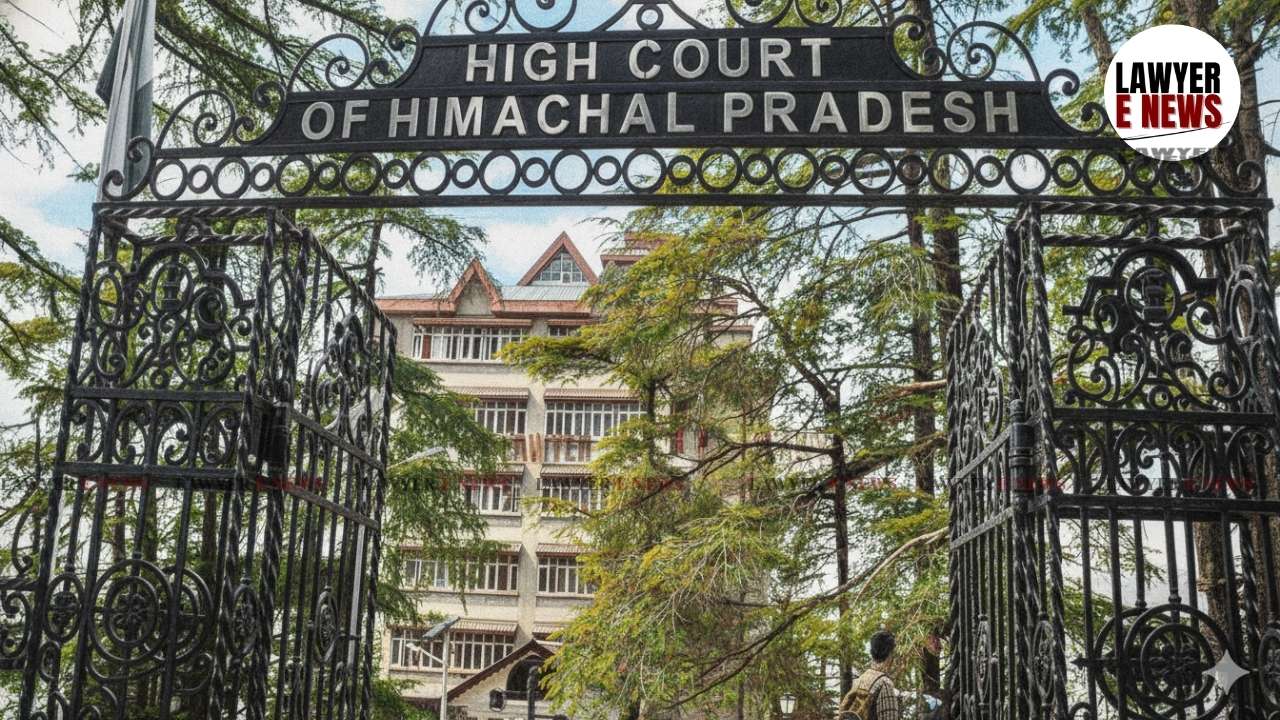
High Court held in recent Judgement The second wife of a deceased employee is not eligible for a family pension under the Central Civil Service Pension Rules unless personal law permits the petitioner to have more than one ongoing marriage.

After the death of the first wife, the petitioner filed a court petition asking for a pension. The petitioner cited CCS Pension Rule 54, which permits more than one wife to receive a pension. She claimed that because she was the deceased's legally recognised spouse and the mother of his children, she is qualified to receive a family pension following the death of the second wife.

The court made the initial observation that the second wife (widow) is only eligible for a family pension in situations where a second marriage is legal under personal law.

In this connection, the court also took into consideration the wife's earlier claim, which was rejected on the grounds that her marriage was illegal because it was consummated while the first marriage was still going strong and such a marriage is prohibited by Hindu Personal Law.

Durga Devi Vs State of HP & Ors

Latest Legal News