-
by sayum
22 October 2026 11:50 AM







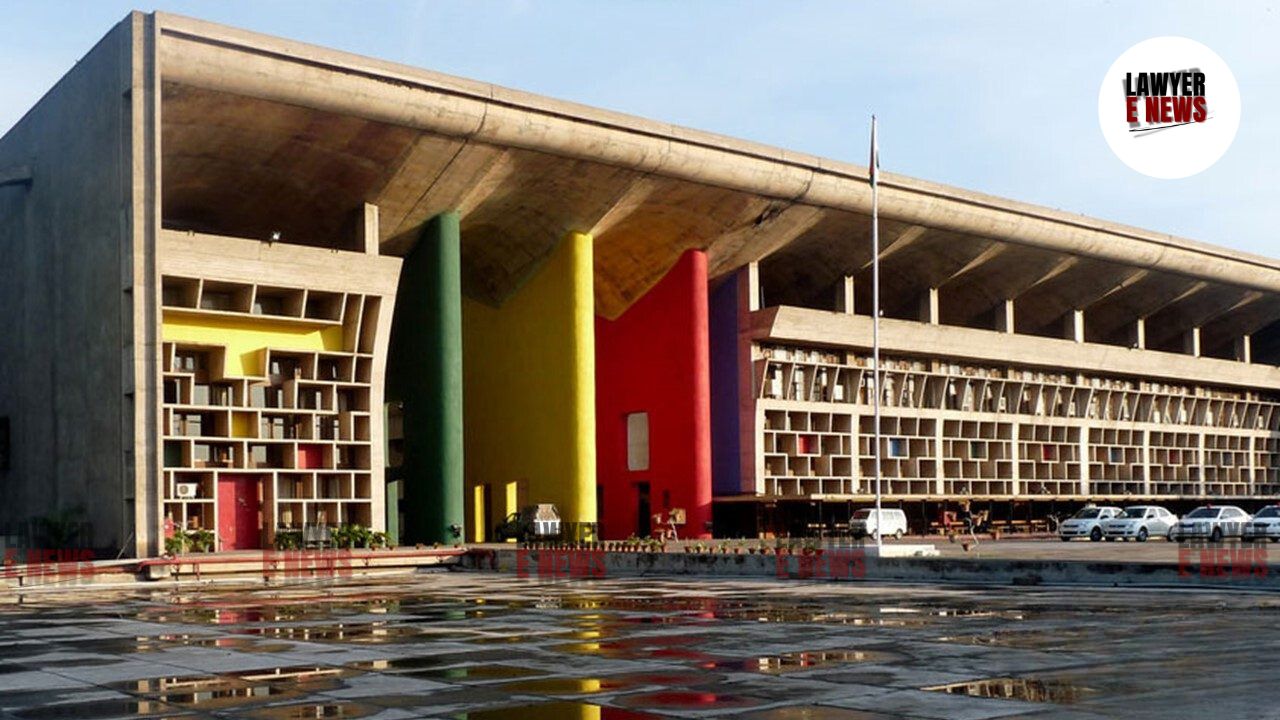
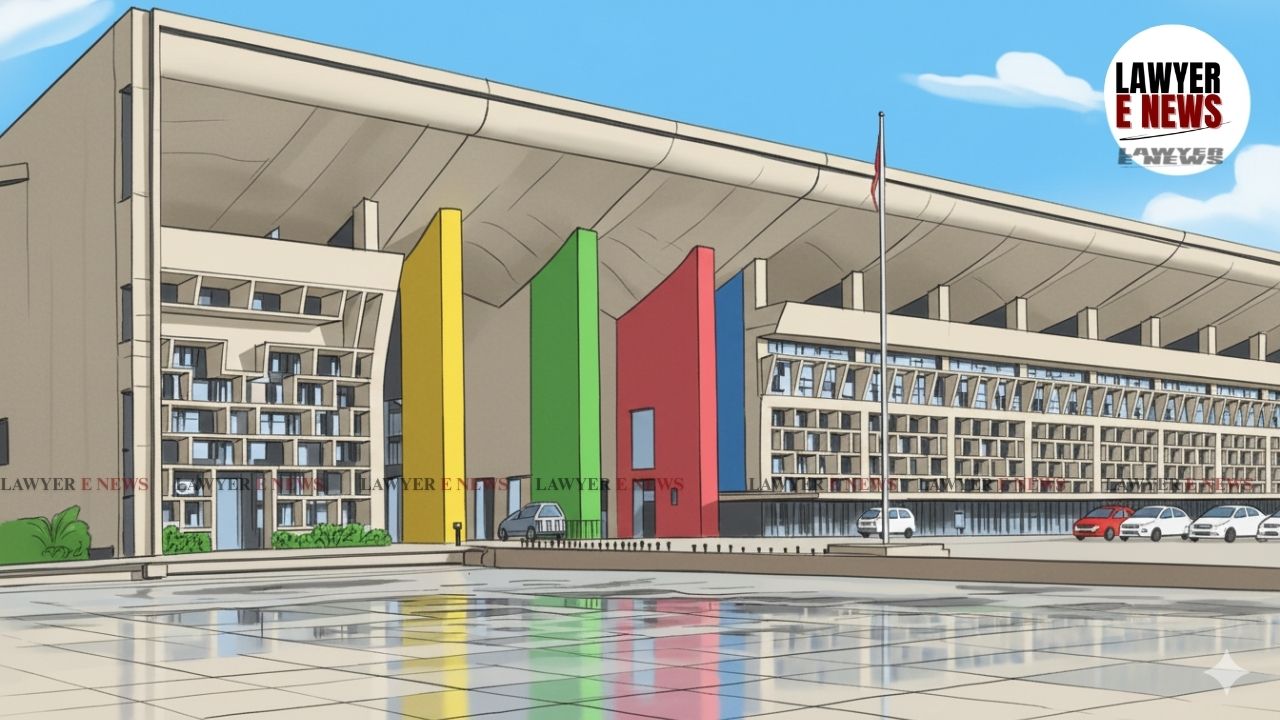
In a significant ruling, the Punjab and Haryana High Court recently delivered a judgment restricting the recovery of electricity dues beyond the statutory limitation period prescribed under the Electricity Act, 2003. The bench comprising of Justice G.S. Sandhawalia and Justice Harpreet Kaur Jeewan emphasized the importance of adhering to the limitation period while dealing with electricity billing disputes.
The court stated, “The limitation period of two years under Section 56(2) restricts the right of the licensee company to disconnect electricity supply due to non-payment of dues after the period of limitation has expired.” It further clarified that while the licensee company can raise a supplementary demand after the limitation period, it cannot resort to coercive measures such as disconnection of electricity supply.
The case in question, LPA No. 2304 of 2017 (O&M), involved a dispute between Bharat Sanchar Nigam Ltd. (BSNL) and Punjab State Power Corporation Ltd. The appellant, BSNL, argued that the demand for payment made by the Corporation went beyond the prescribed limitation period, and thus, was not permissible.
The court highlighted that the demand could only be raised from the date when the checking was done, which in this case was 17th June 2005. Therefore, the Corporation was not entitled to claim payment for the period preceding 7th November 2003, as prescribed under Section 56(2) of the Electricity Act, 2003.
Justice Sandhawalia observed, “The issue being legal and having been settled by the Apex Court, we are of the considered opinion that it merits consideration to the limited extent that the new Act had come into force on 10.06.2003 and there is a limitation prescribed under the said Act, up to 2 years of the same when the first demand became due.”
The judgment cited a previous decision by the Supreme Court in Assistant Engineer (D1), Ajmer Vidyut Vitran Nigam Limited v. Rahamatullah Khan @ Rahamjulla, which emphasized the restriction on disconnection of electricity supply after the expiry of the limitation period. It also referred to the Madhya Pradesh High Court’s ruling in M/s Gwalior Distilleries Ltd., Rairu v. M.P. Madhya Kshetra Vidyut Vitaran Company Ltd., which held that the liability could not be enforced beyond the statutory two-year period.
With this ruling, the High Court has underscored the significance of adhering to the limitation period for the recovery of electricity dues. The judgment ensures that consumers are protected from arbitrary disconnection and provides them with legal remedies for the resolution of billing disputes.
Date of Decision: 22nd February 2023
Bharat Sanchar Nigam Ltd. vs Punjab State Power Corporation Ltd. and ors.
[gview file="https://lawyer-e-news.com/wp-content/uploads/2023/07/BSNL-VS-PSPCL-02-FEB-23-PH-HC.pdf"]