-
by sayum
22 October 2026 11:50 AM







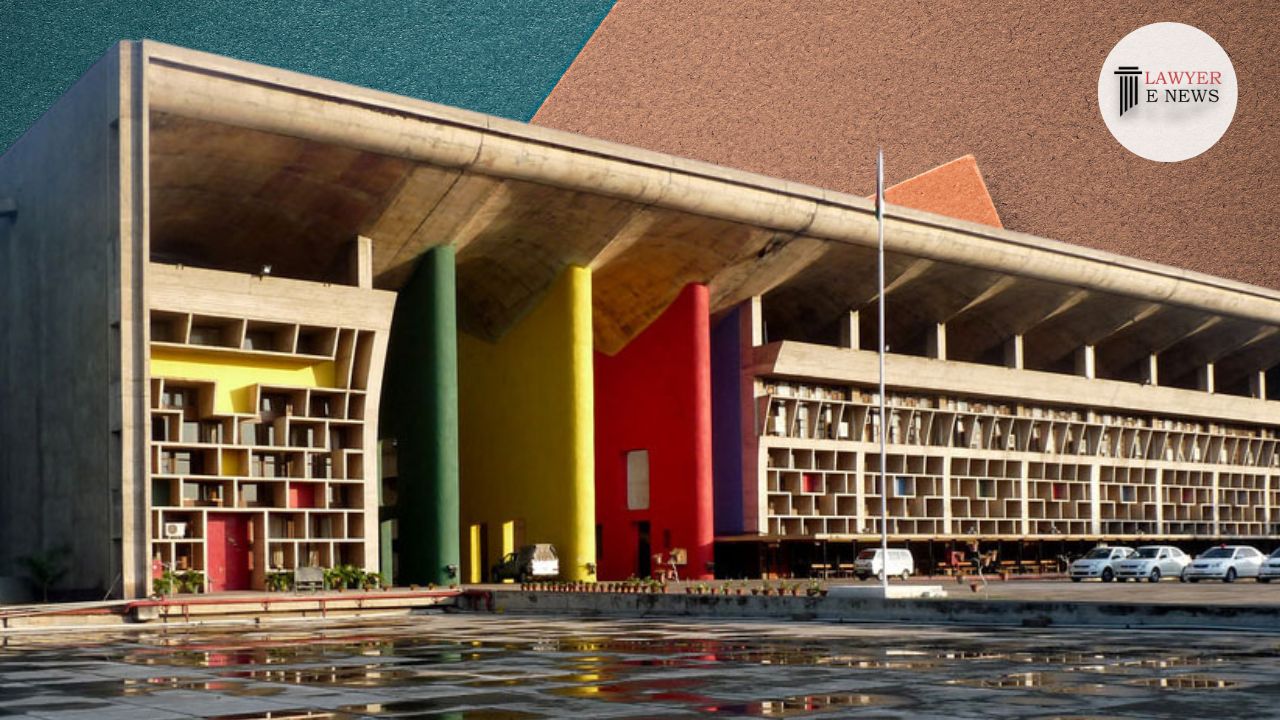
In a significant judgment, the Punjab and Haryana High Court recently granted exemption from personal appearance to the accused in a criminal case while emphasizing the importance of safeguarding the accused's rights and convenience. The decision was rendered by Hon'ble Justice Harpreet Singh Brar on 22nd May 2023.
The judgment highlighted that personal appearance of the accused should be dispensed with when it causes hardship or inconvenience, especially in cases where trial delays have resulted in unjustified suffering. Justice Brar stated, "The failure of the prosecution to produce its witnesses and conclude the trial in almost five years has put the petitioners through unjustified suffering and inconvenience."
The court established parameters for granting exemption, such as being a woman, elderly, disabled, facing economic or physical hardship, or required to travel long distances. These instances were considered illustrative, with the court emphasizing that each case should be assessed based on its unique circumstances. Justice Brar further remarked, "The trial Court should be generous in exempting the accused from appearing in person... If no useful purpose would be served in insisting upon the personal appearance... the personal appearance of the accused shall not be insisted upon."
The judgment cited relevant provisions of the Criminal Procedure Code, including Sections 205 and 317, which empower the court to dispense with personal appearance and proceed with trial in the absence of the accused. The court clarified that exemption from personal appearance does not affect the presumption of innocence, stating, "Every accused is presumed to be innocent until proven guilty... The presumption of innocence is a facet of Article 21 of the Constitution of India."
While the court declined the petitioners' request to quash the FIR and charges, it exempted their personal appearance before the trial court, subject to certain conditions. The court held that the trial court should exercise its powers under Sections 205 and 317 generously and liberally, considering the progress of the trial and the inconvenience caused to the accused.
This judgment reiterates the importance of balancing the interests of justice with the rights and convenience of the accused. By granting exemption from personal appearance, the court aims to expedite trial proceedings and reduce unnecessary hardships faced by the accused.
Date of Decision: 22nd May 2023
Suresh Kumar and another vs The State of Haryana and another